

New Delhi: India’s retail inflation, measured by the Consumer Price Index (CPI), rose to 3.93% in May compared to 3.48% in April, according to data released by the Ministry of Statistics and Program Implementation (MoSPI). The increase reflects continued pressure from rising food and energy costs.
Food Prices Push Inflation Up
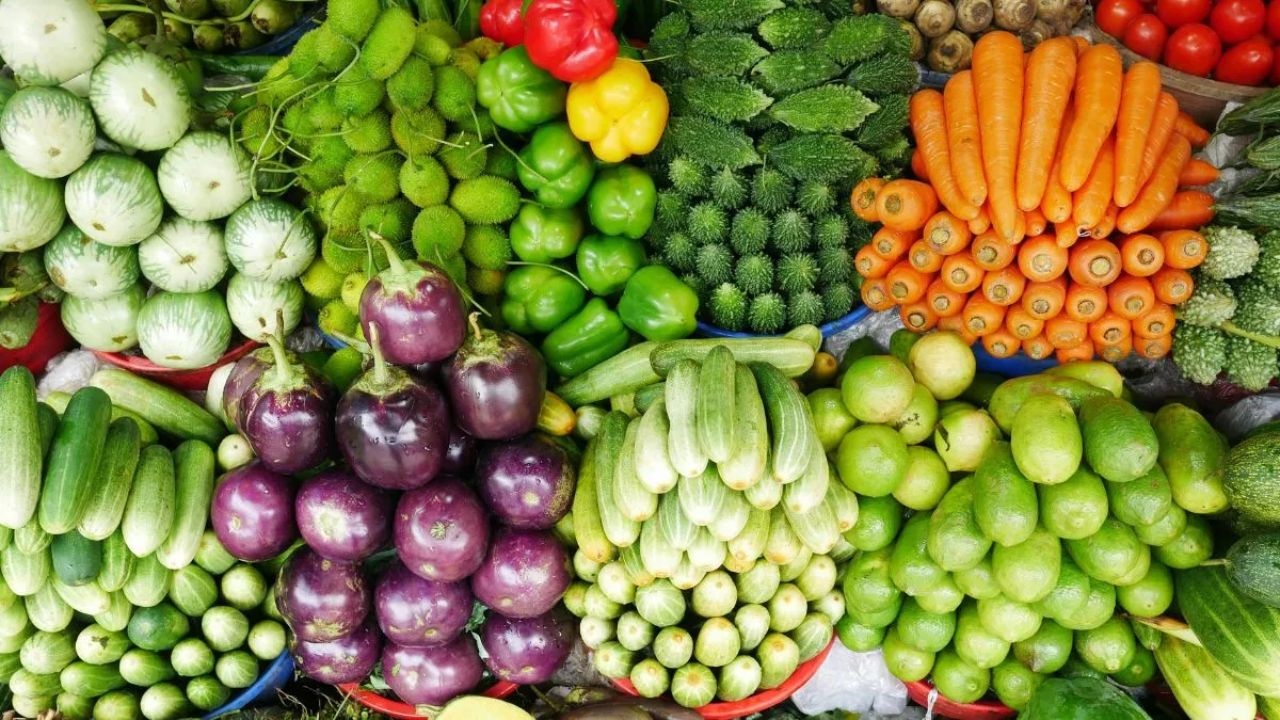
Food inflation climbed to 4.78% in May, up from 4.20% in the previous month. The rise was largely driven by higher prices of essential commodities such as tomatoes, ginger, and dry fruits like raisins.
Officials attribute the surge to seasonal supply shortages and higher production and transportation costs. Rising prices of edible items have remained a key driver of overall inflation in recent months.
Energy Costs Add Pressure
Global crude oil prices have also contributed to inflationary pressure. Ongoing geopolitical tensions in West Asia have pushed up fuel costs, increasing transportation expenses and indirectly affecting prices of essential goods.
Experts note that this imported inflation is impacting both food and non-food categories, including housing utilities and logistics-dependent commodities.
RBI Maintains Stable Policy Stance
Despite the rise, inflation remains within the Reserve Bank of India’s comfort range. The RBI has kept its policy repo rate unchanged at 5.25%, maintaining a cautious “wait-and-watch” approach.
The central bank is closely monitoring global oil trends, monsoon progress, and domestic price movements before considering any policy changes.
Outlook And Risks Ahead
Economists warn that inflation could edge higher if crude oil prices remain elevated or if the monsoon underperforms in the coming months. Such conditions may push inflation closer to the upper tolerance band of the RBI.
However, the current rise is also partly attributed to a low base effect from last year, when prices were comparatively subdued.
Impact on Households
Rising food and energy prices continue to strain household budgets, especially for middle- and lower-income families. While borrowing costs are expected to remain stable in the near term, consumers may continue to feel pressure from elevated retail prices.

Comments are closed.