
Periods During Summer? These Common Vaginal Rashes, Itching and Infections Could Be the Reason Behind Your Discomfort

Summer can make periods even more uncomfortable than usual. Along with cramps, bloating, mood swings and fatigue, hot weather, humidity and excessive sweating can increase the risk of irritation, rashes and infections around the vaginal area. Many women experience itching, burning sensations and skin discomfort during menstruation, especially during the warmer months.
Health experts explain that the vulva becomes more sensitive during periods because of hormonal fluctuations. When this natural sensitivity combines with sweat, moisture and prolonged use of sanitary products, it can create the perfect environment for skin irritation and infections to develop.
One of the most common reasons behind summer-related vaginal discomfort is excess moisture. Continuous sweating and dampness can cause skin irritation and even peeling in some cases. Wearing sanitary pads for long periods can further increase friction and trap moisture, making the area more vulnerable to irritation and yeast infections.
Tight clothing is another contributing factor. Wearing tight jeans, synthetic underwear or body-shaping garments for extended periods can reduce airflow and increase heat and moisture buildup. This creates an environment where rashes and infections are more likely to occur.
Certain menstrual products may also play a role. Scented sanitary pads or products made with harsh chemicals can irritate sensitive skin and disturb the natural balance of vaginal bacteria, increasing the risk of discomfort and infections.
There are several warning signs that should not be ignored. A burning sensation around the vaginal area is often one of the earliest indicators of irritation. Persistent itching, unusual discomfort or small bumps on the skin may also suggest an underlying issue. In some cases, an unusual or foul-smelling discharge can indicate an infection that requires medical attention.
Fortunately, a few simple precautions can help reduce the risk of these problems. Changing underwear regularly and keeping the area dry is essential, especially if clothes become damp from sweat. During periods, sanitary pads should ideally be changed every four to six hours, regardless of whether they are completely soaked.
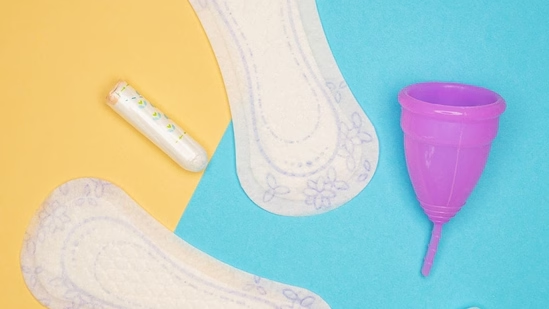
Choosing breathable cotton underwear and loose-fitting clothing can improve ventilation and reduce moisture buildup. Cotton-based, unscented sanitary pads are often considered a better option for sensitive skin. Some women may also choose menstrual cups or tampons if they are comfortable using them and have received proper guidance on their use.
Maintaining good hygiene is equally important. Washing the area gently with plain water and carefully patting it dry can help prevent irritation. Harsh soaps, scented products and vigorous rubbing should be avoided, as they may worsen sensitivity.
If a rash, severe itching, persistent discomfort or signs of infection develop, medical experts recommend consulting a gynaecologist for proper evaluation and treatment.
Note: This article is intended for informational purposes only and should not be considered a substitute for professional medical advice. Always consult a qualified healthcare provider regarding any medical concerns or symptoms.

Comments are closed.