
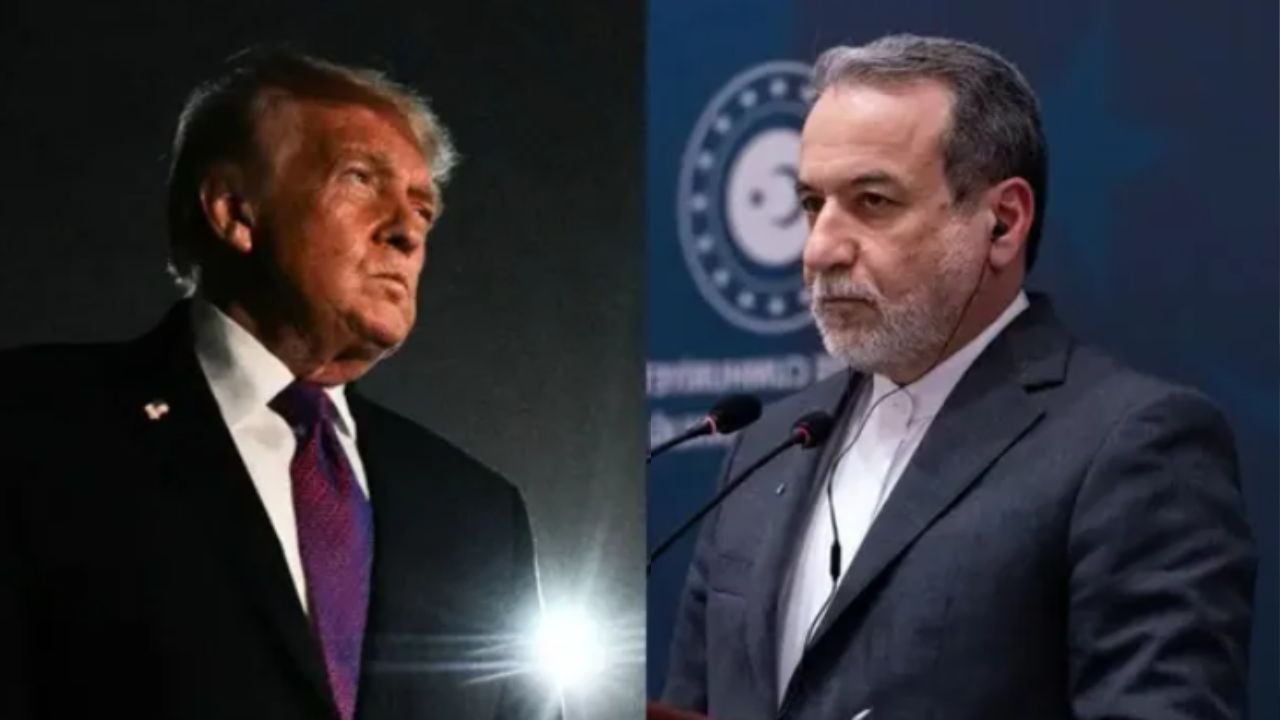

New Delhi: Fresh questions have emerged over the US-Iran agreement aimed at ending the ongoing conflict, after Iran’s Foreign Minister Abbas Araghchi stated that Israel must withdraw from southern Lebanon for the war to be considered fully over.
Speaking to diplomats from several countries in remarks broadcast on Iranian state television on Tuesday, Araghchi said Israel’s continued military presence in areas of southern Lebanon occupied during the conflict would violate the Memorandum of Understanding (MoU) reached between Washington and Tehran.
Lebanon Withdrawal Key to Lasting Peace
“The end of the war in Lebanon is an essential component of ending the conflict as a whole,” Araghchi said. “The war cannot be considered completely over until Israeli forces withdraw from the territories they occupied during this conflict.”
He further warned that any future Israeli military action in Lebanon would be regarded by Iran as a breach of the agreement.
However, the United States has not publicly clarified whether Lebanon was included in the final terms of the deal. Araghchi’s interpretation appears to differ from statements made by Israeli leaders regarding the agreement, which seeks to end a conflict that began with joint US-Israeli airstrikes on February 28.
Israel Signals Continued Military Presence
Israel is not a formal party to the US-Iran agreement. On Monday, Prime Minister Benjamin Netanyahu described the deal as a decision taken by US President Donald Trump, emphasizing that Israel would continue to pursue its own security interests.
Netanyahu also indicated that Israeli forces would remain in a security buffer zone in Lebanon for as long as necessary, raising doubts about whether Tehran’s demands can be met.
Key Questions Remain Ahead of Geneva Signing
The differing interpretations have fueled uncertainty over the agreement’s implementation.
Analysts note similarities to previous negotiations, including a temporary ceasefire reached in April, which failed to produce a lasting peace settlement or reopen the Strait of Hormuz after Washington and Tehran presented conflicting accounts of the deal.
The latest disagreement highlights unresolved issues that could complicate efforts to secure a durable end to the conflict ahead of the formal signing ceremony scheduled for Friday in Geneva.

Comments are closed.