
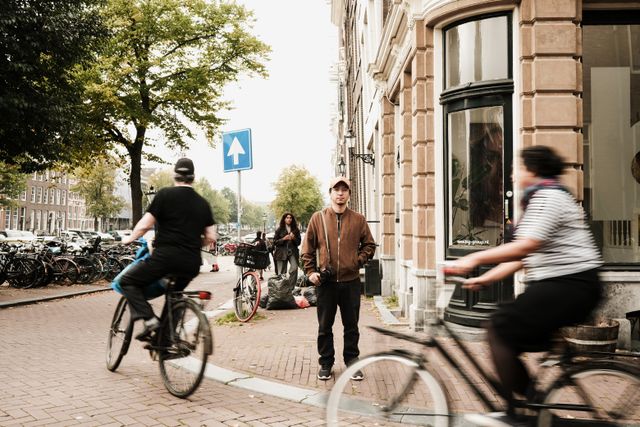


North Carolina’s growing communities, expanding transportation networks, and increasing emphasis on multimodal travel have brought greater attention to roadway safety for everyone who shares the road. From busy urban corridors to smaller city streets, cyclists rely on well-designed infrastructure to travel safely alongside motor vehicles. When a bicycle accident occurs, however, the focus often extends beyond the actions of the people involved. Investigators may examine whether the roadway itself contributed to the crash, including how bike lanes were planned, marked, and maintained. The design of these spaces can influence visibility, traffic flow, driver expectations, and cyclist decision-making in ways that are not always obvious at first glance.
For injured riders, understanding these factors can be critical when determining responsibility and pursuing compensation. A thorough investigation often requires looking beyond the collision itself to evaluate the environment in which it occurred. In many cases, a CR Legal Team bicycle accident lawyer in North Carolina can help uncover how roadway design may have influenced the events leading to the injury.
Lane Width
Lane width affects the room available between a cyclist and moving traffic. A tight corridor may place riders near curbs, drains, parked doors, or passing vehicles. Measurements often matter more than impressions. Investigators compare actual space with plans, markings, and vehicle clearance. Those numbers can indicate whether a driver maintained an adequate distance during a pass.
Buffer Zones
Painted buffers give cyclists visual separation from traffic, parking spaces, and turning vehicles. If striping is faded, blocked, or absent, roadway guidance may be unclear. Debris location, tire marks, and final positions can show whether a rider moved away from danger. These facts often help explain lane position before impact.
Intersections
Intersections often create the highest risk for cyclists. Driveways, side streets, turning lanes, and signal phases can compress decisions into seconds. Investigators examine stop bars, turn arrows, crosswalks, and merge markings. A bike lane that disappears near a conflict point can confuse both road users. That confusion may affect yield analysis.
Visibility
Sight distance can be reduced by parked cars, signs, trees, hills, curves, glare, or rain. A scene review may need to occur at the same time as the crash. Shadows and headlight angles change quickly. A daytime photograph may miss conditions present during early-morning or nighttime travel.
Surface Hazards
Bike lanes collect hazards that larger vehicles may never feel. Potholes, gravel, uneven pavement, storm grates, glass, and metal plates can force abrupt steering. Investigators may photograph defects, measure depth, and review repair records. Maintenance timing can show whether a dangerous condition had existed long enough for a responsible party to notice.
Signs And Markings
Clear markings help drivers predict cyclist movement. Fresh paint, arrows, warning signs, and lane symbols reduce uncertainty. When markings are faded or misplaced, fault questions become harder. Investigators compare posted guidance with actual road behavior. A hidden sign or late warning may affect what a driver understood. A cyclist may also rely on official-looking markings.
Parking Conflicts
Bike lanes beside parked cars raise dooring and clearance concerns. Investigators may review curb rules, parking layout, mirror position, and the distance between vehicles and travel lanes. Door damage can reveal timing and angle. Witness accounts may show whether there was room to avoid contact. Poor parking design can make fault analysis more precise.
Video Evidence
Video often captures details that reports miss. Nearby businesses, buses, homes, or traffic cameras may record speed, signals, lane use, and driver movement. Footage can show a blocked bike lane or a close pass before impact. Many systems erase recordings within days. Prompt requests can preserve evidence while it still exists.
Contributory Fault
North Carolina applies a strict contributory fault rule. If an injured cyclist is found partly responsible, recovery may be barred. That makes roadway evidence especially important. Lane placement, surface condition, visibility, and warning signs can explain why a cyclist reacted as they did. Clear facts reduce speculation during fault review.
Expert Analysis
Crash reconstruction specialists may map paths, calculate speed, and test sight lines. Engineers can compare the lane layout with accepted safety guidance. Medical records may connect injury patterns with impact direction and body position. Together, these opinions can turn scattered evidence into a reliable sequence. Strong analysis depends on accurate measurements, preserved photos, and physical proof.
Conclusion
Bike lane design can influence nearly every part of a bicycle accident investigation. Width, buffers, markings, intersections, surface quality, and visibility all help explain how a crash happened. In serious injury claims, those details may affect fault, damages, and settlement value. Careful review provides investigators with a clearer view of roadway conditions, human decisions, and safety features that either reduced risk or failed at critical moments.

Comments are closed.