
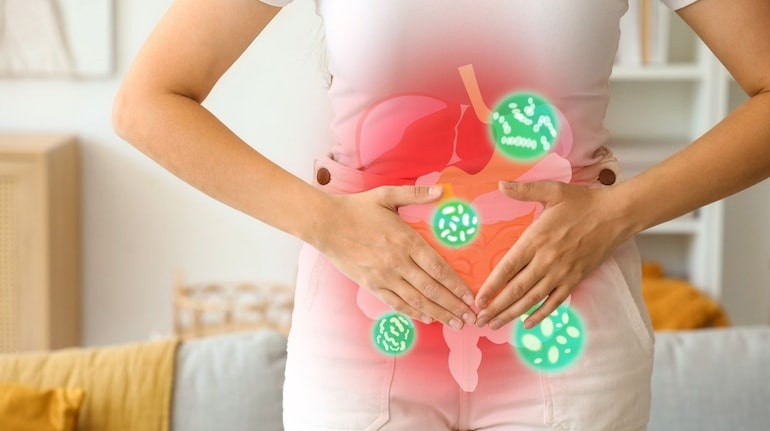
Gut Health Warning Signs: These 10 big signs indicate poor digestive system and intestinal weakness; never ignore

Our stomach (Digestive System) is not just a means of digesting food, but it is considered to be the most important center of health of our entire body. In medical science, the stomach is also called the ‘second brain’, because it plays a very important role in keeping our immunity strong, maintaining energy throughout the day and balancing the mental state.
When the balance of good bacteria (probiotics) and bad bacteria present in our intestines gets disturbed, its direct effect gradually starts appearing on different parts of the body. These changes may seem very normal in the beginning, but ignoring them for a long time can lead to some major disease in the future. Let us know about those 10 main signals given by the body, which are bad. Gut Health Point towards.
10 main symptoms of poor gut health (intestinal weakness)
If you notice many of the following changes in your body, then understand that your digestive system needs immediate attention and care:
1. Frequent bloating and gas formation
If you feel flatulence, excessive gas formation or heaviness in the stomach after eating food, not occasionally but daily, then this is a clear sign of imbalance of the ‘gut microbiome’. This indicates that the bacteria present in the intestines are not able to ferment or break down the food properly.
2. Chronic Constipation or Diarrhea
Persistent deterioration in digestion—such as constipation for weeks, inability to empty your stomach in the morning, or frequent diarrhea (loose motions)—indicates bowel disease. This condition may further develop into irritable bowel syndrome (IBS).ibs) can turn into a serious problem.
3. Suddenly becoming allergic to some foods (Food Intolerance)
If things that you used to digest very easily earlier suddenly start causing stomach cramps or problems (such as lactose intolerance from drinking milk or gluten allergy from wheat), then it is a sign that there is a severe deficiency of essential digestive bacteria in your stomach.
4. Constant fatigue and weakness without any reason (Unexplained Fatigue)
Even after getting adequate 7-8 hours of sleep at night, if you feel tired, lethargic and weak as soon as you wake up in the morning, then it is directly related to your gut health. When the stomach is upset, the body is unable to absorb the essential vitamins and nutrients from the food, which leads to a lack of energy in the body.
5. Sudden increase or loss of weight (Unintentional Weight Fluctuations)
If you are not making any changes in your diet or exercise routine, yet your weight is suddenly increasing rapidly or continuously decreasing, it could be a sign of poor digestion and slow metabolism.
6. Excessive desire to eat sweets or junk food (Intense Sugar Cravings)
Do you frequently have strong cravings for sweets, chocolate or unhealthy junk food? Actually, the bad bacteria and yeast present in the stomach survive mainly on sugar. When their balance is disturbed, they send signals to the brain to eat more sweets.
7. Increase in skin problems and acne (Skin Irritations)
Problems like frequent acne on the face, skin rashes, itching or eczema often arise due to stomach upset. in medical science it “Gut-Skin Connection” (Gut-Skin Connection). If the stomach is not cleaned, the toxins of the body try to come out through the skin.
8. Persistent bad breath
If you have persistent bad breath despite good oral hygiene (brushing and rinsing), the cause may not be the gums, but the accumulated dirt in your digestive system and acid reflux (GERD).
9. Poor Sleep and Insomnia
Responsible for deep and restful sleep in our body ‘Serotonin’ About 90% of hormones are made in our intestines only. When gut health is poor, the production of serotonin is affected, which causes problems like insomnia, frequent opening of eyes at night and restlessness.
10. Brain fog, mood swings and falling sick frequently (Brain Fog & Weak Immunity)
Gut-Brain Connection: Difficulty in concentrating on any work (Brain Fog), irritability, unnecessary worry, stress or mood swings are also associated with intestinal inflammation.
Weak Immunity: approximately of our body 70% immunity Depends on the health of the intestines. If you are falling victim to cold, cough or infection again and again as the weather changes, it means that your gut system has become very weak.
4 easy ways to keep intestines strong and healthy
By recognizing these early gut signals, you can restore your gut health by making some simple home and lifestyle changes:
Include probiotics in your diet: To increase the good bacteria in the intestines, consume fresh curd, buttermilk, lassi or fermented foods every morning or lunch.
Eat fiber rich food: Make green leafy vegetables, seasonal fruits, whole grains and salads a part of your diet. This fiber acts as a ‘prebiotic’ in the stomach and eliminates constipation from its roots.
Drink enough water: To remove harmful toxins from the body and intestines, drink at least 3 to 4 liters of lukewarm or clean water throughout the day.
Stay away from flour and sugar: Minimize the consumption of refined sugar, flour, packaged food and excessive fried foods, as they damage the intestinal walls.

Comments are closed.