
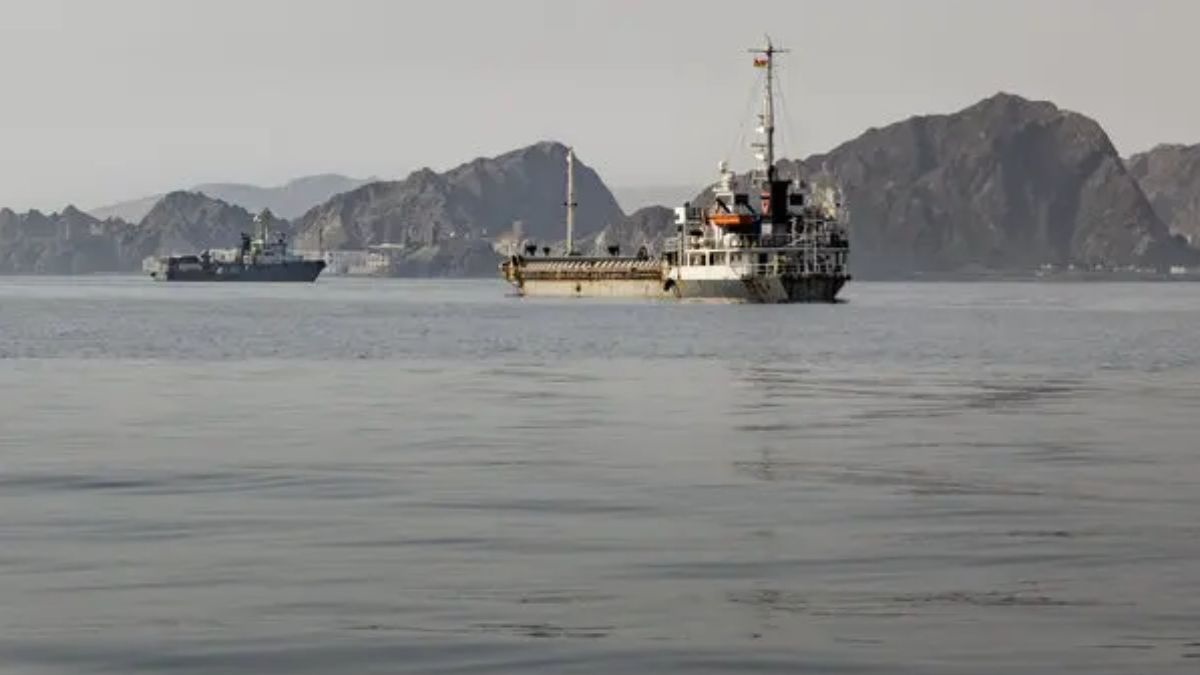

Commercial shipping traffic continues to move through the Strait of Hormuz despite warnings from Iran regarding the strategic waterway, with U.S. military officials stating that vessel movements remain uninterrupted and are being closely monitored.
The Strait of Hormuz, one of the world’s most important maritime chokepoints, remains open to commercial navigation as tankers and cargo vessels continue transiting the route linking the Persian Gulf to global markets.
Tanker traffic remains active
Maritime traffic through the strait has continued despite heightened tensions in the region and concerns about the potential impact on global energy supplies and international trade.
Shipping data and vessel tracking information indicate that commercial vessels, including oil tankers, are continuing to pass through the waterway, which handles a significant portion of global seaborne crude oil exports.
The continued movement of ships suggests that commercial maritime operations remain active despite the security concerns surrounding the region.
U.S. military monitoring developments
A spokesperson for the U.S. Central Command (CENTCOM) said traffic in the Strait of Hormuz continues to flow and that U.S. forces are monitoring the situation to help ensure freedom of navigation and the safe movement of commercial shipping.
According to the spokesperson, military authorities are maintaining close surveillance of developments in and around the waterway as regional tensions remain elevated.
The comments came amid international attention on the security of maritime routes in the Gulf region.
U.S. says Iran does not control the strait
The CENTCOM spokesperson also stated that Iran does not control the Strait of Hormuz, emphasizing the international nature of the waterway.
The strait is bordered by Iran to the north and Oman to the south and serves as a critical route for global trade and energy transportation.
Any disruption to traffic through the corridor is closely watched by governments, energy markets and shipping companies worldwide because of its importance to international commerce.
Strategic significance of Hormuz
The Strait of Hormuz remains one of the most strategically important maritime passages in the world, connecting major oil-producing countries in the Gulf to international markets.
Amid continuing regional tensions, authorities and shipping operators are monitoring conditions closely while commercial traffic continues to transit the route.
As of Saturday, no official closure of the waterway had been reported, and shipping operations were continuing through the strait.

Comments are closed.