
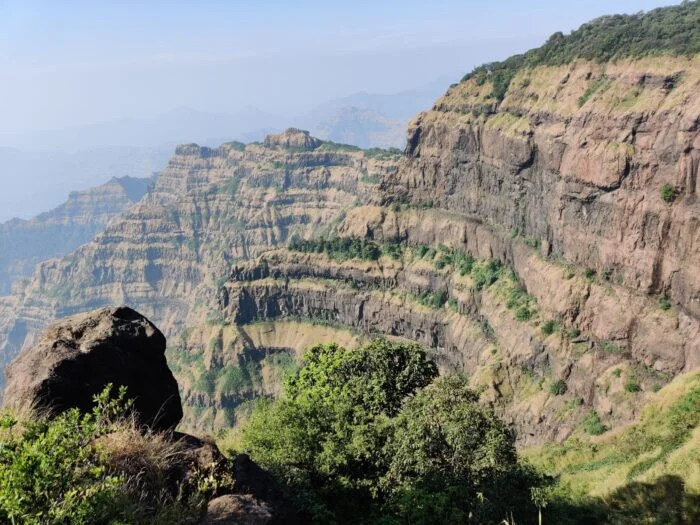

A Journey Through Nature’s Masterpiece
Stretching along India’s western coastline for nearly 1,600 kilometers, the Western Ghats stand as one of the country’s most spectacular natural wonders. Also known as the Sahyadri Mountains, this majestic mountain range traverses the states of Gujarat, Maharashtra, Goa, Karnataka, Kerala, and Tamil Nadu. Recognized as a UNESCO World Heritage Site, the Western Ghats are among the world’s eight “hottest hotspots” of biodiversity, making them a vital ecological treasure and a dream destination for travelers seeking nature, adventure, and cultural experiences.
The Geological Wonder of the Western Ghats
The Western Ghats are believed to have formed nearly 150 million years ago during the breakup of the ancient supercontinent Gondwana. Over millions of years, volcanic activity and tectonic movements shaped the dramatic landscape that exists today.
The mountain range features towering peaks, deep valleys, rolling hills, and dense forests. Notable summits such as Anamudi in Kerala, the highest peak in South India, and Kalsubai in Maharashtra attract trekkers and adventure enthusiasts from across the country. The Ghats also serve as the source of several major rivers, including the Godavari, Krishna, and Kaveri, supporting millions of people through agriculture and water resources.
A Global Biodiversity Hotspot
One of the most remarkable aspects of the Western Ghats is its extraordinary biodiversity. The region is home to more than 7,000 species of flowering plants, over 500 species of birds, hundreds of mammals, reptiles, amphibians, and thousands of insects.
What makes the Western Ghats even more special is the high number of endemic species found nowhere else in the world. Wildlife enthusiasts visiting the region may encounter rare species such as the Lion-tailed Macaque, Nilgiri Tahr, Malabar Giant Squirrel, and the colorful Malabar Grey Hornbill.
The region’s ecosystems range from tropical rainforests and montane forests to shola-grassland habitats, each supporting unique flora and fauna. The famous Neelakurinji flower, which blooms once every twelve years, transforms entire hillsides into breathtaking shades of blue, attracting visitors from around the globe.
The Climate That Sustains Life
The Western Ghats play a critical role in regulating India’s climate and weather patterns. Acting as a natural barrier, the mountain range intercepts the southwest monsoon winds, resulting in heavy rainfall along its western slopes.
During the monsoon season, the Ghats transform into a lush green paradise filled with cascading waterfalls, overflowing rivers, and mist-covered hills. This abundant rainfall sustains the region’s rich biodiversity and replenishes water resources that support agriculture and human settlements.
The pleasant climate throughout much of the year has also contributed to the popularity of the Western Ghats as a tourism destination, especially in hill stations known for their cool temperatures and scenic beauty.
Rich Cultural Heritage Amidst Natural Beauty
Beyond its ecological significance, the Western Ghats are deeply intertwined with India’s cultural and historical heritage. Numerous indigenous communities and tribal groups have lived in harmony with nature in these mountains for centuries.
Traditional tribes such as the Toda, Kurumba, and Kothar communities continue to preserve unique customs, languages, and sustainable lifestyles. Sacred groves, ancient temples, historic forts, and centuries-old villages dot the landscape, reflecting the close relationship between people and nature.
The cultural richness of the Western Ghats enhances the visitor experience, offering insights into traditional farming methods, local crafts, folklore, and regional cuisines that have evolved alongside the natural environment.
Must-Visit Destinations in the Western Ghats
The Western Ghats are home to some of India’s most beloved hill stations and nature destinations.
Munnar, Kerala
Known for its sprawling tea plantations, misty mountains, and scenic viewpoints, Munnar offers a refreshing escape into nature. Visitors can explore Eravikulam National Park, enjoy tea estate tours, and witness breathtaking landscapes throughout the year.
Ooty, Tamil Nadu
Popularly called the “Queen of Hill Stations,” Ooty attracts travelers with its botanical gardens, serene lakes, toy train rides, and pleasant climate. Its colonial charm and natural beauty continue to make it one of South India’s most visited destinations.
Coorg, Karnataka
Often referred to as the “Scotland of India,” Coorg is famous for its coffee plantations, waterfalls, trekking trails, and rich Kodava culture. Adventure seekers can enjoy river rafting, camping, and wildlife exploration.
Mahabaleshwar, Maharashtra
Nestled amidst the Sahyadri hills, Mahabaleshwar is renowned for its strawberry farms, panoramic viewpoints, and lush forests, making it a favorite getaway for travelers seeking tranquility.
Adventure and Eco-Tourism Opportunities
The Western Ghats offer countless opportunities for outdoor enthusiasts and nature lovers. Trekking trails wind through dense forests, grasslands, and mountain peaks, providing unforgettable experiences for beginners and experienced hikers alike.
Popular activities include:
- Trekking and hiking
- Wildlife safaris
- Bird watching
- Nature photography
- River rafting
- Camping
- Waterfall exploration
- Plantation tours
The region’s incredible biodiversity and scenic beauty make it one of India’s premier destinations for eco-tourism.
Conservation Challenges and the Need for Sustainable Tourism
Despite its ecological importance, the Western Ghats face numerous environmental challenges. Deforestation, urban expansion, infrastructure development, and climate change threaten the delicate balance of the region’s ecosystems.
Conservation organizations, government agencies, and local communities are actively working to protect this natural heritage through wildlife conservation programs, reforestation initiatives, and sustainable tourism practices. Responsible travel can play a vital role in preserving the Western Ghats for future generations.
Visitors are encouraged to minimize waste, respect wildlife habitats, support local communities, and choose eco-friendly accommodations and tour operators.
A Taste of the Western Ghats
The fertile landscapes of the Western Ghats have given rise to a rich culinary tradition. The region is famous for producing spices such as cardamom, pepper, cinnamon, and cloves, many of which are exported worldwide.
Coffee and tea plantations dominate many hill stations, while local cuisine showcases fresh ingredients sourced from forests, farms, and plantations. From Kerala’s spice-infused dishes to Coorg’s traditional delicacies and Tamil Nadu’s hill-station cuisine, the Western Ghats offer a delightful culinary journey alongside their natural wonders.
Conclusion: Preserving a Natural Legacy for Future Generations
The Western Ghats are far more than a mountain range—they are a living ecosystem, a biodiversity treasure, and a cultural landscape that has sustained life for centuries. Their lush forests, majestic peaks, unique wildlife, and vibrant communities make them one of India’s most extraordinary destinations.
As tourism continues to grow, protecting this fragile environment becomes increasingly important. Sustainable travel, conservation efforts, and environmental awareness are essential to preserving the Western Ghats for future generations.


Comments are closed.