
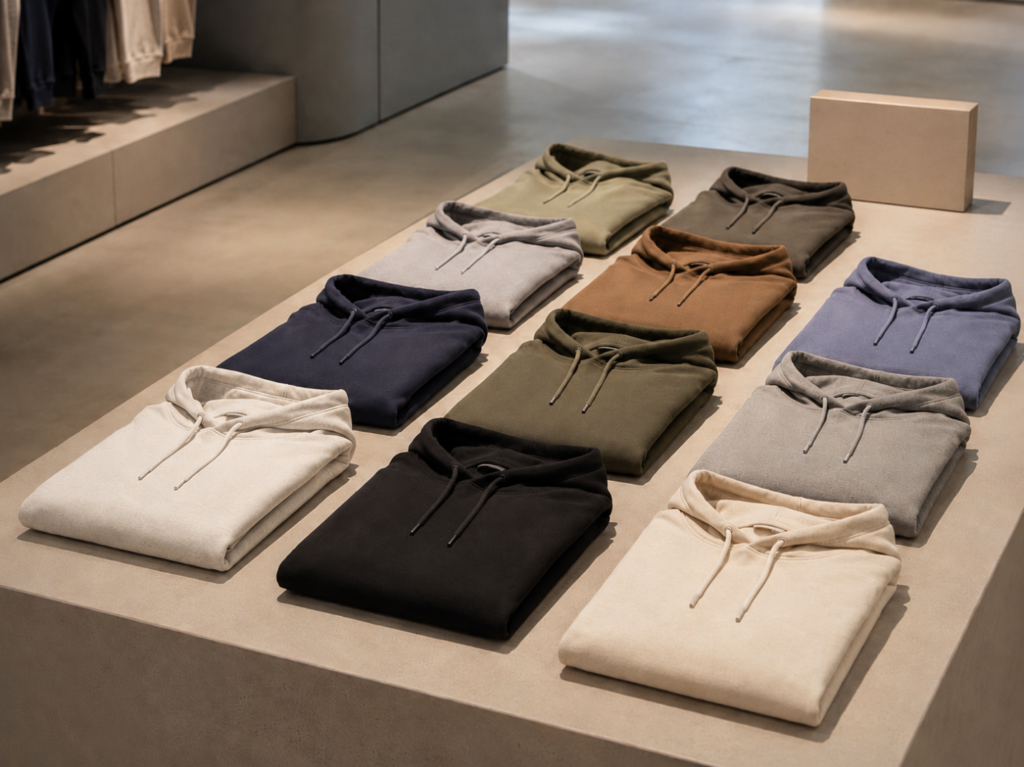


Many comfort-wear start-ups are built around one best-selling item rather than a wide catalog. That focus can make marketing simpler and inventory decisions cleaner, but it also concentrates operational risk. If the hero product that carries the brand becomes hard to source consistently, the problem is no longer just a product issue. It becomes a business continuity issue.
The Comfort-Wear Boom Is Creating a New Kind of Hero Product
Comfort-first apparel is no longer just a lockdown-era habit. Grand View Research projects the global athleisure market to reach USD 892.48 billion by 2033, with a 9.9% CAGR from 2026 to 2033. For a small or first-time apparel brand, that growth has created an obvious playbook: instead of launching twenty SKUs at once, pick one hero product — usually a hoodie, sweatshirt, or jogger — and build the brand around repeat demand for that single item.
This isn’t a new idea borrowed from fashion specifically. It’s the same logic that built Spanx around shapewear and Crocs around one silhouette: fewer products, sharper focus, faster word-of-mouth. Apparel founders have simply applied an old playbook to a new wave of consumer demand.
Why a Hero Product Strategy Works for Early Brands
A hero product strategy solves a real problem for early-stage brands: limited capital and limited attention. Spreading a small budget across ten products usually means none of them gets marketed properly. Concentrating that budget on one hoodie means the brand can actually afford to make it well, photograph it properly, and repeat the same message until it sticks.
There’s a trust argument too. A founder who can explain exactly why their one hoodie is better — the weight, the cut, the way it washes — sounds more credible than one promoting twelve different items at once. Customers don’t have to compare a catalog. They just decide whether this one product is worth it.
What the Usual Advice Leaves Out
Most of what gets written about hero products stops at the marketing layer: pick one item, build a story around it, resist adding new SKUs too early. The risk that usually gets flagged is a demand-side risk — what happens if customers move on, or if a competitor launches something flashier.
What rarely comes up is the production side of that same bet. A brand that puts all its weight behind one hoodie isn’t only exposed to changing tastes. It’s exposed to whatever happens upstream, in the supply chain that makes that hoodie possible in the first place.
The Single Point of Failure Hiding Inside a One-Hoodie Brand
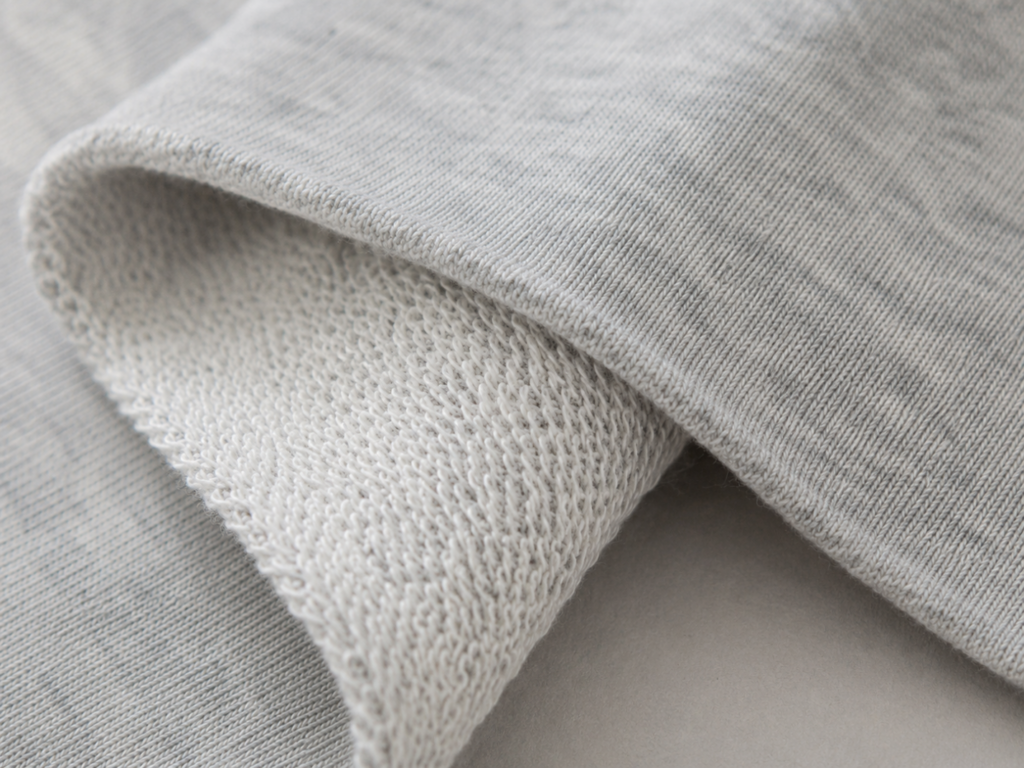
Most comfort-wear hero products — hoodies, crewnecks, joggers — are built from a narrow group of knit materials, often cotton-blend French terry or similar constructions: a smooth face on the outside and a soft looped-back knit fabric on the inside. That structure gives the garment weight without the bulk of heavy fleece, which is why many comfort-wear brands converge on a similar base material for their signature piece.
That convergence is exactly the problem. When a hero product depends on one specific knit from one specific supplier, the brand has effectively handed its single point of failure to a vendor it doesn’t fully control. If that mill raises its minimum order, discontinues the blend, or lets quality drift between batches, the hero product — and the brand identity wrapped around it — takes the hit directly. There’s no second SKU to lean on while the issue gets sorted out.
A Real Bottleneck Founders Don’t See Coming
Founders usually discover this risk the hard way — when a reorder comes back with a different hand-feel than the original sample, or when the only mill willing to produce small batches raises its minimum order past what the brand can absorb. By then, the hero product strategy that was supposed to be their advantage has become their biggest operational liability.
How Resilient Brands Test Before They Scale
The founders who avoid this trap tend to apply the same scrutiny to their hero product’s supply chain that they apply to its design. Before committing to one mill, they typically:
- Order small trial batches from two or three potential suppliers before committing to one.
- Compare consistency — weight, hand-feel, color — across more than one production run, not just the first sample.
- Commit to full volume only once a supplier has proven reliable across repeat orders, not a single trial.
This adds a little time to the launch. It also means that when one source has a bad month, the brand isn’t stuck waiting on a single phone call to keep production moving.
Building Sourcing Resilience Around Your Hero Product
The fix isn’t to abandon the hero product approach. It’s still one of the fastest ways for a new brand to build focus and credibility without a big marketing budget. The fix is to stop treating fabric sourcing as a one-time decision made before launch, and start treating it as an ongoing relationship that needs a backup option.
In practice, that means keeping at least one alternate supplier qualified at all times, even if it costs slightly more per yard than the primary source. A qualified backup should already have matched the target weight, hand-feel, shrinkage tolerance, and color range before the brand needs an emergency reorder. Founders who can order wholesale fabric online in smaller, flexible quantities get to test new sourcing relationships without betting next quarter’s production on an unproven vendor.
A hero product strategy is still one of the smartest ways for a new apparel brand to compete without the budget of a bigger player. The founders who get the most out of it are the ones who treat its supply chain as carefully as they treat its design — because the same focus that makes a hero product powerful is exactly what makes its failure expensive.

Comments are closed.