
Monsoon is 5 days behind, now will El Nino increase problems? Biggest threat to these 12 states, emergency preparations begin!

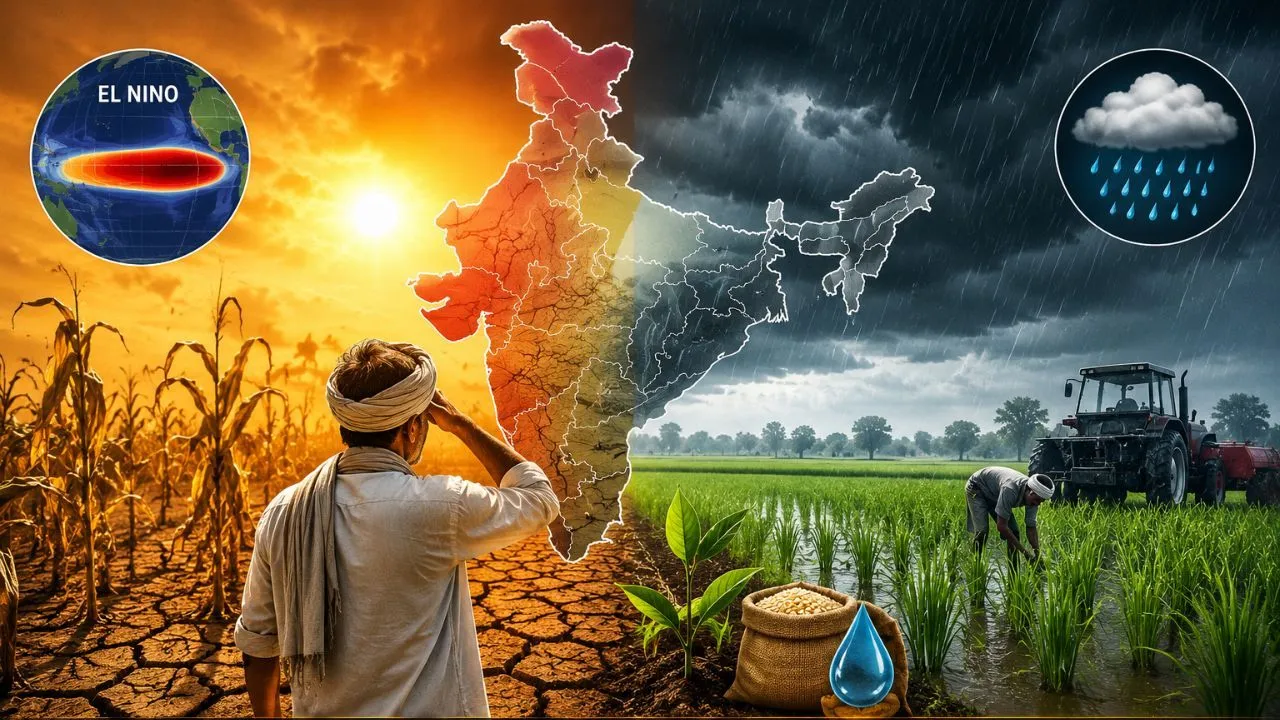
El Nino Impact on Indian Agriculture: Amidst the slow pace of monsoon in the country, a new challenge seems to be emerging before the agriculture sector. Meteorologists are now keeping their eyes on the possible activation of El Nino, which may impact agriculture in many states of the country. In view of this situation, the Central Government and the Agriculture Ministry have intensified precautionary preparations.
Agriculture Secretary Atish Chandra told news agency PTI that the government is waiting for the new weather report of the Indian Meteorological Department (IMD) to come at the end of June. After this report, a more clear picture will emerge regarding the situation of El Nino and its possible impact, on the basis of which further strategy will be decided.
These 12 states are most likely to be affected
The Agriculture Ministry has identified 12 states where rain-fed farming is more prevalent and where the impact of El Nino may be most severe. These include Uttar Pradesh, Bihar, Jharkhand, Madhya Pradesh, Maharashtra, Rajasthan, Gujarat, Odisha, Andhra Pradesh, Telangana, Karnataka and Tamil Nadu.
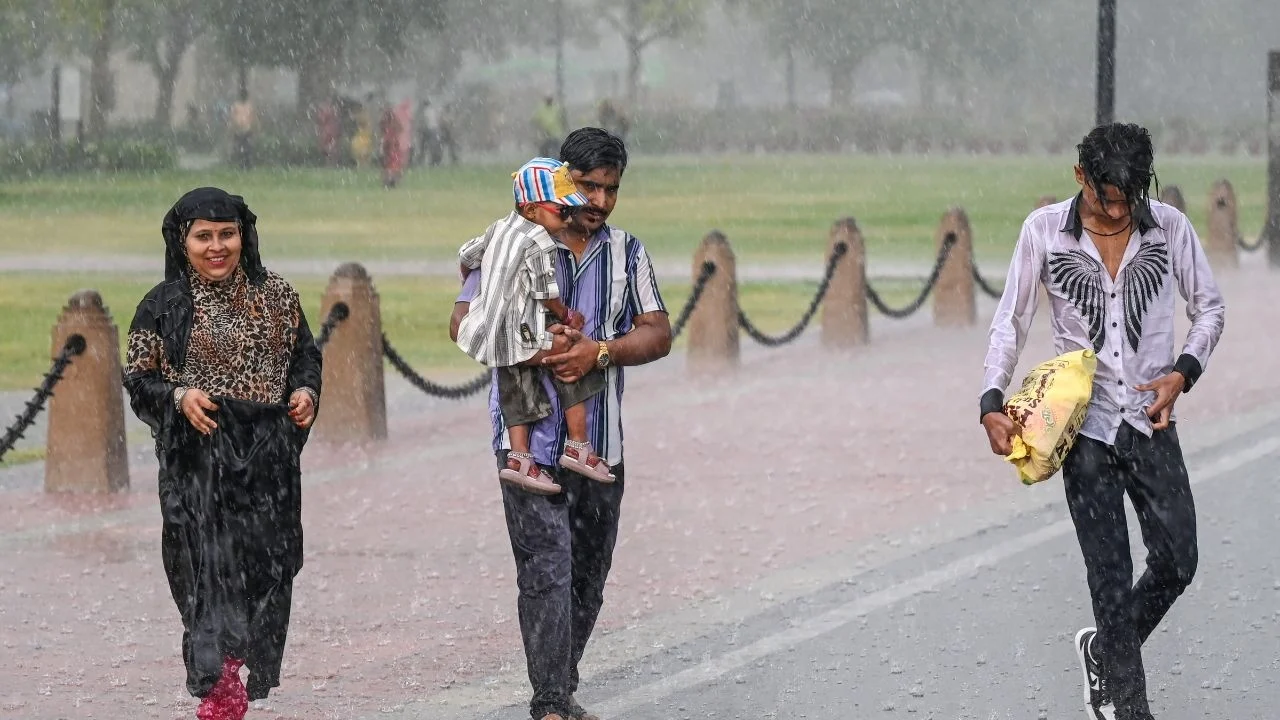
Symbolic picture (Image- IANS)
326 districts were kept in high-risk category
According to the Agriculture Secretary, 326 districts within these states have been identified as high-risk areas. Special district level contingency action plans are being updated for these districts so that crops can be protected from adverse weather conditions.
In this direction, extensive preparations are going on in collaboration with the Indian Council of Agricultural Research (ICAR), Central Research Institute of Dryland Agriculture (CRIDA) and various state agricultural universities. Missions particularly related to rain-fed crops like oilseeds, oil palm, pulses and cotton are being reviewed.
Eyes fixed on IMD’s new report
Atish Chandra said that the final conclusion regarding when and with what intensity El Nino will impact has not yet emerged. The Indian Meteorological Department will issue a new detailed forecast by the end of this month.
By that time, sowing of Kharif crops will be at its peak, making it easier to assess what impact the weather may have on agriculture. According to currently available indications, El Nino is likely to become active around November, but the IMD is analyzing more accurate data before reaching a final conclusion.
Monsoon behind normal
The weather department has estimated the south-west monsoon to be around 90 per cent of the long-term average between June and September, indicating below normal rainfall. At present the monsoon is lagging behind its scheduled pace by about four to five days. According to experts, the active Western Disturbance in North India is hindering the progress of monsoon.
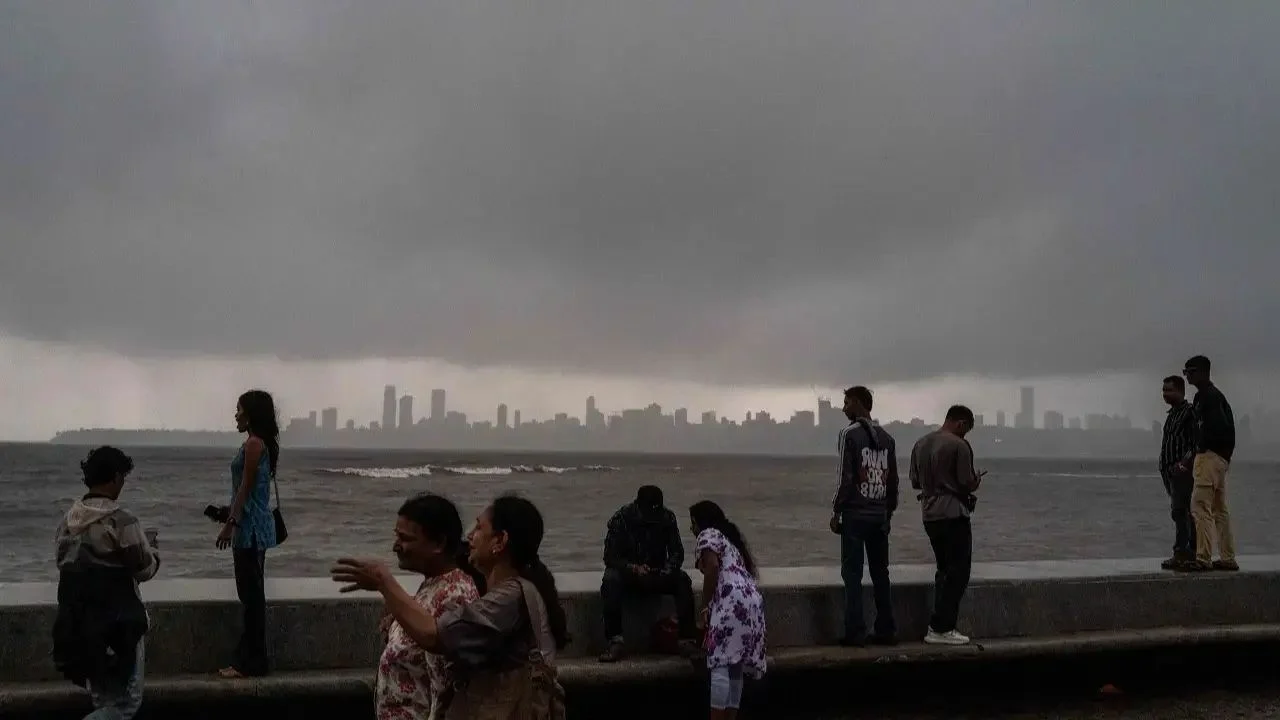
Monsoon Arrival Update (Ms. Social Media)
At the same time, due to the low pressure area developing over West Bengal, the monsoon is advancing in the eastern parts, while its southern branch moving towards Maharashtra is relatively slow. However, except Tamil Nadu, where the main rainfall occurs during the north-east monsoon, most other states have recorded satisfactory rainfall so far after the arrival of the monsoon.
IOD situation is also a matter of concern
Indian Ocean Dipole (IOD) plays an important role in reducing or increasing the effect of El Nino. The IOD, which was positive in May, has become neutral in June, on which the Agriculture Ministry is constantly monitoring.
Generally, positive IOD reduces the negative impact of El Nino to a great extent, whereas in neutral or negative conditions, its impact on monsoon is more visible. However, meteorologists are still hopeful that some changes in ocean conditions may weaken the effect of El Nino.
Government prepared security cover
The Agriculture Secretary has assured the farmers that there is no need to panic at the moment. He said that except for the year 2014-15, El Nino has not had any serious impact on Indian agriculture. Even that year, agricultural production was relatively better.

Symbolic picture (Source- IANS)
He said that the country now has improved varieties of climate-friendly seeds available. Apart from this, the water storage situation in major reservoirs is better than last year. The concern is only about those areas where irrigation facilities are limited, while irrigated areas are considered relatively safe.
To strengthen groundwater conservation and water harvesting, the government has revived 75 thousand ponds under Amrit Sarovar Yojana. Apart from this, more than one lakh groundwater recharge structures have also been revived.
Also read- Monsoon weak in Maharashtra, rainfall 80% less than average in most districts of the state
Adequate availability of fertilizer
According to the Agriculture Ministry, the availability of fertilizers in the country is sufficient and there is no possibility of any shortage. Big farmers have already accumulated stock of fertilizer, while small farmers are purchasing as per requirement. The ministry claims that at present the availability of fertilizers is in a better situation than last year. In such a situation, the government believes that if there is no major adverse weather event, the agriculture sector is ready to face possible challenges.

Comments are closed.