
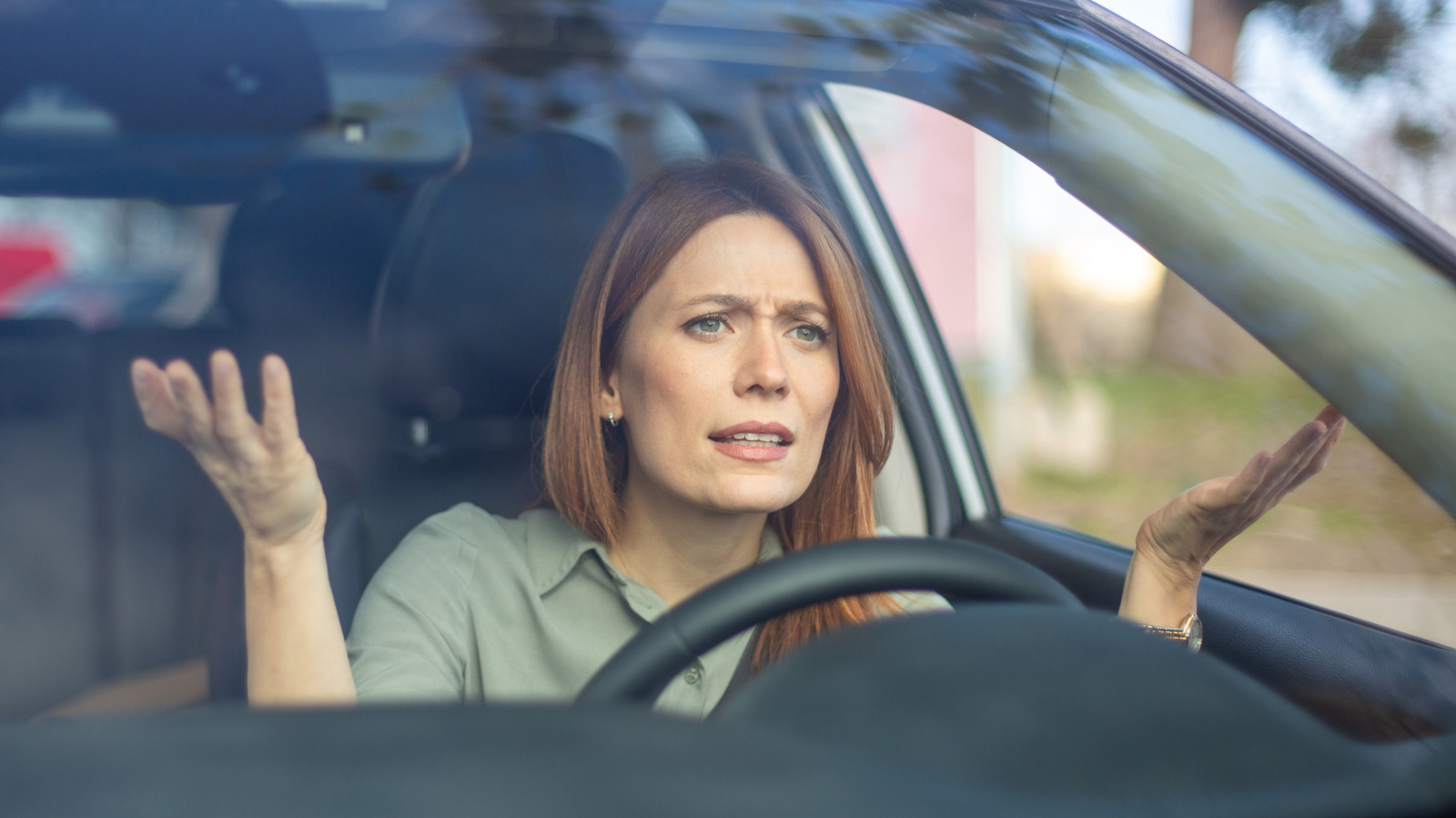

We’ve all experienced the anxiety of pulling onto a road and looking for a speed limit sign, only to find that there are none in sight. Like it or not, few of us have had the thrill of driving on Germany’s Autobahn, where drivers are free from speed limits, at least on some sections.
Every public road in the United States has a speed limit that drivers are required by law to follow. While many speed limits are set by city, county, or state transportation agencies, other limits are determined by what’s called statutory speed limits, which are set by each state’s legislature.
Knowing this should help you understand what to do if you don’t see a speed limit sign. According to the Federal Highway Administration, statutory speed limits are applicable even when no sign is posted. For example, if you’re on a local road in a residential area and your state has set a limit of 25 mph, that is the maximum speed you should drive until you spot a sign advertising a speed limit.
Because every state is different, it’s the driver’s responsibility to know what the expected speed limits are when no limit is posted. Ignorance may be bliss but telling a police officer that you didn’t see a speed limit sign probably won’t help.
Practicing safe speed management
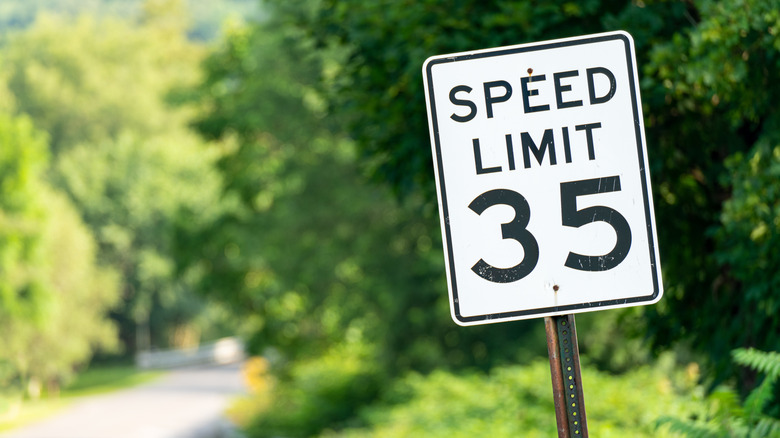
Maintaining a safe speed is a fundamental responsibility of every driver. It not only keeps you and all the other drivers, cyclists, and pedestrians around you safe. On local streets in cities and towns, speed limits tend to be slower due to crowds and limited visibility. On larger roads, speed limits help reduce accidents in areas with intersections and controlled stops, and on freeways, limits still help protect drivers from catastrophic injuries during a collision. Almost 30% of all car accident fatalities are the result of speed-related crashes, and research has proven that raising speed limits also increases the number of fatal accidents.
Statutory speed limits vary from state to state, but you can typically find this information by checking your state’s vehicle code. If you’re traveling out of state and you’re worried about getting a ticket, you may want to look up the limits for each state you’ll travel through before you leave. Remember, posted limits may differ from those blanket, statutory limits and take priority, so be sure to follow the speed limit sign once you finally spot one. As always, be sure to follow special condition speed limits, such as those in school and construction zones.
While you may get frustrated by a speed limit that is lower or higher than what you believe is safe, these limits are not just arbitrary numbers selected by a group of politicians. They are typically the result of speed studies that include a multitude of factors, including traffic volume, roadway type, roadway features, and more.

Comments are closed.