
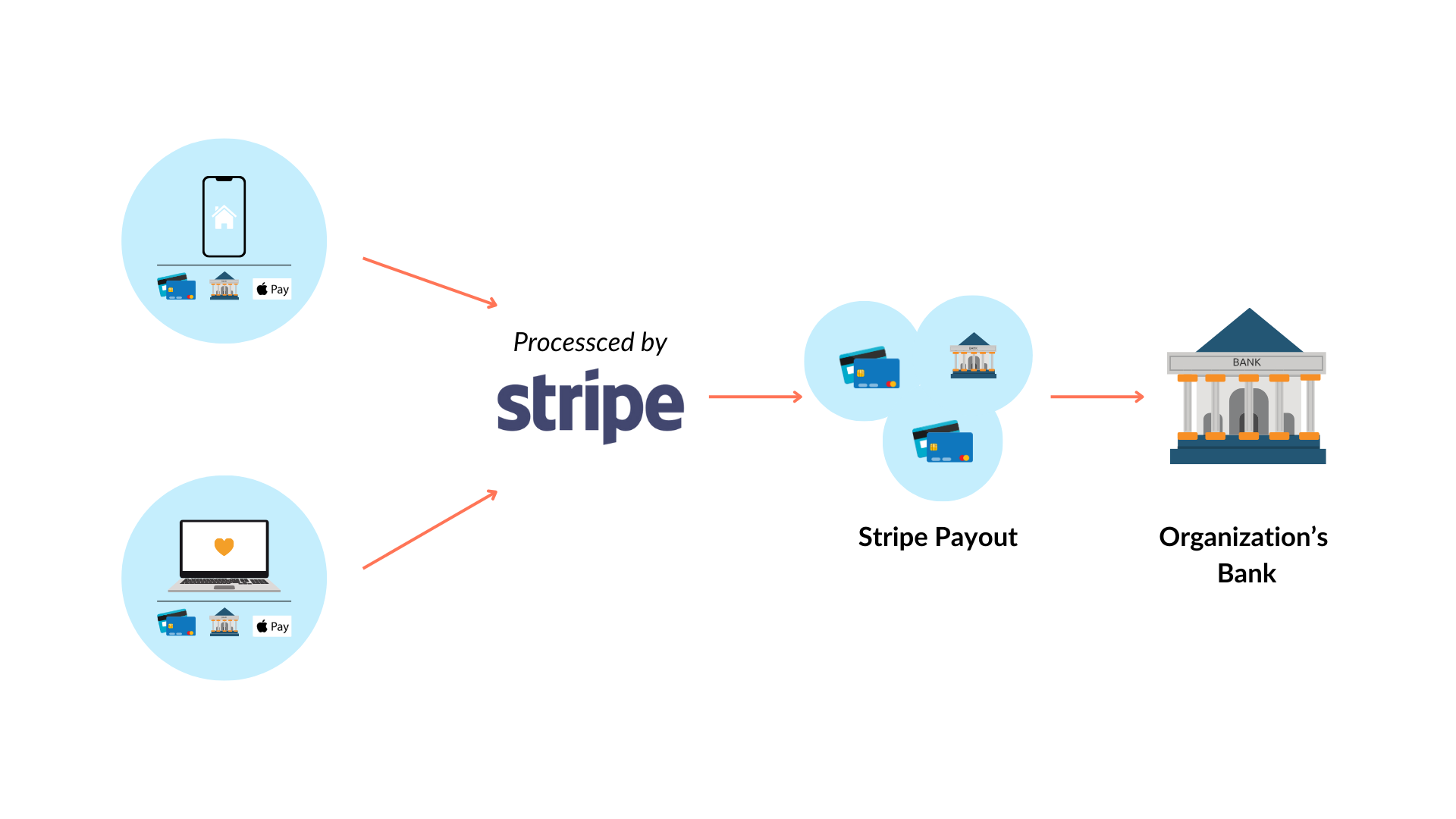

When businesses think about accepting online payments, one name often comes to mind: Stripe. From startups and e-commerce stores to global enterprises, millions of businesses rely on Stripe to process transactions seamlessly. At first glance, Stripe’s business model appears straightforward—charge merchants a fee for every payment processed.
But beneath that simple pricing structure lies a much more sophisticated revenue machine. Stripe earns money from a variety of services, some obvious and others that many merchants rarely notice. Here’s a closer look at how Stripe makes money.
Credits: Business Model Hub
The Core Revenue Driver: Payment Processing Fees
Stripe’s most visible source of revenue is payment processing.
In the United States, the company typically charges merchants 2.9% plus $0.30 per successful online card transaction. Every time a customer buys a product or service, Stripe takes a small cut before transferring the remaining amount to the merchant.
However, not all of that fee goes directly into Stripe’s pocket. The company must pay interchange fees to banks, card networks like Visa and Mastercard, and other payment ecosystem participants. Depending on the payment method used, these costs can vary significantly.
As a result, Stripe’s actual profit margin on many transactions is often much smaller than merchants assume. The company benefits most from lower-cost payment methods such as debit cards, bank transfers, and digital wallets, which typically carry lower processing expenses.
Building Revenue Through Premium Business Tools
Stripe has evolved far beyond a payment processor. Over the years, it has developed an ecosystem of software products designed to help businesses manage their operations.
One of these products is Stripe Billing, which helps companies manage subscriptions, recurring payments, invoicing, and revenue analytics. Businesses pay additional fees to access these capabilities.
Another major offering is Stripe Connect, a solution built for marketplaces and platform businesses that need to distribute payments among multiple parties. Platforms such as gig-economy apps and online marketplaces often rely on Connect and pay additional fees for the service.
Stripe also offers Radar, an AI-powered fraud detection system, which charges merchants an extra fee per transaction. Similarly, Sigma provides data analytics and reporting tools that generate additional revenue for the company.
These software products create recurring income streams while increasing customer dependence on Stripe’s ecosystem.
Profiting From Cross-Border Transactions
International payments represent one of Stripe’s most lucrative opportunities.
When customers purchase products in a different currency, Stripe handles the conversion process. For merchants, this creates a seamless experience, but it also opens the door for additional fees.
Stripe typically charges extra fees for currency conversion and international card usage. Beyond these explicit charges, payment providers often build a margin into exchange rates, allowing them to generate additional revenue from foreign exchange activities.
As global commerce continues to grow, cross-border payments have become an increasingly important contributor to Stripe’s overall earnings.
Chargebacks, Refunds, and Risk Management
Another less visible source of revenue comes from transaction disputes.
When customers challenge a payment, Stripe may charge merchants a fee for handling the chargeback process. While managing disputes creates operational costs, the associated fees can generate meaningful revenue at scale.
Similarly, merchants may encounter fees related to refunds, risk monitoring, and compliance requirements. Stripe’s ability to manage risk across millions of businesses allows it to maintain strong relationships with payment networks while monetizing these services.
The company also actively monitors merchant activity and may impose additional requirements or fees on businesses that generate unusually high levels of disputes.

Credits: Riviera Events
Why Stripe’s Business Model Is So Powerful
Stripe’s success comes from combining payments, software, and financial infrastructure into a single platform.
While payment processing remains its foundation, the company has built multiple layers of revenue through subscription management, fraud prevention, analytics, marketplace tools, currency conversion, and risk management services.
This diversified approach allows Stripe to earn far more than just a percentage of each transaction. As businesses grow and process larger payment volumes, many adopt additional Stripe products, creating a powerful ecosystem that strengthens customer retention and expands revenue opportunities.
In the end, Stripe isn’t simply a payment processor—it’s a financial technology platform designed to monetize nearly every aspect of digital commerce.

Comments are closed.