
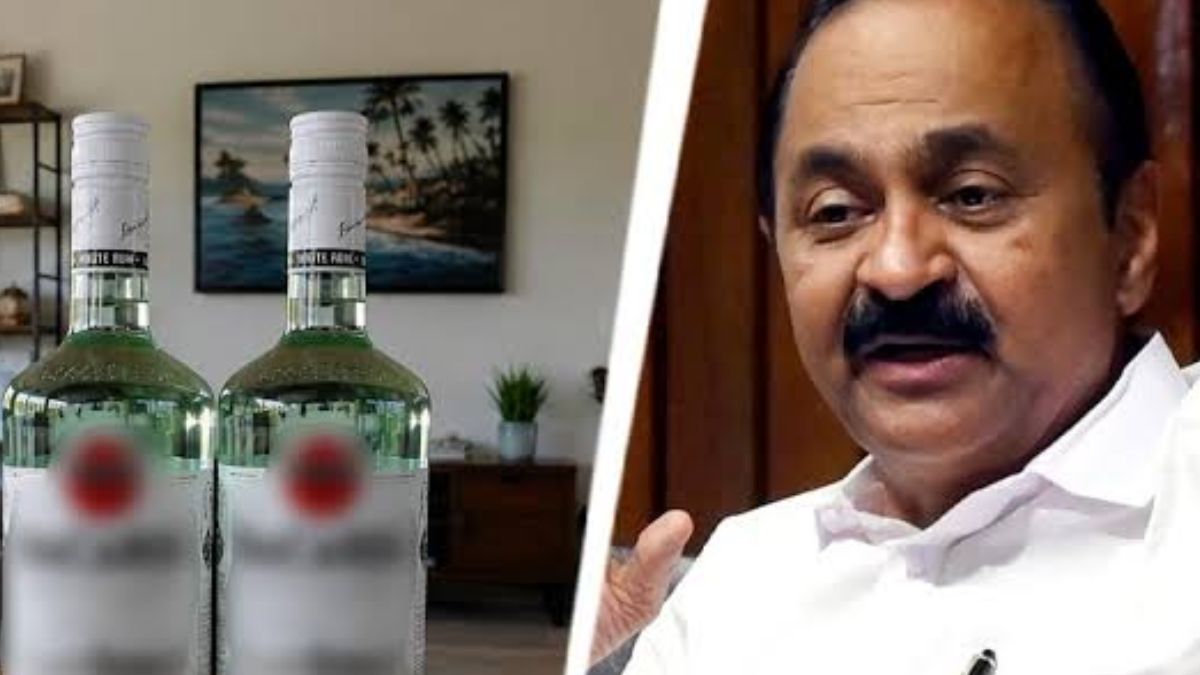
CPI(M) rejects liquor policy charges, alleges ₹600 crore revenue loss under Satheesan government

The Communist Party of India (Marxist) [CPI(M)] on Saturday rejected allegations concerning the previous Left Democratic Front (LDF) government’s liquor policy and accused the Kerala government led by Chief Minister V. D. Satheesan of causing a revenue loss of nearly ₹600 crore by granting tax concessions on low-alcohol beverages.
The party alleged that the state’s decision to reduce taxes on low-alcohol liquor primarily benefits large distilleries while adversely affecting the state exchequer. CPI(M) leaders maintained that the previous LDF government had never proposed tax concessions for such products and asserted that the current government’s policy differs significantly from the earlier framework.
Former Excise Minister M. B. Rajesh said the LDF government’s liquor policy had introduced a classification for low-alcohol beverages but did not include any proposal to reduce taxes. He termed claims made by the present government linking the policy to the previous administration as “factually incorrect” and demanded that the Chief Minister clarify the basis for those assertions.
Rajesh alleged that the tax concessions granted by the government would result in a revenue loss of around ₹600 crore and questioned the rationale behind reducing taxes despite the state’s financial challenges. He also claimed that the revised tax structure would primarily benefit major liquor manufacturers producing ready-to-drink low-alcohol beverages.
The CPI(M) further alleged that the government’s decision could encourage wider availability of low-alcohol products in the state and called for the proposal to be withdrawn. The party maintained that its earlier liquor policy was aimed at regulating the sector while avoiding measures that could encourage greater alcohol consumption.
The controversy follows recent discussions in the Kerala Assembly over the state’s excise policy and taxation of low-alcohol beverages. Chief Minister Satheesan has defended the government’s decision, stating that the process of creating the low-alcohol category began during the previous LDF administration and that the present government only determined the applicable tax structure.
The issue has triggered a fresh political confrontation between the ruling government and the CPI(M), with both sides accusing each other of misrepresenting the earlier liquor policy. The debate is expected to continue as the Finance Bill and excise proposals come under further discussion.

Comments are closed.