
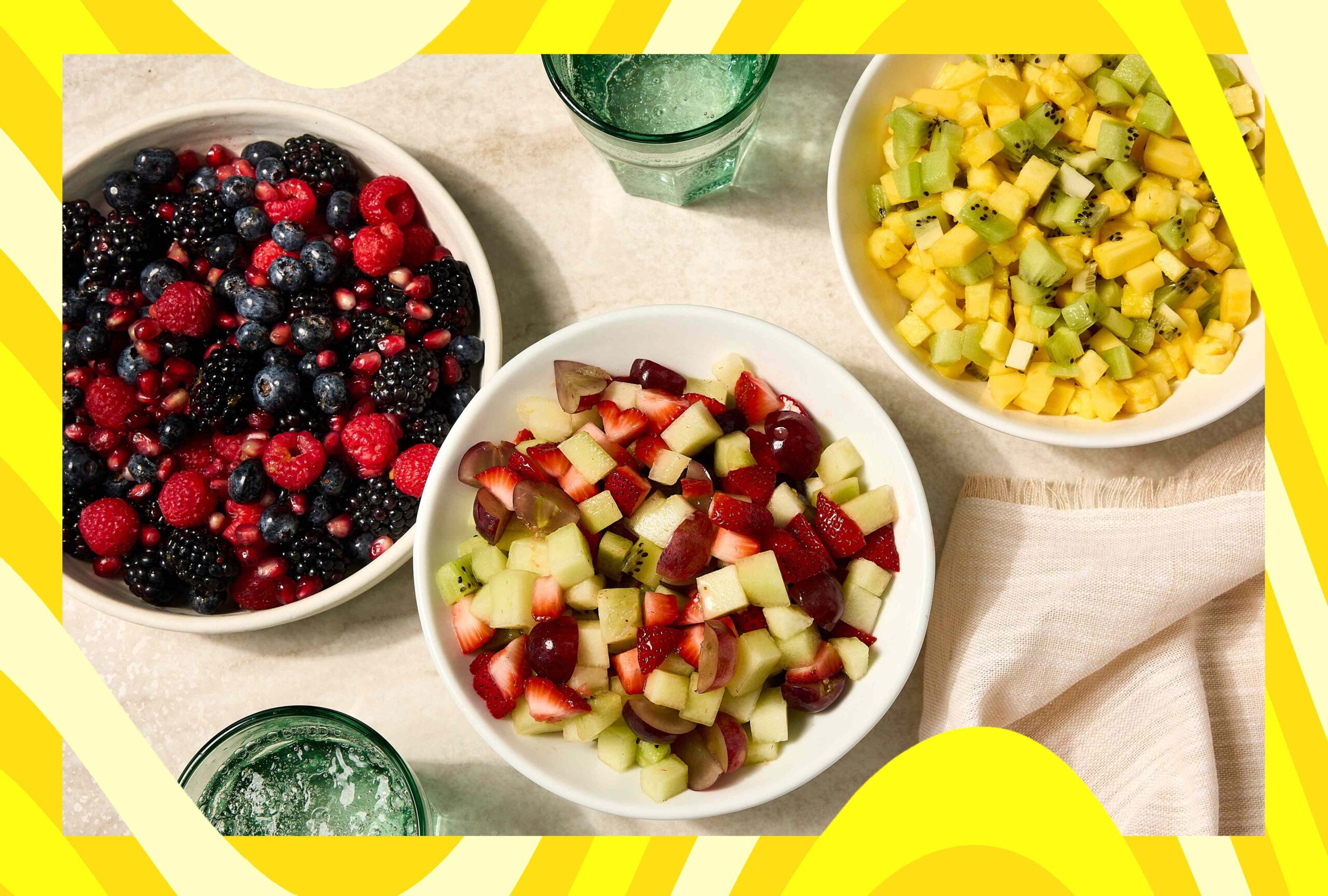

Snacking on these fruits could have more benefits than you realize.
Reviewed by Dietitian Emily Lachtrupp, M.S., RD
Key Points
- Grapes and blueberries are rich in polyphenols, which may support heart health by reducing inflammation.
- Studies link eating these fruits to improved blood pressure and blood vessel function, lowering cardiac risks.
- While not a cure-all, adding grapes and blueberries to your diet is a simple step toward better heart health.
Every year, millions of people die from heart attacks, strokes and other diseases of the heart and blood vessels. Cardiovascular disease, which is an umbrella term for conditions that affect how blood moves through the body, is one of the biggest killers we face.
Medication continues to be an effective treatment for most people with cardiovascular disease, but that’s only part of the picture. Increasingly, researchers are asking whether what we eat could help prevent the disease from developing in the first place. Grapes and blueberries have emerged as two foods worth examining closely.
Both are packed with natural plant compounds called polyphenols, including flavonoids, anthocyanins and resveratrol, that have benefits beyond making fruit colorful. A recent review set out to ask a straightforward question: Is there solid evidence that these compounds actually benefit the heart? The results were published in Nutrients.
How Was the Study Conducted?
This paper was a narrative review, meaning the authors gathered and summarized existing research rather than running a new experiment. They focused only on human studies and looked specifically at three types: meta-analyses, systematic reviews and randomized controlled trials. These are generally considered the more reliable forms of evidence.
The studies had to involve grapes, blueberries or related bioactive compounds such as polyphenols, flavonoids, anthocyanins and resveratrol. The review drew on 17 meta-analyses or systematic reviews and 20 randomized controlled trials, with many of the individual trials being relatively small, each enrolling roughly 20 to 115 participants.
The authors also tracked a range of cardiovascular outcomes, including blood pressure, endothelial function—meaning how well blood vessels relax and respond—inflammation, arterial stiffness and more.
What Did the Study Find?
The findings highlighted how beneficial eating grapes and blueberries can be when it comes to heart health.
When it came to grapes, one analysis of 17 trials found that grape polyphenols taken at more than 500 mg per day for at least 12 weeks was linked to significantly lower C-reactive protein, a marker of inflammation. While another review of 30 randomized controlled trials found that eating grapes was linked to reduced systolic blood pressure by roughly 3.17 mmHg.
Blueberries showed promise too. In one trial, eating 150 grams of blueberries daily (or about 1 cup) for six months was linked to improved endothelial function and arterial stiffness, with changes the authors linked to a predicted 12 to 15% lower cardiovascular risk.
It’s worth being clear about what these results mean. They measure risk markers, not hard outcomes. In other words, the studies tracked things like blood pressure and vessel function, not whether people actually had fewer heart attacks or strokes.
Limitations
The evidence here comes with real caveats. Many of the included studies were small and short-term, which makes their findings less certain. Most measured surrogate biomarkers rather than actual cardiovascular events. The interventions were also mixed: some studies used fresh fruit, while others used extracts, red wine or isolated resveratrol. These aren’t interchangeable, and results from a concentrated supplement may not tell us the same thing as eating whole grapes or blueberries. Benefits also tended to be more noticeable in people who already had higher cardiovascular risk.
While the study used no external funding, one author’s time was funded by Bloom Fresh International Limited, a company that breeds and sells red-fleshed table grapes commercially.
How Does This Apply to Real Life?
So, should you eat more grapes and blueberries? Based on this evidence, we’d say yes—but with realistic expectations. These aren’t miracle foods, and the research doesn’t frame them that way. What it does suggest is that making room for polyphenol-rich fruits like grapes and blueberries in your daily diet is a great choice, one that lines up with other research about the benefits of antioxidants.
That said, don’t mistake promising for transformative. A handful of blueberries won’t lower your blood pressure the way medication does, and no amount of grapes replaces exercise, quitting smoking or managing your cholesterol. While these fruits are a smart addition to an already solid foundation, they’re not a workaround for building one.
Of course, you can simply eat them as they are—a handful of grapes as a snack or a bowl of blueberries with breakfast is a perfectly good start. But if you’re looking for more ways to work them into your routine, here are a few ideas worth trying:
- Blend them into smoothies. Grapes and blueberries are excellent additions to smoothies. Combine them with spinach, yogurt and a banana for a nutrient-packed start to your day.
- Top your salads. Add a handful of grapes or blueberries to green salads for a burst of sweetness and an antioxidant boost. Pairing them with nuts and a light vinaigrette can elevate the flavors.
- Freeze them for a treat. Frozen grapes and blueberries are refreshing, naturally sweet snacks perfect for a hot day (or anytime you need to cool down).
- Mix into yogurt or oatmeal. Enhance your breakfast by stirring these fruits into plain Greek yogurt or oatmeal.
Our Expert Take
This review published in Nutrients offers a useful summary of a decade of research and suggests that including grapes and blueberries in your diet may offer meaningful support for heart health.
But at the end of the day, heart health is shaped by patterns, not promises. Grapes and blueberries won’t single-handedly prevent cardiovascular disease, but the evidence suggests they can play a valuable supporting role in a heart-healthy lifestyle. Rich in polyphenols and easy to incorporate into everyday meals, they offer a simple, accessible way to nudge the odds in your favor. The bigger takeaway is not that one food can change everything, but that small, consistent choices add up. Want to add some more blueberries or grapes to your routine? Here are a few of our favorite dishes:

Comments are closed.