


Birdbaths — a simple garden item that attracts birds and wildlife to households and adds a layer of vibrance and natural activity to outdoor spaces. UK gardens that have a birdbath are being urged to put a 2p coin in them this summer and the reasoning behind it is very sound.
Birdbaths have the tendency to get dirty and become a cesspool of slime and disease very quickly, making them unappealing not just to gardeners, but more importantly to the wildlife that’s supposed to flock to them. Smelly, murky, algae-filled birdbaths will not only put you off from going near them, they will also repel the birds and wildlife they’ve been installed for in the first place.
Birdbaths have the tendency to get dirty very quickly, especially in summer (Image: Getty)
Summer months are the period during which birdbaths are especially prone to these conditions, making hot weather the perfect time to take corrective measures to ensure your birdbath remains a clean and attractive haven for wildlife.
That’s where a copper 2p coin comes in. Experts at Gardening Know How believe copper pennies are “one of the cheapest and easiest ways to keep your birdbath clean so you can attract more birds to your garden”.
A penny or two placed inside birdbaths is known to be an excellent remedy for algae and grime build-up, keeping the water clean and healthy for garden visitors. The added benefit of the hack? Birdbaths become much easier for humans to clean and less of a nuisance to gardeners.
The reason why a penny is the perfect remedy for a dirty birdbath brimming with algae is all thanks to copper. As the coin sits at the bottom of your birdbath, it releases small amounts of copper into the water over time, which discourages the growth of algae, making your water source much safer and cleaner for birds and other wildlife visitors and keeping it fresher for longer.
Copper is believed to have mild antimicrobial properties, which in turn discourages algae and bacterial growth in stagnant water. Not just any penny will do though. One or two-penny coins from before 1982 are the kind to go for, as the copper present in these will trigger a chemical reaction in the birdbath’s water, which will work as a natural deterrent against the rampant development of algae.
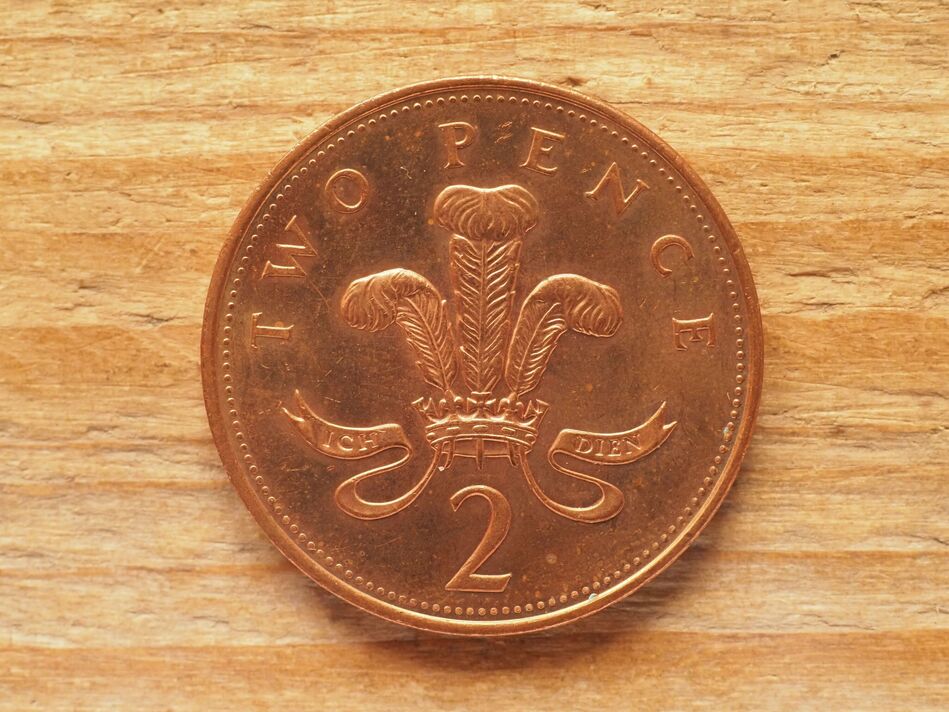
A 2p copper coin will help keep birdbaths clean and hygienic (Image: Getty)
Rocky Trifari, bird enthusiast and owner of The Rocky Safari shares: “Copper is a natural biocide with properties that interfere with the biological processes algae and other microorganisms rely on.
“When copper ions leach into the water, they promote an environment that discourages the growth of green algae, one of the main causes of that slimy, dirty water found in birdbaths.”
It’s important to check for signs of rust or corrosion before you drop any pennies into your birdbath, and a thorough cleanse using natural methods is highly recommended. Avoid using harsh chemicals for the same.
Chris Bonnett, founder of GardeningExpress.co.uk adds: “It’s easy to assume that since it’s cold, birds don’t need or want a fresh water supply but this isn’t the case at all. Just like us, birds need regular access to a clean and fresh water source so it’s important to keep filling bird baths
“A clean birdbath is crucial in preventing the spread of diseases so if you haven’t used yours in a while give it some care before filling it up with water.
“If you find your birdbath quickly attracts algae you can actually place a 2p coin at the bottom once it’s cleaned to help slow down the growth of it. This means you might be able to go a bit longer before having to give it another clean.”

A clean birdbath is an attractive haven for wildlife (Image: Getty)
An important factor to look out for is excessive or prolonged exposure to dissolved copper, which could pose a health risk for the smaller species of birds using your birdbath. It’s strongly advised to use only a small number of coins, and this hack is not a replacement for providing fresh water to birds and wildlife on a regular basis.
It’s also worth noting that placing a penny in your birdbath is just a supporting solution to the prevalent problem of slime and grime accumulating in birdbaths.
It’s absolutely essential to still frequently clean these garden fixtures, as nothing can beat a proper rinse and scrub when it comes to birdbaths and keeping them hygienic and safe for animals.
It’s especially crucial to regularly clean birdbaths in the summer, as warm temperatures accelerate stagnation and contamination, leading to faster build-up and soiled conditions.
Adding one or two copper pennies to birdbaths this summer will make for a timely addition to your garden routine as the UK finds itself in the scorching grip of heatwave after heatwave, leading to more and more wildlife searching for a clean and safe sip of water.
Comments are closed.