

Vlogger Shows Heavy Pollution Caused By Ethanol Production In World’s Most Polluted City [Video]

You must have heard this a thousand times by now: that ethanol is a very clean source of fuel and mixing it with petrol will help in reducing the pollution levels in India. However, what is told publicly is sometimes not true. We are saying this because, recently, a video documentary showing India’s most polluted city has been shared online. And the main reason behind the pollution of this city, called Byrnihat, is the same “clean” ethanol production plant.
This viral documentary showing Byrnihat, Meghalaya, has been shared on YouTube by Sarthak Goswami on his channel. It starts off with the vlogger explaining that Byrnihat has left behind polluted cities like Delhi, Mumbai, Ghaziabad, and Noida and has become the most polluted city in India. Following this, he explains that, along with the locals, he will be exploring the city and showing what ethanol production has done to it.
After the introduction, he reaches the city and starts talking to locals with the help of a translator. In the video, the vlogger shows thick smoke, black soot covering leaves and vegetables, and many residents who tell him that pollution has increased significantly after factories were set up in the area. What makes this documentary even more controversial is that one of the factories producing this pollution manufactures ethanol.
According to the documentary, Byrnihat is home to a large number of industries, including cement plants, distilleries, and ethanol manufacturing units. Many local residents have claimed that smoke from these factories has covered the village in black dust, making it very difficult to breathe and forcing them to wash vegetables multiple times before cooking and eating them.
Many villagers have also alleged that they are facing respiratory illnesses and skin problems and that cancer cases have increased over the last few years. However, it is important to note that the documentary itself clarified that there is no scientific evidence directly linking any individual death or illness to a particular factory.
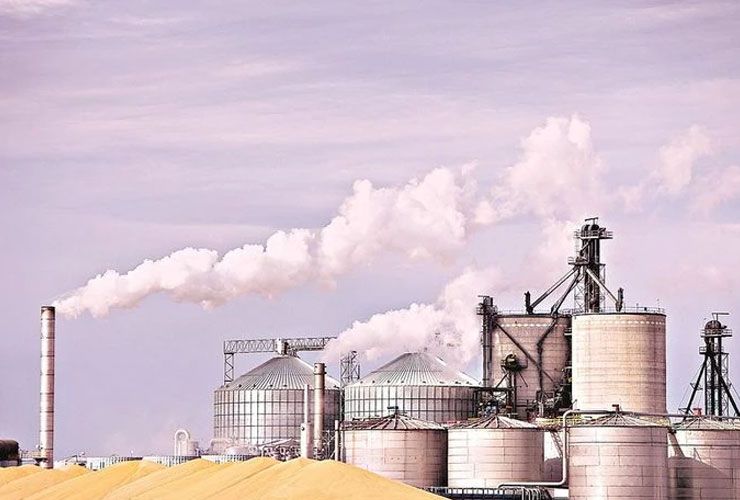
The government data quoted in the documentary, however, does show that respiratory disease cases in the area increased from 2,082 in 2022 to 3,681 in 2024. But, once again, it does not prove that ethanol production alone is responsible. It does, however, highlight that industrial pollution in the region has become a major concern.
Recently, a similar issue has also been reported from Zira in Punjab, where the Malbros ethanol plant was shut down in 2023 after months of protests from local residents. Later, a Central Pollution Control Board (CPCB) investigation highlighted that hazardous industrial waste had contaminated groundwater in nearby villages. Even today, many residents claim they continue to suffer from polluted water, declining agricultural productivity, and many other health issues. At the same time, the company has denied these allegations and continues its legal battle.
Now, you may be wondering if ethanol is as clean as it has been shown by the government. Well, the short answer is no. These incidents that have been mentioned above do not necessarily mean that ethanol itself is environmentally harmful. In reality, ethanol is still cleaner than conventional petrol in terms of lifecycle carbon emissions.
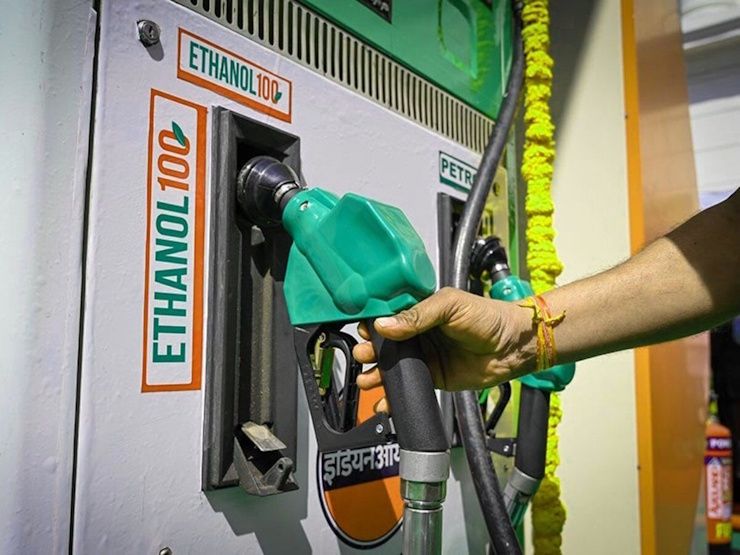
Ethanol is produced from plants such as sugarcane, maize, and rice, while crude oil has to be drilled from the seabed. So, since these crops absorb carbon dioxide while they are growing, the overall emissions from ethanol are generally lower than those from fossil fuels. For this reason, there are a lot of countries around the world that have adopted ethanol blending to reduce dependence on crude oil imports.
India’s ethanol programme has also shown many benefits. The government has stated that ethanol blending has helped in saving over Rs 1.40 lakh crore in foreign exchange by reducing crude oil imports. It has also generated thousands of crores of additional income for farmers supplying ethanol feedstock.
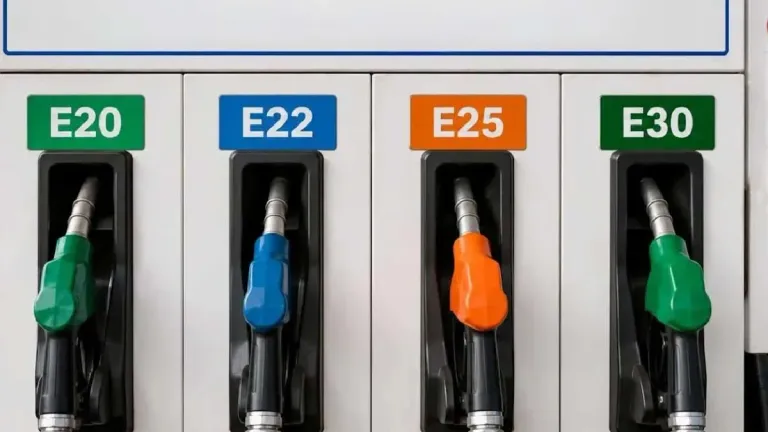
Although ethanol itself has environmental benefits, the way it is produced can sometimes create new problems. One of the biggest concerns is water consumption. According to Food Secretary Sanjeev Chopra, producing one litre of rice-based ethanol requires around 10,790 litres of water.
However, since India already faces groundwater shortages in many states, increasing ethanol production using rice has become a topic of debate. Another concern is industrial wastewater. During the production of ethanol, a by-product known as vinasse is generated. If this wastewater is not treated properly before being disposed of, it can contaminate rivers and groundwater.
The good news is that rice is not the only way to produce ethanol. India has already started investing in second-generation, or 2G, ethanol. It is produced using agricultural waste such as rice straw, wheat stubble, and sugarcane bagasse instead of food crops. So, with this, not only does the water footprint reduce, but it also helps prevent stubble burning.
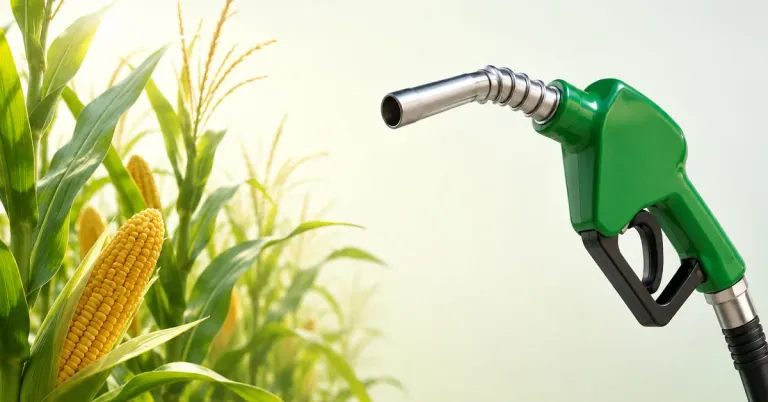
Apart from this, bamboo and algae have also become viable alternatives. Bamboo grows quickly with very little irrigation. Meanwhile, algae can be cultivated using saline water and wastewater without competing with agricultural land.
Comments are closed.