
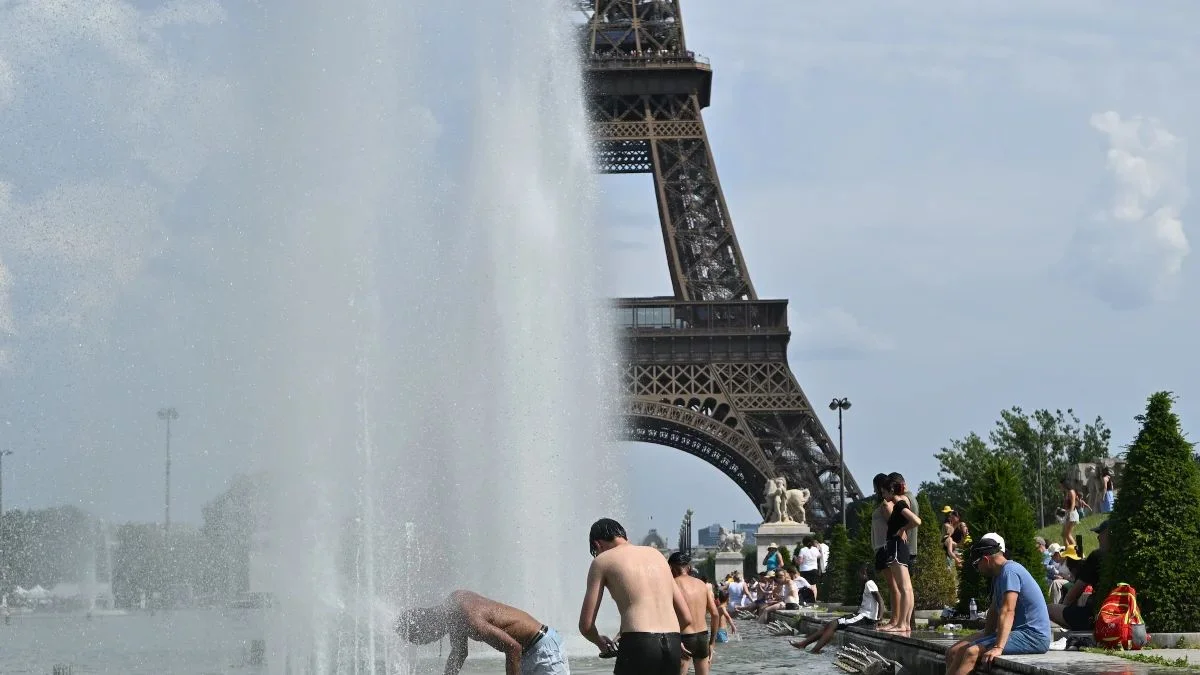
France heatwave death toll reaches around 1,000 as extreme temperatures overwhelm health services

France is facing the devastating impact of one of its most severe heatwaves in recent years. Health authorities say the prolonged spell of extreme temperatures has contributed to around 1,000 excess deaths since June 24, highlighting the deadly consequences of the country’s latest climate emergency.
The intense heat has pushed temperatures above 40 degrees Celsius across large parts of France before gradually spreading toward other parts of western and central Europe. As the mercury climbed, hospitals and emergency services struggled to cope with a surge in heat-related illnesses, particularly among older adults and people living with existing medical conditions.
The latest figures have turned what began as a weather event into a major public health crisis, with officials continuing to monitor the situation as the country recovers from weeks of dangerous conditions.
France heatwave leaves around 1,000 excess deaths
French health authorities say the heatwave has resulted in approximately 1,000 excess deaths since June 24. Excess deaths refer to the number of fatalities above what would normally be expected during the same period, offering a clearer picture of the broader impact of extreme weather.
The elderly have been among the hardest hit, especially those living alone or with chronic illnesses. People with heart disease, respiratory conditions, and other health problems are particularly vulnerable during prolonged periods of intense heat because the body struggles to regulate its temperature.
Doctors have also warned that heat exhaustion and heatstroke can develop quickly when temperatures remain high for several days without significant overnight cooling. That risk becomes even greater in densely populated urban areas where concrete and buildings trap heat long after sunset.
The latest death toll serves as another reminder that heatwaves are no longer simply uncomfortable weather events. They have become a growing threat to public health across Europe.
French hospitals struggle as temperatures exceed 40°C
The extreme temperatures placed enormous pressure on France’s healthcare system. Emergency rooms reported an increase in patients suffering from dehydration, heat exhaustion, and heatstroke, while ambulance services responded to a higher number of emergency calls.
Hospitals also faced additional challenges because many patients requiring treatment were elderly individuals with multiple underlying health conditions. Medical staff had to balance routine care with the sudden influx of heat-related emergencies.
Authorities opened cooling centers in several communities and urged residents to stay indoors during the hottest parts of the day, drink plenty of water, and regularly check on elderly relatives and neighbors. Public health campaigns also encouraged employers to protect outdoor workers who faced prolonged exposure to dangerous temperatures.
Despite these efforts, officials acknowledged that the scale and duration of the heatwave created exceptional pressure on emergency services.
Europe faces another warning over extreme weather
The French heatwave is part of a broader pattern of increasingly intense weather events affecting Europe in recent years. Climate experts have repeatedly warned that rising global temperatures are making heatwaves more frequent, longer lasting, and more severe.
Countries across the continent have spent years improving heat action plans following previous deadly summers, but the latest figures suggest that protecting vulnerable populations remains a major challenge. As temperatures moved eastward, several neighboring countries also experienced dangerous conditions, raising concerns about the wider regional impact.
French authorities are expected to continue analyzing the health data in the weeks ahead, meaning the final number of excess deaths could change as more information becomes available. Beyond the statistics, however, the latest heatwave has once again demonstrated that extreme heat is becoming one of Europe’s deadliest natural hazards, forcing governments to rethink how they prepare for a warming future.

Comments are closed.