
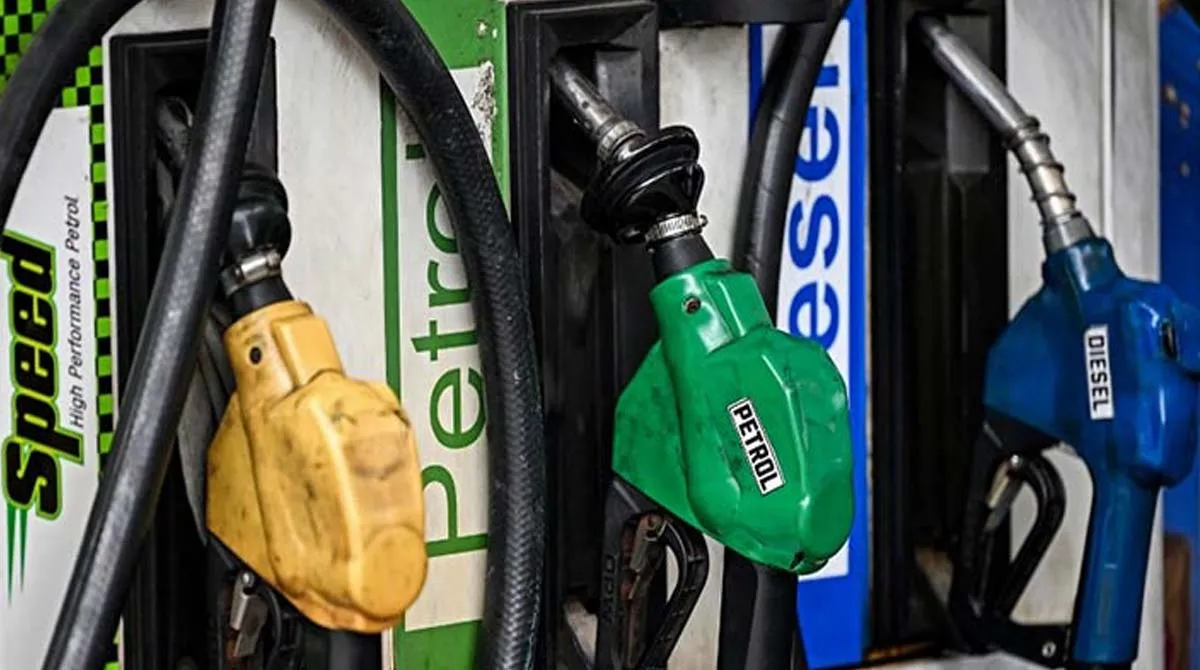
Great news for petrol and diesel customers! Now there will be no shortage of fuel, the government has removed these restrictions

There is news of great relief for all those commercial customers of the country, who were struggling with the purchase of petrol and diesel for some time. The government has announced the removal of all restrictions on retail sale of petrol and diesel from July 1. Recall that these restrictions were implemented as an emergency measure to protect domestic fuel supply due to the conflict in the Middle East and instability in the global energy market.
Now the plain and simple meaning of this decision is that from July 1, owners of buses, trucks and other commercial vehicles will be able to buy fuel directly from petrol pumps at retail rates without any hesitation. This will reduce their fuel costs and remove obstacles in their work.
Why were these restrictions imposed?
When the government implemented these rules, commercial users were banned or limited in purchasing oil from retail outlets (petrol pumps). Under the rule, the sale of diesel was limited to 200 liters per day per customer or per vehicle. The main reason behind this was the threat to the supply chain due to tension in the area at that time, due to which the possibility of fuel shortage at the local level had increased.
The sole objective of these restrictions, implemented in the month of June, was to maintain equal availability of petrol and diesel across the country, to prevent hoarding and to curb misuse of fuel.
Now the situation has become normal, there is a big relief
After the geopolitical tension subsides and the situation becomes normal, the government has decided to remove these restrictions. Now transport operators and industrial users will again be able to buy oil from petrol pumps without any quantity limit as before.
Actually, the government had given this order in June because there was a huge difference in the prices of retail fuel and bulk supply. At that time, industrial users had to pay about Rs 40 per liter more than the retail prices. Due to this ‘arbitrage’ (price difference), many commercial companies attacked the retail outlets of government oil companies, because oil was much cheaper there. Due to this pressure, an atmosphere of chaos was created at fuel stations in many parts of the country.
The burden on government companies had increased
Due to the implementation of these restrictions, huge pressure was seen on the government retailer companies i.e. Indian Oil Corp, Bharat Petroleum Corp and Hindustan Petroleum Corp. These companies operate 90% of India’s more than 1,00,000 fuel stations. Private retailers, who were selling fuel around market rates, reported a sharp decline in diesel sales, while long queues were seen at government outlets.
India, which is a major exporter of refined petroleum products, had taken these steps only to ensure that the supply of fuel in the country continued without any interruption. Now the government believes that domestic supply has completely normalized, so these emergency restrictions are no longer needed.

Comments are closed.