
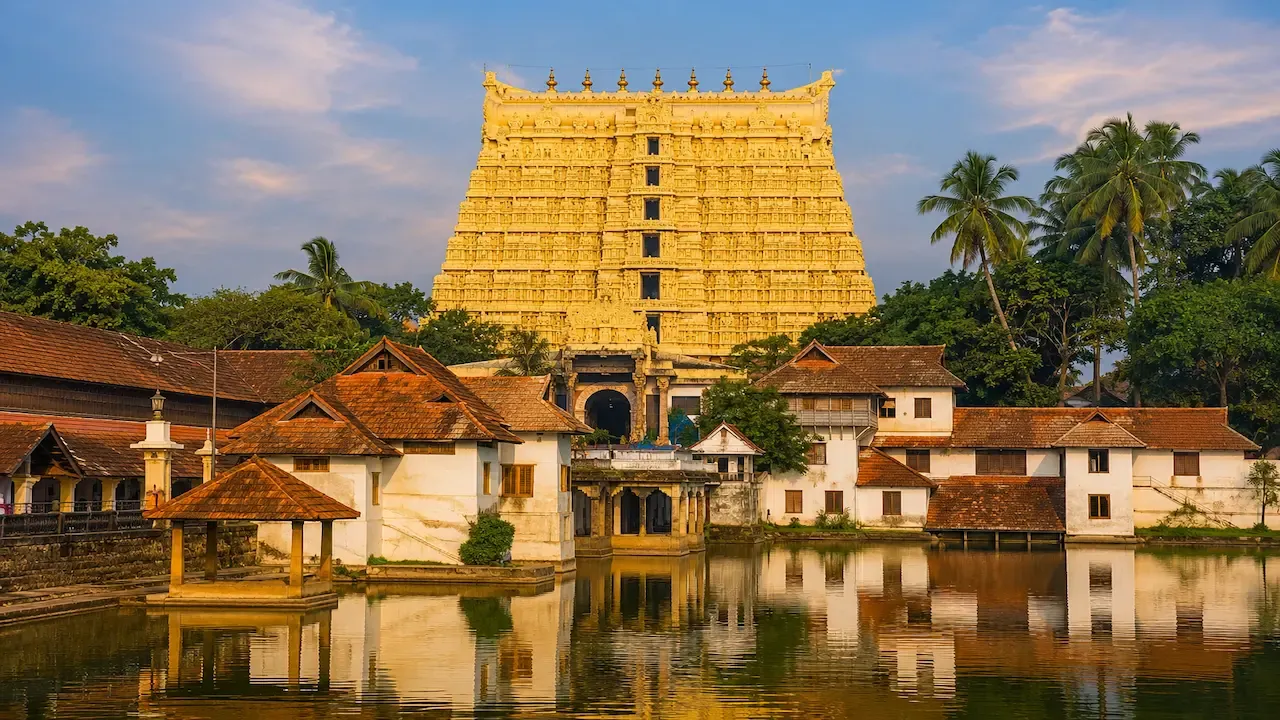

Mysterious Temples Of India : India is called the country of temples. There are thousands of years old temples here, which attract the attention of the whole world not only for their grand architecture and religious importance, but also because of their mysteries. There are some incidents related to these temples, on which research has been going on for years. Historians, archaeologists and scientists have been trying to solve these mysteries, but many questions still remain completely unanswered. Although many claims related to these mysteries are based on folklore and religious traditions, which have not been scientifically confirmed, yet these temples still remain a center of attraction for devotees, researchers and tourists. Let us know about some such mysterious temples.
Sri Padmanabhaswamy Temple: The unsolved mystery of the closed basement
Sri Padmanabhaswamy Temple located in Thiruvananthapuram, Kerala is famous all over the world for its grandeur as well as mysterious cellars. In the year 2011, many basements of the temple were opened, from where gold, diamonds, gems and priceless treasures were found, but a basement named ‘B’ has not been opened even today. There is a religious belief that this basement is protected by divine powers and opening it is considered inauspicious. On the other hand, experts say that opening it without proper security and structural study can be risky. Therefore this mystery still persists and remains a subject of people’s curiosity.
Lepakshi Temple: Amazing pillar swinging in the air
Lepakshi Temple, located in Anantapur district of Andhra Pradesh, is famous all over the world for its ‘Hanging Pillar’. This is such a miracle of engineering that even big foreign companies and engineers are left wondering. There are a total of 70 pillars in this temple, but one of them is such that its lower part does not touch the ground at all and cloth or paper can be easily removed from under it. It is believed that it is an excellent example of ancient Indian architecture, yet even after so many years this pillar remains a matter of surprise for the people.
Jwala Devi Temple: The mystery of the unbroken flame burning for centuries
Jwala Devi Temple located in Kangra district of Himachal Pradesh is considered one of the 51 Shaktipeeths. Scientific research has been done many times to know the secret of this temple, but the result was always zero. Here, unbroken flames emanating from the cracks of the rocks without any traditional fuel have been burning for centuries, which devotees consider to be the divine form of Mother Flame. According to scientists, the cause of these flames could be leakage of underground natural gas. However, no concrete scientific conclusion has been found till date as to where this gas is coming from, what is its source and how it has been burning continuously for so many years. For this reason, this temple still remains a center of attraction for both faith and science.
Konark Sun Temple: A confluence of mystery and amazing architecture
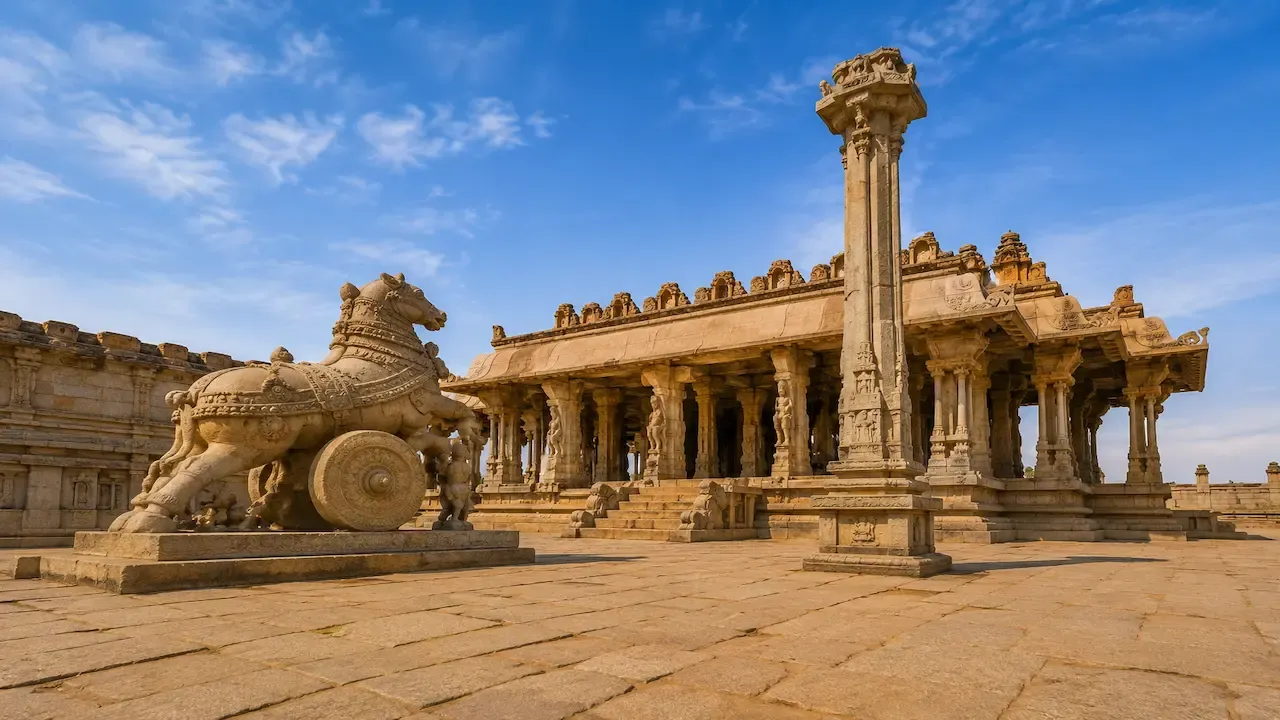
Konark Sun Temple, located in Puri district of Odisha, was built in the 13th century by King Narasimhadev I dedicated to the Sun God. Built in the shape of a huge stone chariot, this temple has 24 ornate wheels and seven horses, its unique identity. These wheels of the temple are not just a show-piece, but they also work as sun-dials. Even today people can tell the exact time by looking at their shadow. There are many folktales related to the peak of this temple. It is said that once upon a time, there was a very powerful magnet installed on the top of this temple, which used to spoil the direction of foreign ships passing through the sea and the ships were drawn towards it. Although there is no solid historical evidence to support these claims, this story still fascinates people today. This temple is also included in the UNESCO World Heritage List for its architecture.
Rameshwaram: Do the stones of Ram Sethu really float?
Ramanathaswamy Temple of Tamil Nadu is the largest center of faith associated with Lord Shri Ram. The history of this temple, one of the Char Dham, is linked to the Ramayana period. Some floating stones found in Rameshwaram are linked to Ram Sethu. According to religious belief, Nal-Neel had built a bridge over the sea with these stones. At the same time, scientists believe that some of these stones may be porous volcanic stones, such as pumice, which float on water due to being filled with air. However, the direct connection of these stones with Ram Setu has not been scientifically proven yet. Therefore, this topic still remains the center of discussion between faith and science.
How to see these mysteries?
There are different opinions regarding the mysteries related to these temples. While devotees consider them as evidence of divine power, scientists and researchers try to find natural, historical and architectural reasons behind them. It is important to understand that many popular claims are based on folklore and beliefs and independent scientific confirmation is not available in every case. The real importance of these temples lies not only in their mysteries but also in the rich cultural heritage of India, ancient architecture and historical heritage.
FAQ
Which is the most mysterious temple of India?
There are many mysterious temples in India, but Sri Padmanabhaswamy Temple of Kerala and Lepakshi Temple of Andhra Pradesh are counted among the top ones due to their unsolved mysteries.
Why ‘Bolt B’ of Padmanabhaswamy Temple is not opened?
According to religious beliefs, this door has been tied with Nag Pash mantras, opening which can be inauspicious. At the same time, scientists believe that opening it without architectural study may cause the ancient structure to collapse.
Is the pillar of Lepakshi temple really hanging in the air?
Yes, one of the hanging pillars of Lepakshi temple does not touch the ground. Cloth or paper can be easily removed from beneath it.
How does the flame of Jwala Devi temple burn without oil or ghee?
Scientists believe it to be a leakage of natural gas coming out from under the ground, but its exact source has not been known yet.
Are the floating stones of Rameshwaram pumice stones?
Some scientists believe that these could be pumice stones made of volcanic lava that float in water, but according to religious belief these are the sacred stones of Ram Setu.

Comments are closed.