
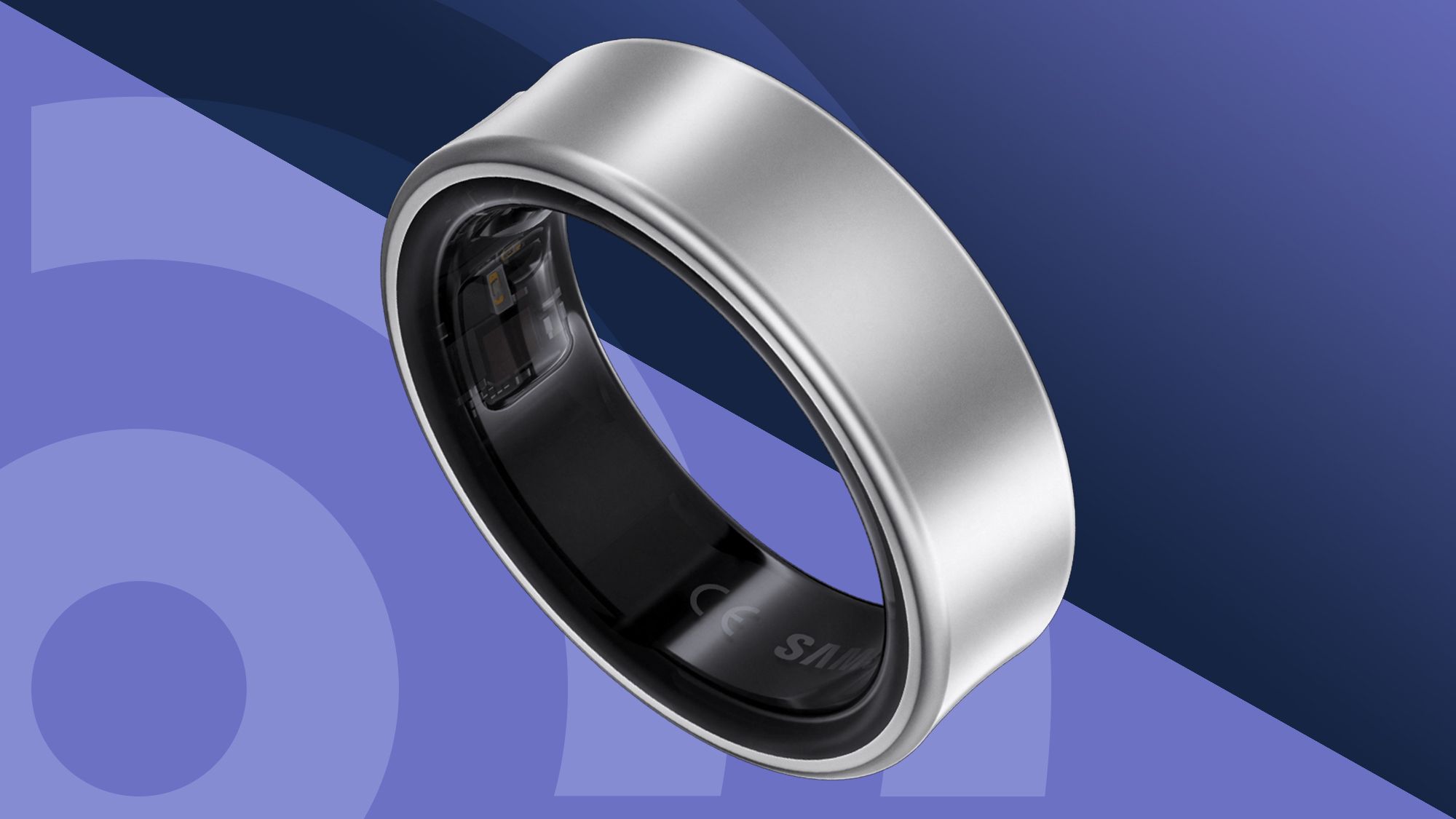

Smartwatches have dominated the wearable technology market for years, but a much smaller gadget is quietly becoming one of the most advanced health trackers available. Smart rings pack sophisticated sensors into a device no larger than a wedding band, allowing them to monitor everything from your heart rate and sleep quality to body temperature and stress levels—all while remaining lightweight and unobtrusive.
Their compact design means many users forget they’re even wearing one, making smart rings ideal for continuous health monitoring throughout the day and night. But have you ever wondered how a tiny ring can collect so much information about your body?
Let’s explore the fascinating technology behind smart rings and understand how they transform raw sensor data into meaningful health insights.
Credits: The Independent
What Is a Smart Ring?
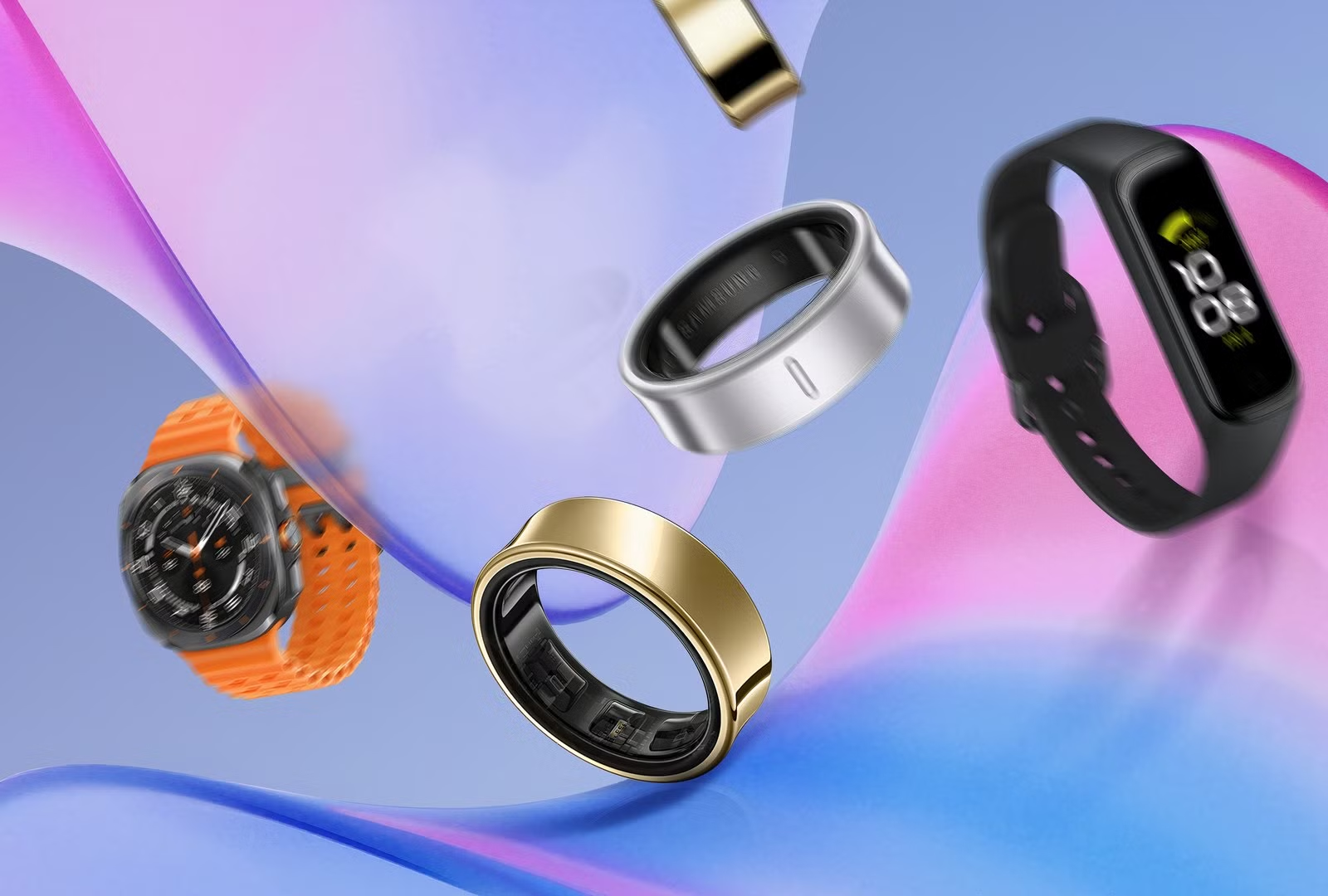
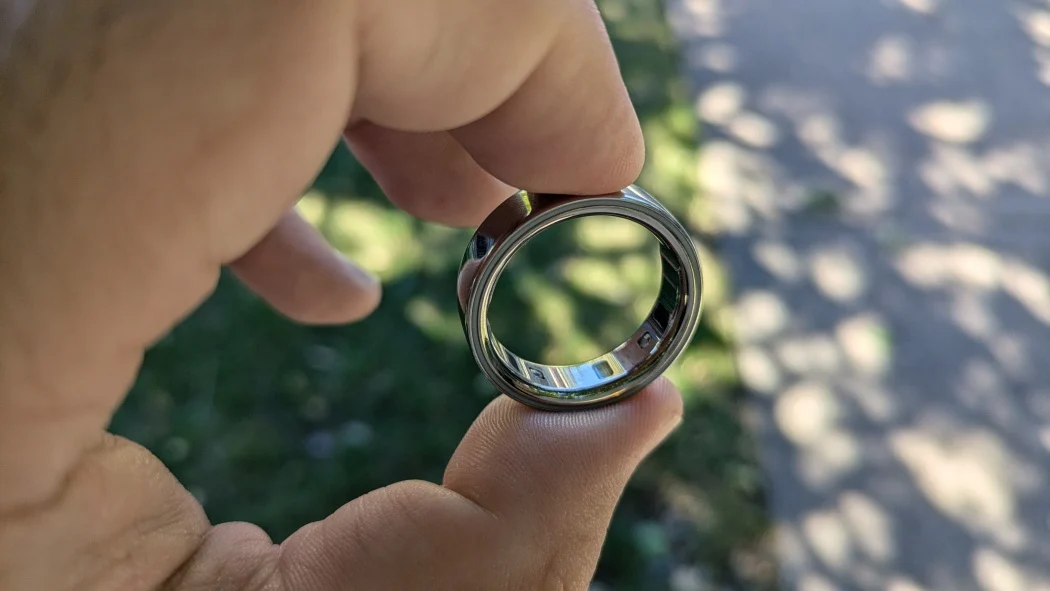
A smart ring is a wearable electronic device designed to fit comfortably on your finger while continuously collecting biometric and activity data. Unlike traditional fitness bands or smartwatches, smart rings focus primarily on health monitoring rather than notifications or apps.
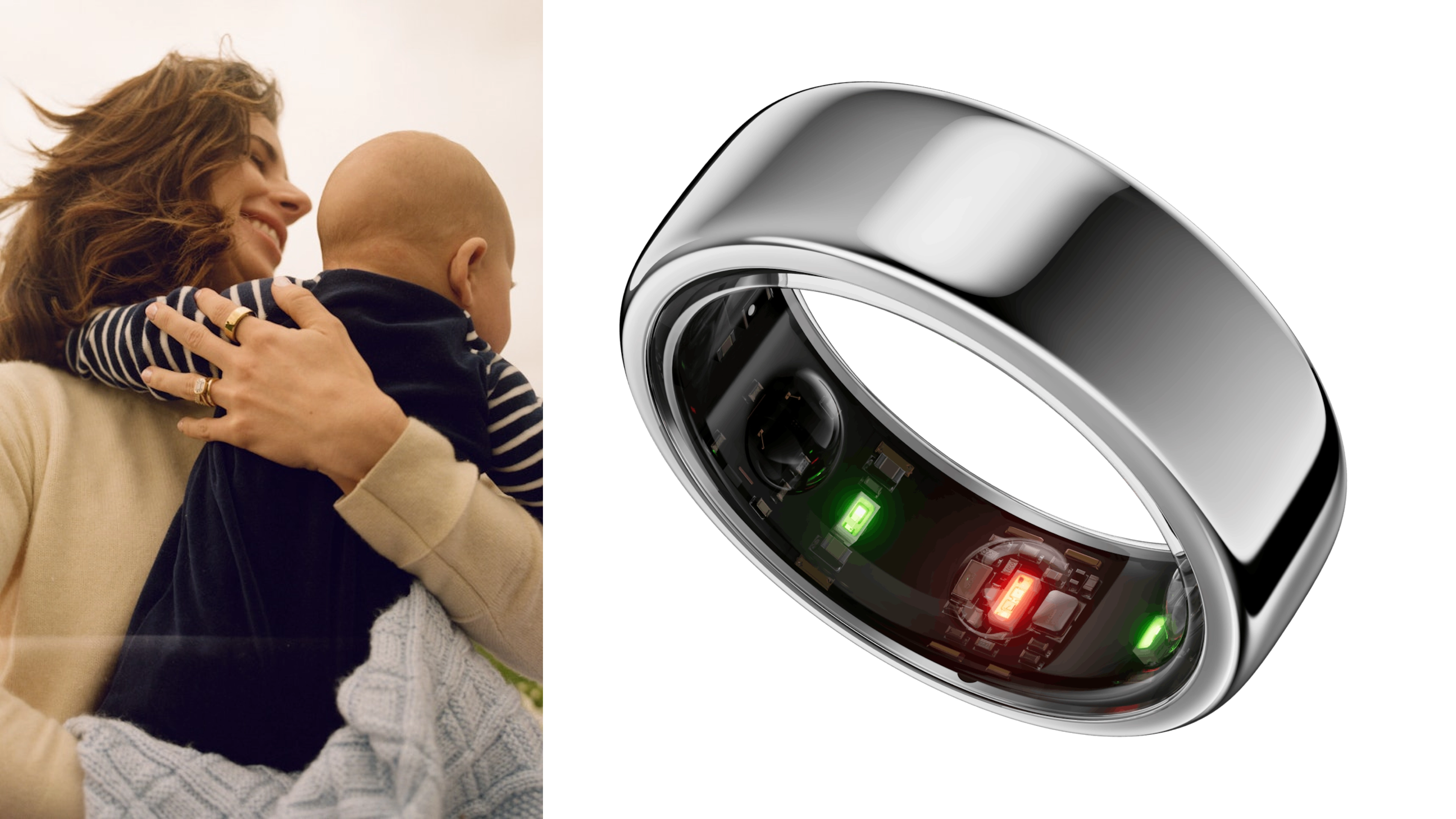
Inside the ring are miniature sensors, a rechargeable battery, wireless communication chips, and a processor that work together to measure various physiological signals. These measurements are then analyzed by companion smartphone apps to provide health scores, trends, and recommendations.
Because fingers contain a dense network of blood vessels close to the skin, they provide an excellent location for capturing accurate biometric data.
Why the Finger Is an Ideal Place for Health Tracking
One of the biggest reasons smart rings have gained popularity is sensor accuracy.
The arteries in your finger are located close to the skin’s surface, making it easier for optical sensors to detect blood flow. Compared to the wrist—which is affected by tendons, movement, and loose watch straps—the finger often provides cleaner signals.
This allows smart rings to produce more reliable readings for:
- Heart rate
- Blood oxygen levels
- Heart rate variability (HRV)
- Skin temperature
The snug fit of a ring also minimizes movement, reducing the noise that can interfere with sensor readings.
Optical Sensors Measure Your Heart
The heart of every smart ring is its optical sensor system.
This technology uses a method called Photoplethysmography (PPG). Tiny green, red, or infrared LEDs shine light into the skin, while miniature photodiodes measure how much light is reflected back.
Every heartbeat causes blood volume in your finger to increase slightly. Blood absorbs light differently than surrounding tissue, so the reflected light changes with every pulse.
By measuring these tiny variations hundreds of times each second, the smart ring can calculate:
- Heart rate
- Resting heart rate
- Heart rate variability (HRV)
- Blood circulation patterns
HRV is particularly valuable because it reflects the variation in time between heartbeats. A higher HRV often indicates better recovery and resilience, while a lower HRV may suggest stress, illness, fatigue, or insufficient sleep.
Tracking Sleep with Multiple Sensors
Sleep tracking is one of the strongest features of smart rings.
Rather than simply detecting whether you’re moving, smart rings combine several measurements simultaneously, including:
- Heart rate
- Heart rate variability
- Body movement
- Skin temperature
- Respiratory rate
Artificial intelligence algorithms analyze these signals to estimate different sleep stages, including:
Light Sleep
This is the transition stage where the body begins to relax.
Deep Sleep
During deep sleep, the body repairs muscles, strengthens the immune system, and releases growth hormones.
REM Sleep
Rapid Eye Movement (REM) sleep is associated with dreaming, memory consolidation, and emotional processing.
Instead of relying on a single measurement, smart rings compare multiple physiological signals throughout the night to estimate how much time you spend in each stage.
Accelerometers Detect Movement
Inside every smart ring is a tiny motion sensor called an accelerometer.
An accelerometer measures movement along three dimensions:
- Up and down
- Left and right
- Forward and backward
Using this sensor, smart rings can:
- Count steps
- Detect walking
- Estimate calories burned
- Monitor physical activity
- Identify periods of inactivity
- Recognize when you’re sleeping
More advanced rings also combine accelerometer data with machine learning to distinguish between different activities.
For example, they may detect whether you’re:
- Walking
- Running
- Cycling
- Sitting
- Sleeping
This helps improve activity tracking without requiring manual input.
Credits: Android Police
Skin Temperature Sensors Monitor Changes
Many modern smart rings include temperature sensors that continuously monitor skin temperature.
Instead of measuring your exact body temperature like a thermometer, they track changes relative to your personal baseline.
Even small changes—sometimes as little as 0.2°C—can reveal important information.
Temperature trends may indicate:
- Illness
- Recovery after workouts
- Hormonal changes
- Menstrual cycle phases
- Poor sleep quality
- Jet lag
Because these readings are collected every night, smart rings can often detect subtle changes before you notice symptoms yourself.
Measuring Blood Oxygen Levels
Some smart rings also measure blood oxygen saturation (SpO₂).
They use red and infrared light to estimate how much oxygen your blood is carrying.
Healthy individuals generally maintain oxygen saturation between 95% and 100%.
During sleep, the ring can identify temporary drops in oxygen levels, which may be associated with breathing disturbances such as sleep apnea.
However, it’s important to note that consumer smart rings are designed for wellness tracking rather than medical diagnosis.
Monitoring Stress Through Heart Signals
Stress isn’t measured directly. Instead, smart rings estimate stress by analyzing changes in your body’s physiological responses.
Several indicators contribute to stress detection:
- Heart rate variability
- Resting heart rate
- Skin temperature
- Activity levels
- Sleep quality
For example:
- Higher resting heart rate
- Lower HRV
- Poor sleep
- Elevated temperature
Together, these signals may suggest increased physical or mental stress.
Many companion apps then provide readiness or recovery scores, encouraging users to rest or adjust their activity accordingly.
Artificial Intelligence Makes Sense of the Data
Sensors alone aren’t enough.
Modern smart rings rely heavily on artificial intelligence and machine learning to transform millions of raw data points into meaningful insights.
Rather than simply displaying numbers, AI identifies patterns over days, weeks, and months.
For example, it may detect that:
- Your resting heart rate has gradually increased.
- Your sleep quality has declined.
- Recovery is taking longer after workouts.
- Your stress levels rise during weekdays.
- Your body temperature changes follow predictable cycles.
These long-term trends are often more valuable than individual daily readings because they reveal how your body responds to lifestyle changes.
Credits: theSkimm
How Smart Rings Estimate Calories and Activity
Unlike gym equipment that directly measures work output, smart rings estimate calorie burn using mathematical models.
These calculations combine several factors, including:
- Age
- Weight
- Gender
- Heart rate
- Activity intensity
- Duration of movement
The algorithms separate calories into two categories:
Basal Metabolic Rate (BMR): Calories your body burns at rest.
Active Calories: Calories burned through movement and exercise.
Although these estimates aren’t perfectly accurate, they provide useful benchmarks for tracking long-term fitness progress.
How Smart Rings Stay So Small
One of the biggest engineering achievements behind smart rings is miniaturization.
Manufacturers must fit numerous components into an extremely limited space, including:
- Optical sensors
- Motion sensors
- Temperature sensors
- Bluetooth chip
- Processor
- Rechargeable battery
- Charging contacts
Despite their tiny size, many smart rings can operate for five to eight days on a single charge thanks to low-power processors and energy-efficient sensors.
This makes them far less intrusive than larger wearable devices that require daily charging.
Are Smart Rings Accurate?
Smart rings have become remarkably accurate for everyday health tracking.
Studies have shown that many premium smart rings provide heart rate measurements comparable to chest straps during rest and sleep. Sleep tracking has also improved significantly through advanced algorithms that combine multiple physiological signals.
However, accuracy can vary depending on factors such as:
- Ring fit
- Finger size
- Motion during exercise
- Skin tone
- Ambient temperature
- Sensor quality
Activities involving rapid hand movements, weightlifting, or gripping objects can temporarily reduce measurement accuracy.
For this reason, smart rings are best viewed as wellness devices rather than replacements for medical equipment.
Privacy and Data Security
Because smart rings collect sensitive health information, privacy is an important consideration.
Most manufacturers encrypt data during transmission to your smartphone and store it securely in cloud servers. Users should still review privacy policies to understand what information is collected, how it is used, and whether it is shared with third parties.
Choosing a trusted brand with transparent security practices can help protect your personal health data.
The Future of Smart Rings
Smart rings are evolving rapidly. Future models are expected to feature even more advanced sensors, longer battery life, and improved AI-driven insights. Researchers are exploring capabilities such as continuous blood pressure estimation, non-invasive blood glucose monitoring, hydration tracking, and enhanced detection of irregular heart rhythms.
As sensors become smaller and algorithms become smarter, smart rings could play an even greater role in preventive healthcare, helping users identify potential health issues earlier and encouraging healthier daily habits.
Credits: PCMag
Conclusion
Smart rings may be tiny, but the technology packed inside them is remarkably sophisticated. Using a combination of optical sensors, accelerometers, temperature sensors, and artificial intelligence, these compact wearables continuously monitor vital health metrics such as heart rate, sleep quality, stress, activity levels, and body temperature.
What makes them particularly valuable isn’t just the data they collect—it’s their ability to identify trends over time. By analyzing changes in your body’s normal patterns, smart rings provide personalized insights that can help improve sleep, optimize workouts, manage stress, and support overall well-being.
While they are not medical devices and shouldn’t replace professional healthcare, smart rings represent one of the most convenient and advanced forms of personal health monitoring available today. As wearable technology continues to evolve, these discreet devices are likely to become even more capable, offering deeper insights into our health while fitting comfortably on a single finger.

Comments are closed.