
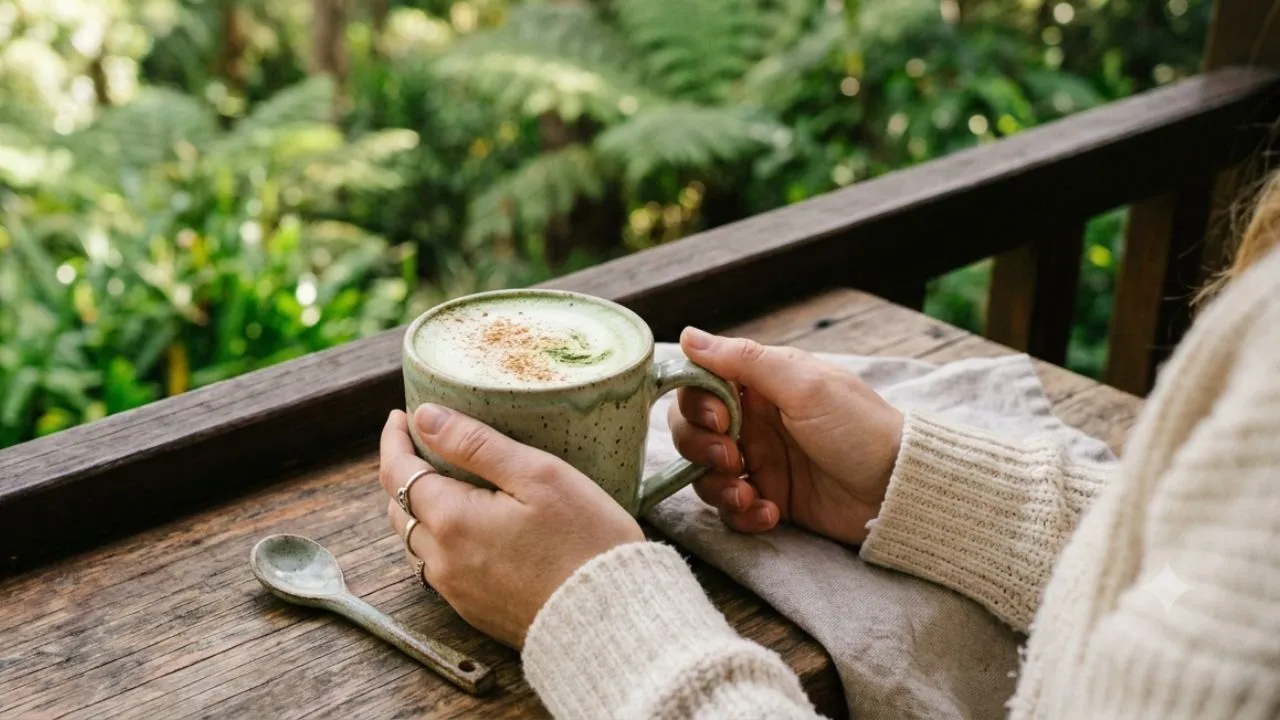
Matcha Tea: What is Matcha Tea? From weight loss to increasing energy, there are many secrets hidden here, you will be surprised.

What is Matcha Tea: Matcha tea production has started in Assam. Matcha tea produced in Assam was auctioned for the first time. The auction of this Japanese green tea took place on Friday at the Guwahati Tea Auction Centre. About 5 kilograms of matcha tea was auctioned, which fetched Rs 3,000 per kilogram. Matcha is basically a traditional Japanese green tea and is different from ordinary green tea.
Assam Chief Minister Himanta Biswa Sarma on Friday said the state will sell ‘matcha tea’ commercially in India. Has become the first state to produce. He said that this is an important sign of diversification of Assam’s world famous tea industry. In a post on social media platform X, the Chief Minister said the first commercial production of matcha tea has started at Chhota Tingrai tea garden in Tinsukia district.
Chief Minister Sarma further said that your favorite matcha tea will now be made in Assam. Taking forward our glorious tea heritage, Assam has become the first state in India to commercially produce Matcha tea at Chhota Tingrai Tea Garden in Tinsukia.
Major benefits of matcha tea
- Matcha tea is rich in antioxidants (EGCG).
- Helps in maintaining constant energy and focus without any nervousness or restlessness.
- Helps in weight loss by increasing metabolism.
How is matcha tea made?
Matcha is a special type of Japanese green tea. Matcha is a unique variety of green tea made from the leaves of the Camellia sinensis plant. A few weeks before harvesting, the plants are grown in the shade. The leaves are then dried, their stalks are removed, and finally, they are ground in a stone mill into a very fine powder. How matcha is whipped and prepared in the traditional Japanese way.
Also read – explainerCalcutta Stock Exchange once used to compete with Mumbai’s BSE, how did a scam wipe out the empire?
Although matcha and green tea both come from the same plant (Camellia sinensis), there are significant differences in the way they are cultivated, processed, and consumed. The main difference is that in green tea, the leaves are soaked in water and then filtered, whereas in matcha, the leaves are ground into a powder, which is mixed with water and drunk whole.

Comments are closed.