
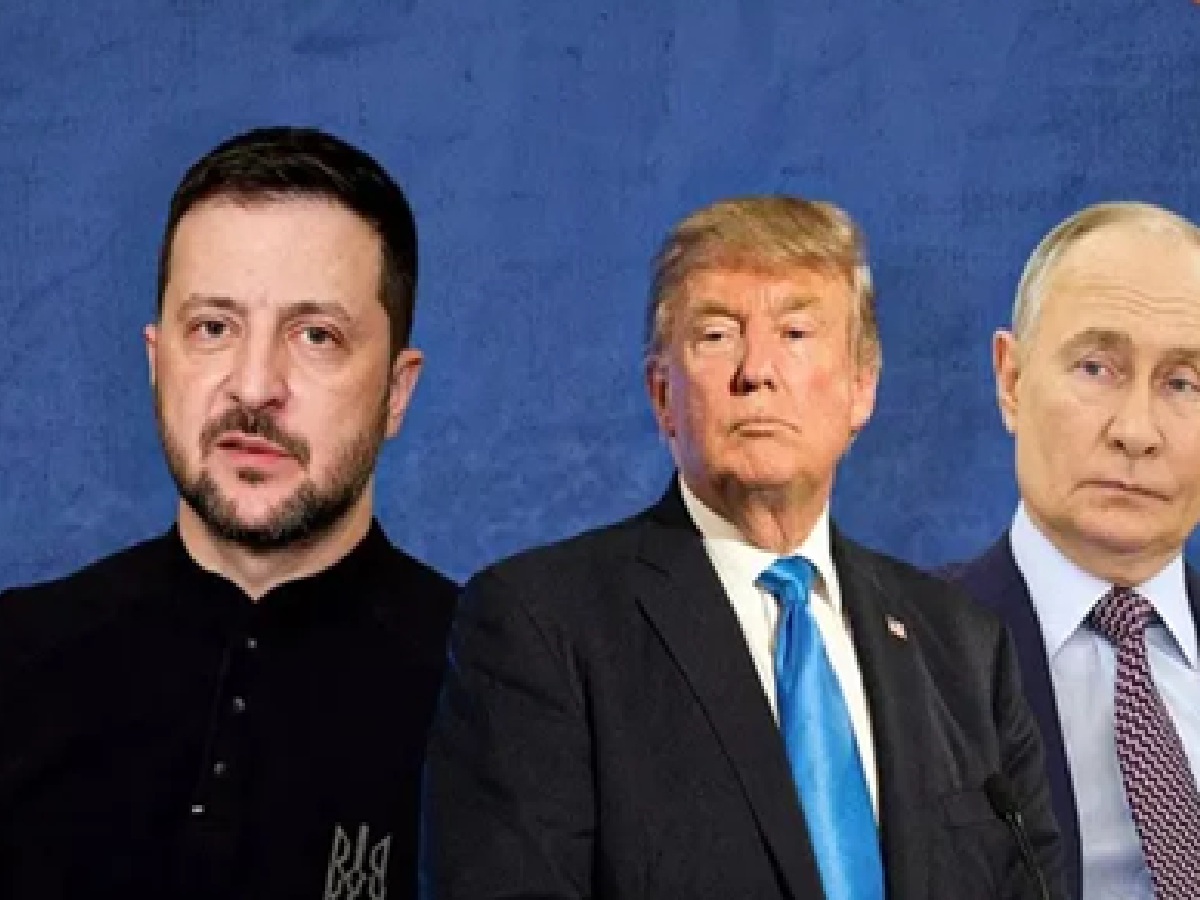

In a significant diplomatic development coinciding with the 250th anniversary of American independence, Russian President Vladimir Putin and Ukrainian President Volodymyr Zelenskyy have held separate, high-level telephone discussions with U.S. President Donald Trump. These conversations, which lasted approximately 90 minutes, focused primarily on finding a viable pathway to end the protracted Russia-Ukraine war. The dialogue signals a renewed international effort to establish peace, with President Trump explicitly expressing his desire to see an end to the hostilities and a restoration of stability in the region.
The Ankara Summit: A Crucial Face-to-Face Meeting
The momentum generated by these phone calls is expected to carry into the upcoming NATO summit in Ankara, Turkey, this Saturday. President Zelenskyy has confirmed that he will utilize this platform to further deliberate on peace efforts with President Trump. While the Kremlin has characterized the communication with the U.S. leadership as “positive,” the diplomatic theater remains complex. As the fourth such conversation between the parties this year, these talks underscore an urgent, concerted push to bridge the gap between Moscow and Kyiv under the auspices of American mediation.
Escalating Tensions: The Crimea Flashpoint
Despite the optimism surrounding peace talks, the conflict on the ground remains volatile. A recent Ukrainian strike on the Russian-occupied Crimean Peninsula resulted in at least one fatality and multiple injuries, highlighting the fragile state of the theater. The Crimean Peninsula, under Russian occupation since 2014, has been a frequent target of Ukrainian military operations, alongside the nearby Russian region of Krasnodar. This tactical escalation continues to challenge the feasibility of a swift ceasefire.
Fuel Scarcity and the Civilian Impact
The ongoing military pressure has triggered significant logistical disruptions, specifically regarding energy supplies in Crimea. For the past two weeks, the region has been grappling with a severe petroleum shortage, forcing local authorities to ration fuel. Supplies of petrol, diesel, and gas are currently being reserved exclusively for essential services. This domestic strain serves as a stark reminder of the broader human and economic cost of the conflict, reinforcing the pressure on all involved leaders to prioritize a durable political solution over sustained kinetic warfare.

Comments are closed.