
Why Is India Building Strategic Natural Gas Storage? Here’s How It Could Strengthen Energy Security During Emergencies

India is moving to shore up its energy security after recent geopolitical tensions highlighted the country’s continued vulnerability to fuel import disruptions. The government has begun work to establish the country’s first strategic natural gas storage system, a BusinessLine report said. Public sector oil companies are examining various storage options. The move is being seen as a response to the West Asia conflict exposing risks to supplies of LNG and LPG and policymakers rethinking how India can secure critical energy supplies in times of emergency.
Why does India need strategic natural gas storage?
India already has strategic reserves of crude oil to act as a buffer against disruptions in oil supplies. It does, however, not have a reserve dedicated to natural gas but is heavily dependent on imported liquefied natural gas (LNG).
Almost half of India’s natural gas requirement is met through imports, with more than half of its LNG and LPG imports coming from the Middle East Gulf. Any disruption in this region – whether geopolitical tensions, conflict or shipping bottlenecks – can affect the availability of fuel to industries, power generation, fertiliser plants and city gas distribution networks.
The recent tensions in West Asia were a reminder that dependence on uninterrupted imports carries serious risks. Thus, strategic gas storage is considered an important step towards making India’s energy supply chain more resilient.
What is the government doing?
Public oil and gas companies are starting to look at different technologies and locations to store natural gas.
Engineers India Ltd (EIL) is conducting feasibility studies, as Indian Strategic Petroleum Reserves Limited (ISPRL) is currently only managing crude oil reserves and has no expertise in underground gas storage.
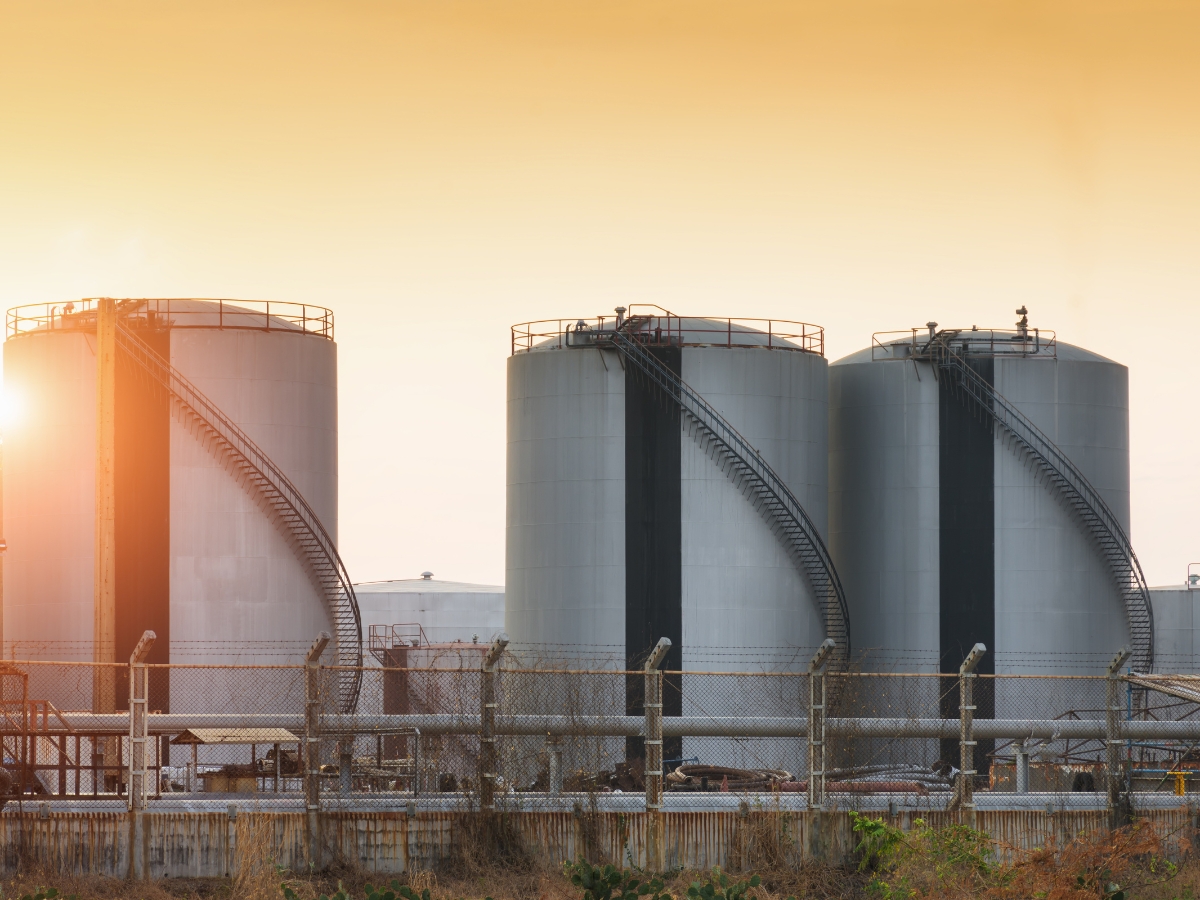
Officials are considering various storage options, including underground salt caverns, depleted natural gas fields and above-ground cryogenic LNG storage tanks near regasification terminals.
The Ministry of Petroleum has also constituted a committee to explore options for storage of both LNG and LPG. The government’s Empowered Groups of Secretaries are also looking at short-, medium- and long-term measures to address potential disruptions to trade, logistics and fuel supplies.
How would strategic gas storage help in emergency situations?
Unlike crude oil, natural gas cannot be stored for long periods in normal tanks. It requires dedicated infrastructure that allows gas to be stored safely and accessed quickly when needed.
In case of supply disruptions, holding a strategic reserve would give India several advantages:
- It would keep fuel supplies full even if LNG cargoes are delayed.
- Shield fertiliser, power and industrial sectors from sudden shortages.
- Reduce the need for emergency purchases at very high world prices.
- Enhance energy security during periods of geopolitical tension or disruptions in shipping.
- Allow the government time to respond to supply shocks without inducing immediate market panic.
Strategic storage is, in short, an emergency fuel reserve to be used when there’s a temporary disruption of imports.
Which sectors will benefit?
Several key sectors of the economy would benefit from a more secure gas supply.
Fertiliser makers: Fertiliser’s key raw materials – urea and ammonia – are produced from natural gas. Steady supplies prevent production disruptions.
City gas distributors: CNG and piped natural gas (PNG) suppliers will have more protection against sudden shortages of supply.
Power producers: Gas-fired power plants would be able to operate during import disruption.
Industrial users: Industries that use natural gas, such as steel, ceramics, glass and food-processing, would be less vulnerable to supply disruptions.
Will this impact the LNG market?
The construction of storage facilities could take years, but in the long run, it may change India’s role in the global LNG market.
With dedicated storage capacity India will no longer need to depend on “just-in-time” imports. Instead, India could buy LNG when international prices are relatively low, store it, and draw down those reserves when prices spike or supplies are constrained.
The strategy can help India to have more flexibility in LNG purchases, encourage long-term investments in LNG infrastructure, reduce vulnerability to sharp price hikes and improve India’s negotiating position in long-term supply deals.
India’s buying trends could also have long-term implications on regional LNG demand and pricing across Asia.
What this means for India’s energy future
India’s decision to construct its first strategic natural gas storage system is part of a broader change in energy planning. With the country using more natural gas but still relying on imports, building emergency reserves has become an important part of shoring up energy security.
The project is still at the feasibility stage but it is a sign that India is gearing up for a future where geopolitical tensions, supply chain disruptions and volatile energy markets are likely to become more frequent. Strategic gas storage, when successfully deployed, can provide a further layer of protection for industries, consumers and the broader economy in future energy emergencies.
Also Read: OPEC+ To Add 188,000 Barrels Per Day From August — Will More Supply Cool Global Crude Oil Prices?
Priyanka Roshan is a business writer and assistant editor at the NewsX website who tracks everything from stock market swings and corporate earnings to personal finance trends and policy shifts. Known for turning fast-moving business developments into sharp, reader-friendly stories, she combines speed, accuracy, and a data-driven approach to break down complex financial news for everyday audiences.
With over 9.5 years of newsroom experience, Priyanka has worked with leading media organisations, including Bussiness, Times Now, and Ping Digital, covering diverse beats such as business, politics, technology, auto, travel, sports, and the world. From live breaking news desks to SEO-led digital storytelling, she specialises in creating engaging content that keeps readers informed without overwhelming them.
The post Why Is India Building Strategic Natural Gas Storage? Here’s How It Could Strengthen Energy Security During Emergencies appeared first on NewsX.

Comments are closed.