
The Surprising Reason Why Scientists Are Placing Underwater ‘Boomboxes’ In Jamaica’s Coral Reefs

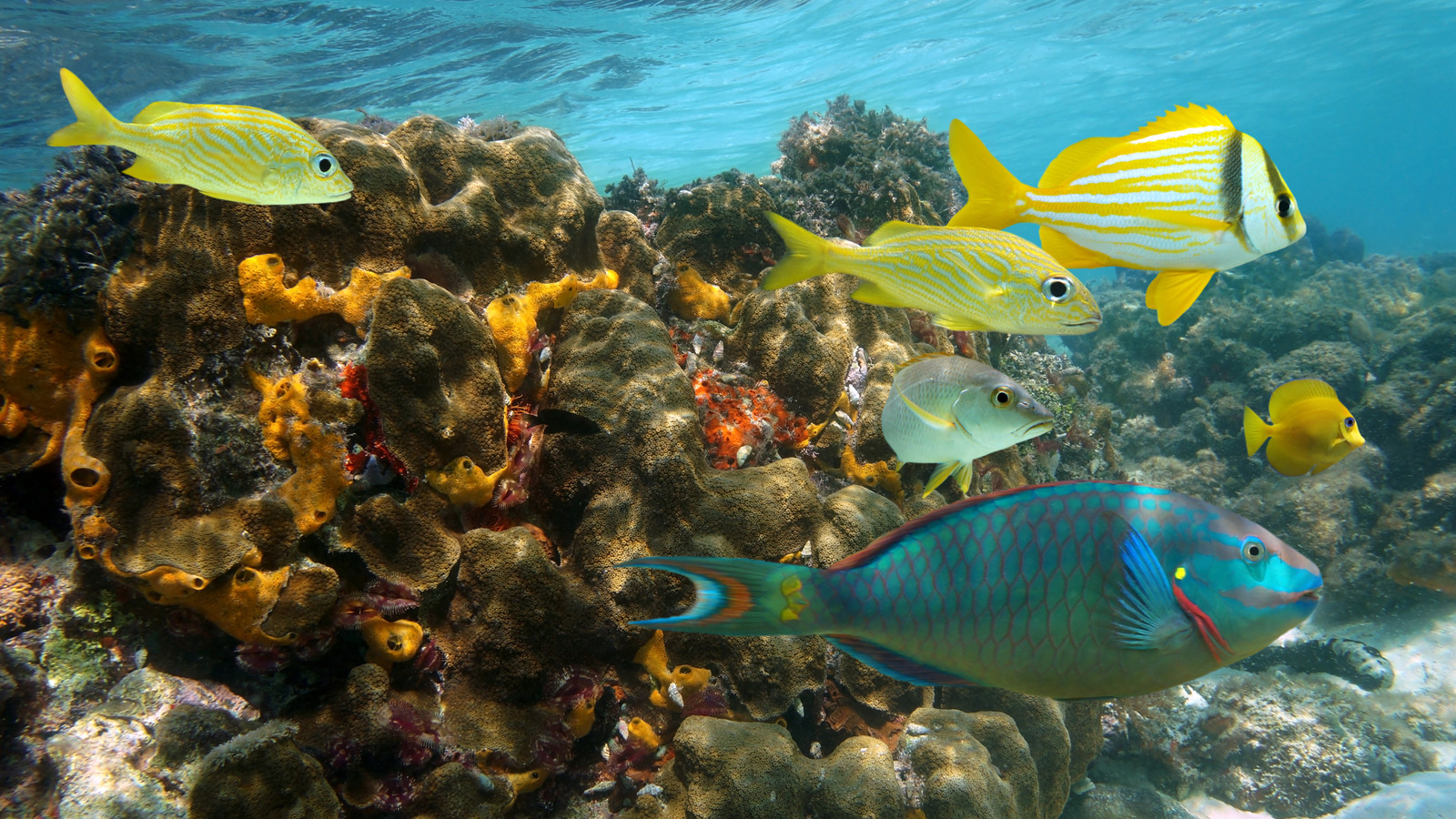
Rising sea temperatures and periods of extreme heat have caused the bleaching of coral reefs all over the world, and Jamaica’s reefs were hit by a particularly significant bleaching event in 2023. Scientists and researchers watched in horror as corals died after losing the algae that they needed for their survival, but there was nothing they could do to stop it. In the space of just a few weeks, reefs around the country went from being lively, noisy habitats for numerous species to being deathly quiet.
Events like these cause catastrophic long-term damage, but scientists still haven’t given up hope on regenerating the reefs. They’re now betting on an unusual method to help speed up the recovery process: underwater speakers that play the sounds of a healthy reef. The process, first detailed by Climate Centralinvolves recording the sounds of healthy reefs in other areas, where fish, crustaceans, and other inhabitants all generate a unique soundtrack.
This soundtrack is then played through a loudspeaker that’s placed within the degraded reef, and it can help attract fish and coral larvae back to the area. Multiple studies have shown that these soundtracks can make a difference, with one study published in the Nature journal finding that juvenile fish were significantly more likely to settle on degraded reefs if the loudspeakers were playing a recording of a healthy reef.
Studies have shown that loudspeakers are effective
The Nature study took place on the Great Barrier Reef off the coast of Australia, and focused on observing the differences between numbers of juvenile fish on degraded reefs that played a healthy reef soundtrack, versus those that didn’t. Meanwhile, other studies have suggested that the soundtrack might be able to attract certain species of coral larvae, albeit only during a narrow window in their lifecycle.
Research carried out by the Woods Hole Oceanographic Institution found that golfball coral larvae, placed in cups on reefs in the U.S. Virgin Islands, were more likely to settle if they were played a healthy reef soundtrack through a waterproof underwater speaker. However, it only worked during the first portion of their larval stage. Later on, they proved to be a lot less choosy, and the soundtrack didn’t make a notable difference. The results suggested that targeting certain species during specific periods could help maximise the effect of the loudspeakers, although further research is still needed to get a broader picture of exactly which species are most responsive to the audio signals and when.
The findings from these and other studies will all help shape the exact methods scientists use when they’re deploying reef loudspeakers in the future, but the overall message seems clear. Fish and coral can indeed be influenced by the presence of underwater boomboxes playing what they want to hear, but boomboxes alone aren’t going to be enough to fix the damage done during mass bleaching events.
Scientists are also employing other reef restoration techniques in Jamaica
As well as installing loudspeakers, Climate Central reports that researchers in Jamaica are also growing coral fragments to help repair the reef. Researcher Bethany Dean at the Alligator Head Foundation says that developing ways to help coral reproduce was another important way to boost the chances of recovery, since natural reproduction was slowing.
The coral fragments she grows in the lab will eventually be placed onto artificial reefs that are based around sculptures created by Italian artist Marco Barotti. Barotti adds that the current project is “very different from everything I did before,” but that “sound has always been at the core of my work.” For now, whether or not this combination of coral, sculptures, and artificial noise will be enough to successfully regenerate the reefs remains an open question.
Climate change has damaged plenty of other habitats alongside coral reefs, although nature continues to show a remarkable ability to recover in other places. To take just one example, scientists monitoring deforestation with satellites found that the surprisingly simple strategy of leaving them to regenerate unassisted was enough to significantly increase forest cover over time. Although coral reefs have needed scientists to take a more active approach to regeneration than rainforests, there’s still a chance that they’ll be able to rebound with the right assistance.

Comments are closed.