
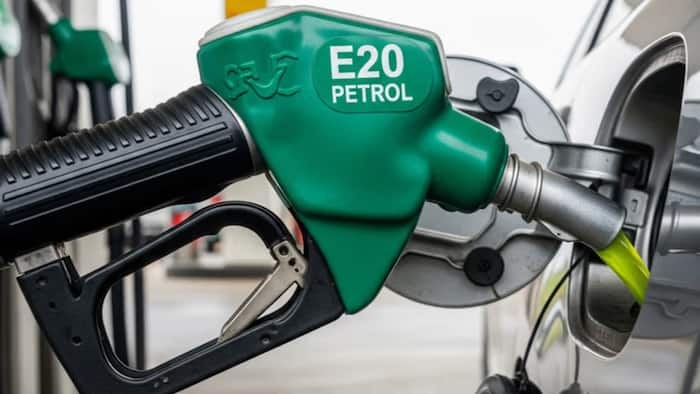

The Ministry of Petroleum and Natural Gas (MoPNG) has officially broken its silence on the raging controversy surrounding India’s E20 petrol exports to Bhutan. Addressing widespread media reports claiming that the Himalayan nation rejected India’s ethanol-blended fuel, the Indian government issued a definitive fact-check, stating that “no such offer was made” in the first place.
Government Calls Out False Reports on India-Bhutan Energy Trade
The rumours gained momentum after regional reports suggested India’s Oil Marketing Companies (OMCs) had approached Bhutan with a proposal to supply E20 petrol—a fuel blend containing 20% ethanol. Clarifying the diplomatic and trade stance, the MoPNG firmly dismissed the claims as entirely baseless. Officials confirmed there are no active proposals or operational plans to export E20 petrol to Bhutan. They asked stakeholders and the public to rely only on official communications from verified ministry channels and OMCs.
The Storage Crisis: Why Experts Questioned Bhutan’s Fuel Readiness
The controversy was initially ignited by a report in The Bhutanese highlighting structural limitations in Bhutan’s fuel distribution network. According to the publication, local officials had raised technical reservations regarding E20 petrol, focusing heavily on its chemical properties. Ethanol is highly hygroscopic, meaning it aggressively absorbs moisture from the surrounding environment. Industry experts pointed out that Bhutan’s current fuel storage infrastructure is not technically equipped to handle the strict moisture-control protocols required for high-blend ethanol fuels.
Mountainous Terrain Poses Unique Challenges for Ethanol Blends
Managing ethanol-blended fuel becomes exceptionally complex in high-altitude environments. A significant portion of Bhutan’s fuel storage depots is located across rugged, mountainous terrain, where fluctuating temperatures and high humidity accelerate moisture ingress. If water penetrates the storage tanks, a process called phase separation occurs, causing the ethanol and petrol to split into distinct layers. This degradation not only spoils the fuel quality but can also cause severe, long-term engine damage to standard vehicles, making safe storage a major logistical hurdle for the landlocked nation.

Comments are closed.