
PM Modi’s Indonesia Visit: A Strategic Shift Toward Digital Infrastructure and Defence Ties:

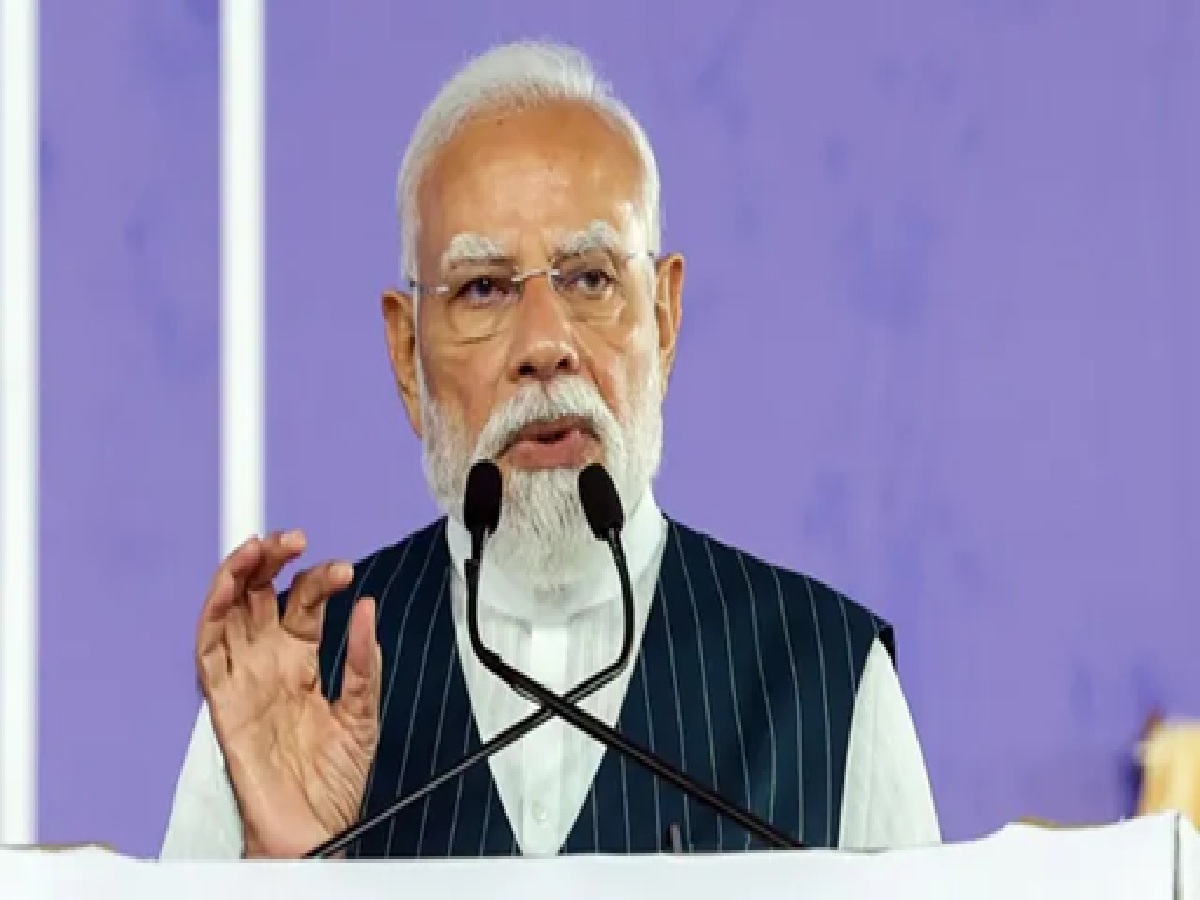
Prime Minister Narendra Modi is set to embark on a pivotal three-day visit to Indonesia, marking a transformative chapter in India-Indonesia bilateral relations. As the two nations seek to elevate their strategic partnership, the high-level talks are expected to focus on a comprehensive roadmap covering digital public infrastructure, defence manufacturing, and the critical mineral supply chain. This diplomatic outreach aims to move beyond traditional cooperation, fostering an institutional synergy that aligns with the developmental goals of both emerging economies.
Revolutionizing Cross-Border Payments: UPI Meets QRIS
A major highlight of the visit is the anticipated formalization of a digital payments linkage agreement between India’s Unified Payments Interface (UPI) and Indonesia’s QRIS. This integration is designed to streamline financial transactions, offering a seamless, cost-effective, and rapid payment experience for the millions of Indian tourists flocking to Bali and other Indonesian hubs. Beyond tourism, this move is poised to act as a significant catalyst for small and medium-sized enterprises (SMEs), reducing friction in trade and fostering deeper economic integration between the two maritime neighbors.
The Rise of the Digital Nusantara: Exporting India’s Tech Blueprint
Indonesia’s ambitious ‘Digital Nusantara’ initiative stands as a testament to the growing influence of India’s digital success stories. Inspired by India’s robust frameworks like [Aadhaar Redacted]UPI, and the Open Network for Digital Commerce (ONDC), the Indonesian government is rapidly modernizing its service delivery. A landmark moment during the summit between PM Modi and President Prabowo Subianto on July 7 will be the first live transaction of Indonesia’s Open Network (ION). This project is set to empower over 65 million Indonesian entrepreneurs by creating a high-efficiency, low-cost digital marketplace, further solidified by the active participation of Indian tech firms in building Indonesia’s next-gen infrastructure.
Expanding Social Welfare and Healthcare Partnerships
The collaboration is extending into the grassroots level, with Indonesia drawing significant inspiration from India’s welfare architecture. The implementation of a free nutritious meat program, modeled after India’s PM Poshan (Mid-Day Meal) scheme, underscores a shared commitment to addressing malnutrition. Furthermore, the two nations are exploring the ‘Jan Aushadhi’ model to enhance the affordability and accessibility of essential medicines in rural Indonesian regions, proving that the bilateral partnership is increasingly centered on human-centric development.
Deepening Defence Cooperation and Strategic Security
Defence remains a cornerstone of the strategic dialogue, with discussions centered on technology transfer, military training, and joint maritime security exercises. Drawing on the successes of India’s ‘Atmanirbhar Bharat’ initiative in indigenous defence production, New Delhi and Jakarta are exploring long-term collaborative opportunities. Advanced systems, including the BrahMos missile program, are reportedly on the agenda as both nations aim to bolster security in the Indo-Pacific region through capacity building and a shared vision for a stable maritime environment.
Securing the Future: Collaboration on Critical Minerals
As the global transition toward electric vehicles and green energy accelerates, the focus has shifted toward critical minerals. Indonesia, holding the world’s largest reserves of nickel, is looking to transition from raw material exports to domestic value addition. This shift creates a strategic opening for India, which is actively seeking secure, reliable supply chains for minerals essential to modern manufacturing. By aligning Indonesia’s resource wealth with India’s industrial capabilities, the two countries are positioning themselves to play a decisive role in the global supply chain, ensuring mutual growth and technological self-reliance.

Comments are closed.