
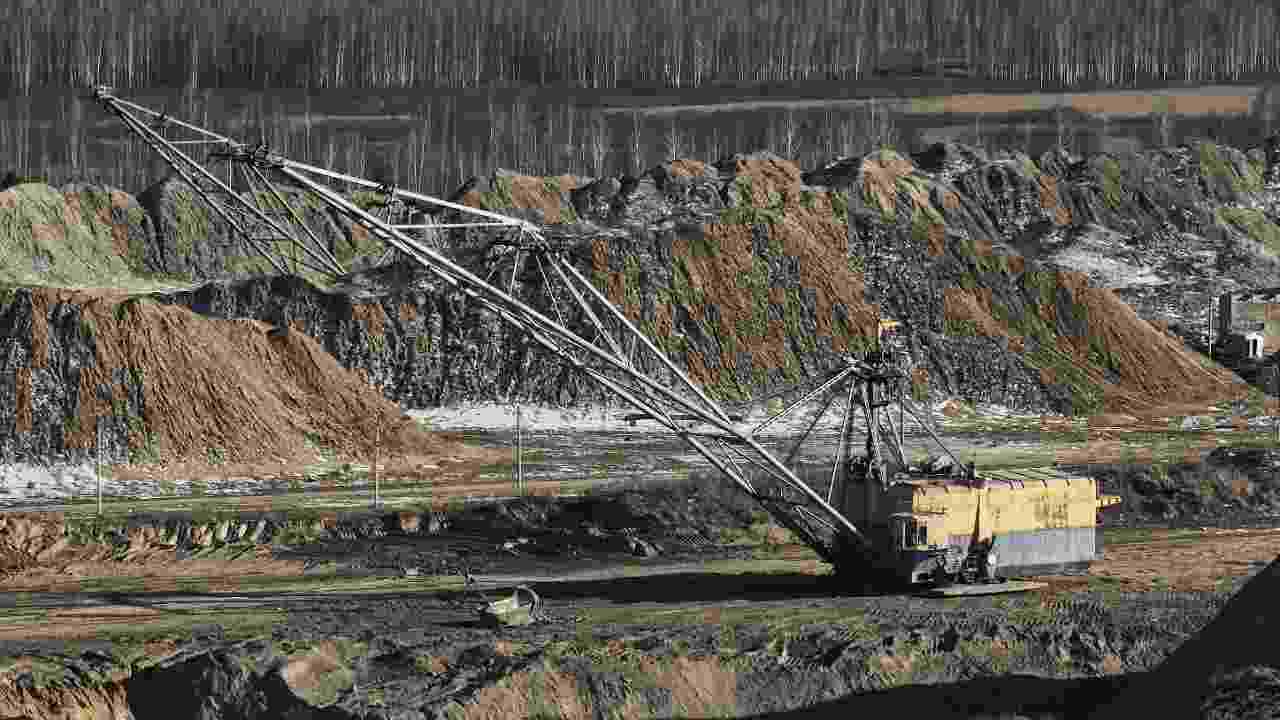

The Narendra Modi government’s ambitious blueprint to secure India’s energy future has just run into a major roadblock. In a surprising turn of events, the Ministry of Mines was forced to scrap the auction of nine critical and strategic mineral blocks. The culprit? An unexpected wave of poor investor interest has left policymakers scrambling.
Out of the blocks offered in the seventh round of auctions, two strategic blocks received absolutely zero bids. In contrast, seven others failed to attract even the minimum requirement of three technically qualified bidders. Under strict government rules, we can’t proceed with such low participation, so we’re cancelling the auctions for these sites.
Which Strategic Mineral Blocks Failed to Attract Buyers?
The lack of enthusiasm from India Inc spans across multiple resource-rich states. The two blocks that went completely ignored by investors were the Majhauli Titanium, Vanadium, and Aluminous Laterite Block in Madhya Pradesh, and the high-profile RAMB Degana Tungsten, Lithium, and Associated Minerals Block in Rajasthan.
Additionally, seven other blocks containing vital reserves of glauconite, vanadium, and graphite across Bihar, Chhattisgarh, and Odisha had to be pulled from the hammer because they couldn’t secure enough qualified bidders to keep the competition alive.
A Worrying Trend: History Repeats Across Seven Auction Rounds
This isn’t an isolated hiccup for India’s mining sector; it is part of a recurring and worrying trend. Domestic giants have repeatedly ignored the government throughout previous phases. A look at the numbers reveals persistent investor hesitation, with 13 blocks cancelled in the first phase, 14 in the second, 3 in the third, 11 in the fourth, 5 in the fifth, and 11 in the sixth phase. This ongoing reluctance clearly signals that Indian corporate houses are deeply hesitant to commit heavy capital to domestic critical mineral exploration just yet.
The High Stakes of India’s Heavy Reliance on China
The timing of this setback is particularly painful for India’s manufacturing ambitions. Critical minerals like lithium, titanium, and tungsten are the absolute lifeblood of next-generation industries, including electric vehicles (EVs), advanced battery storage, renewable energy infrastructure, defence tech, aerospace, and semiconductor fabrication.
Currently, India relies overwhelmingly on imports to meet its demand for these minerals, leaving its supply chains highly vulnerable to global geopolitical tensions and price volatility. To put the gravity of the situation into perspective, data show that China alone accounts for over 56.3% of India’s total critical mineral imports by value, based on the Ministry of Mines’ official list of 30 strategic minerals. Breaking this dependency is vital for India’s economic sovereignty, but doing so will require addressing whatever is keeping domestic investors at bay.

Comments are closed.