

OPPO and OnePlus are gearing up for their next major software cycle, with ColorOS 17 and OxygenOS 17 expected to arrive on top of Google’s Android 17. Since the two brands share a codebase under parent company BBK Electronics, their updates have historically looked and felt alike, and early leaks suggest this cycle will be no different.
The Headline Feature: A Liquid Glass Makeover
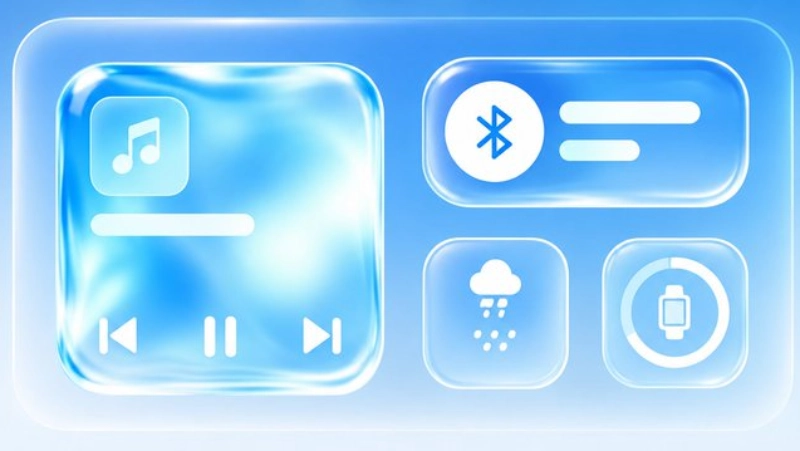
The biggest talking point around ColorOS 17 is its adoption of a glassy, translucent aesthetic, riding the same design wave that Apple started with Liquid Glass on iOS 26. OPPO is said to be branding its version “liquid acrylic,” positioning it as a more battery-friendly and readability-focused take rather than a straight copy.
| Feature | ColorOS 17 / OxygenOS 17 Upgrade |
| UI Design | Liquid Glass UI |
| Animations | Dynamic lighting animations |
| Visual Consistency | Improved blur effects and unified rounded corners |
| Performance Engine | Aurora Rendering Engine |
| Battery Life | Up to 13% better battery life |
| Gaming Experience | Cooler gaming with 3–6°C lower temperatures |
| AI Features | Smarter AI with real-time translation and enhanced privacy protection |
| Multitasking | Improved multitasking capabilities |
| Cross-Device Integration | Better cross-device experience and connectivity |
Optimization and Performance Enhancements
OPPO and OnePlus are also reportedly refining garbage collection and animation rendering to reduce micro-stutters, frame drops, and app reloads. Combined with optimizations for idle power consumption, these changes suggest that the focus of the update will be delivering a faster, more stable, and more efficient user experience rather than relying solely on new features.
Privacy and AI Features inherited from Android 17
Android 17 is set to bring several new privacy and AI features to both skins, including a native app lock accessible from the home screen, floating bubble windows for any app, and an upgraded screen recorder with a floating controller and real-time annotation tool. Privacy gets a boost too, with clearer indicators for camera, mic, and location use, plus the ability to share only select contacts with an app instead of the whole address book.
Users will also be able to hide app names on the home screen for a cleaner look, and the platform brings smarter AI features, including improved voice assistant capabilities, deeper personalization, and tighter integration with Google services such as Assistant and Photos.
Likely Devices to Receive ColorOS 17 & OxygenOS 17
Neither OPPO nor OnePlus has released an official eligibility list yet. The following is based on current software update policies and support commitments
| Brand | Best-Supported Models |
| OPPO | Find N2/N3/N5/N6, Find X8/X9 Series |
| OnePlus | OnePlus 11–15 Series, OnePlus Open, Nord 4–6, Nord CE5/6 |
ColorOS & Oxygen OS merger rumors
A report from Smartprix claims that Oppo is restructuring its global software strategy and is planning to discontinue OxygenOS and Realme UI globally, putting all three brands on ColorOS.
OPPO’s parent company, BBK Electronics, has been steadily consolidating its brands behind the scenes for several years. In January 2026, Realme was officially brought under the OPPO umbrella as a sub-brand. A few months later, in April, OnePlus and Realme integrated their internal operations under a shared management framework. Against this backdrop, the move toward a unified software platform is a natural and expected progression.
What can we really expect?
While ColorOS 17 and OxygenOS 17 are shaping up to be visually striking updates, the bigger story may be the focus on refinement rather than reinvention. The rumored redesign introduces a more modern, glass-inspired interface with richer animations, deeper transparency effects, and new customization tools, while the underlying optimizations aim to deliver smoother performance, better multitasking, and improved battery efficiency.
That said, all of these details are based on leaks, developer beta observations, and industry reports rather than official announcements. Features, device eligibility, and rollout timelines could change before launch.

Comments are closed.