
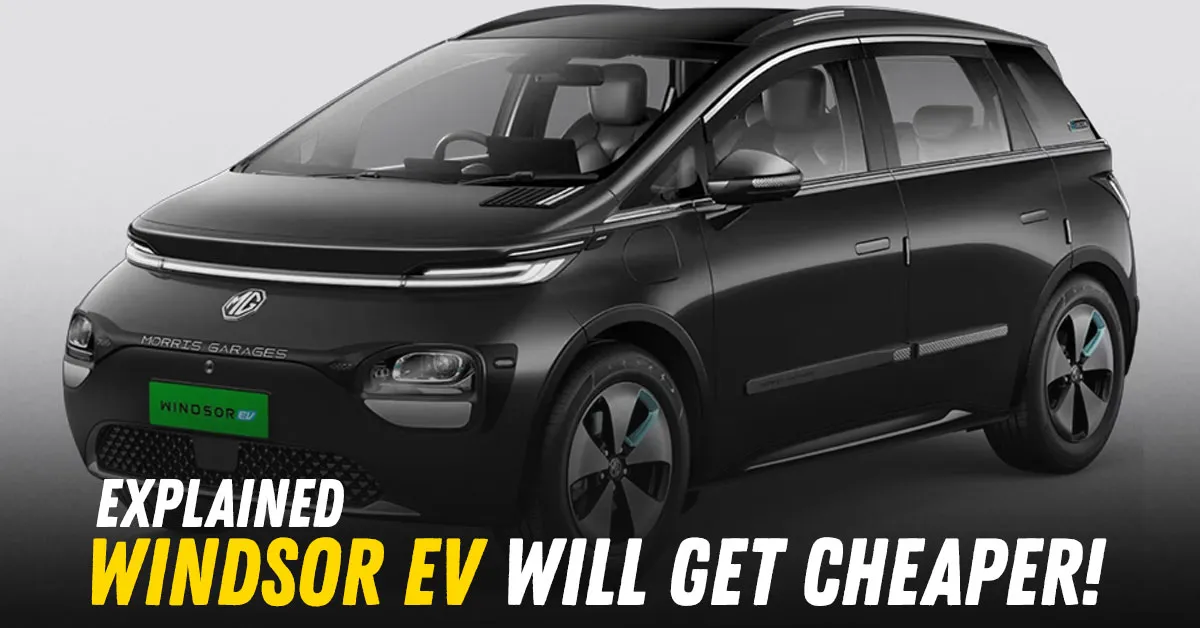

The MG Windsor has been a massive success in India. In under two years of launch, it has sold over 75,000 units here. Sharp pricing has played a key role in its success. In the coming months, it will get cheaper as MG is planning to increase localisation in its manufacturing, significantly.
Mg has placed the Windsor EV strategically in the Indian market. It is available in two distinct versions- the standard Windsor and the Windsor Pro (long range version). The Windsor range starts at Rs 14.7 lakh and goes up to Rs 18.99 lakh for the range-topping Windsor Pro variant, both ex-showroom. This places it at the centre of one of India’s EV segments with the highest demand. This price bracket currently has several models with high adoption rates.
Value has always been the Windsor EV’s success mantra. It offers generous cabin room, a long list of features, good ride quality and a reliable powertrain at an accessible price range. For the customer, a Windsor is great value for their money.
In our market, it competes primarily with the Tata Nexon.EV, currently priced in the range of Rs 12.49 lakh- Rs 17.69 lakh. Clearly, the Nexon.EV has a slight price advantage. The upcoming revision in Windsor’s pricing will likely address the same.
JSW MG Motor India has already announced its intention to increase the localisation levels in Windsor EV to 70%. This move could bring major savings in manufacturing costs, a part of which will be passed on to the consumer in the form of a price cut. The extent of this price reduction remains unclear for now. In the larger picture, this move will make one of India’s fastest-growing electric vehicles even more accessible. Lower upfront costs will only increase the EV’s adoption.
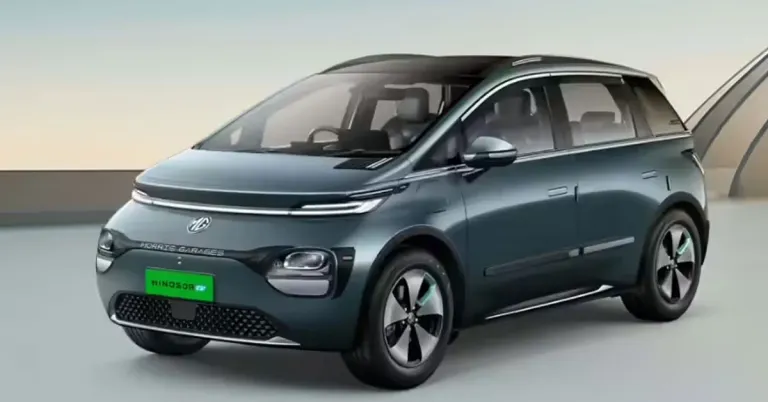
The EV industry relies heavily on imported components- particularly cells, electronics and some other components of the powertrain. These imports often incur high logistics costs, and import duties. If these are sourced locally, the car company can save on these expenses.
MG’s latest plan is to take Windsor’s localisation beyond 70 percent. This will reduce import-dependency significantly. More localised components essentially mean lower production costs and better control over pricing. More importantly, the product will then be less vulnerable to global supply chain disruptions and cost fluctuations.
Battery cells remain the biggest challenge in the localisation journey. India’s battery manufacturing ecosystem is still very young. Large-scale local production isn’t mature yet. MG may thus have to depend partly on imports on this front.
MG Motor India sold 70,554 vehicles in 2025. It needs to increase volumes significantly to record a double-digit growth rate in 2026. The Windsor is MG’s trump card here. Reducing cost pressures and ensuring supply stability with 70%+ localisation will enable the carmaker to keep producing the Windsor at scale. This is the business side of things.
Once these plans go through, the Windsor will have more localisation than models like the Comet (which has 61% localisation) and the Hector (which is around 50% localised). It will even become MG’s most localised and cost-efficient product.
MG will not hesitate to pass on the cost benefits to buyers. Since its debut, the company has taken special care to price the Windsor sharply. It won’t miss an opportunity to make it more affordable and better value-packed.
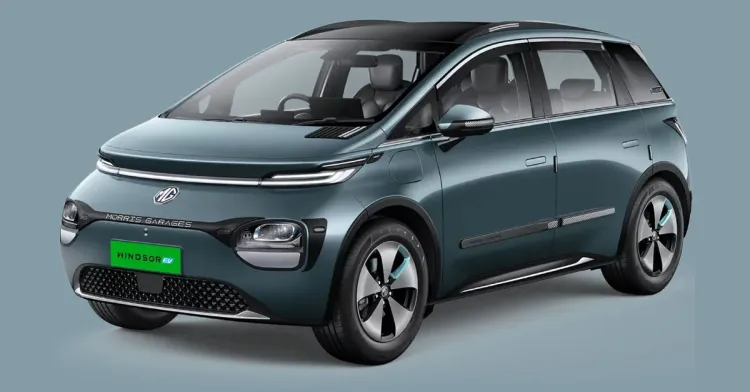
News of a possible price-cut comes at a time when Windsor has been performing incredibly well in sales. In just 21 months, it has sold over 75,000 units. In June alone, 4,056 Windsors were retailed. In general, the Windsor numbers average at around 3700 units. This strong acceptance can in a way, facilitate the price reduction. It will allow MG to negotiate better with suppliers, spread costs more efficiently and invest more in local manufacturing.
MG has committed between Rs 3,000 crore and Rs 4,000 crore for the large-scale localisation of the Windsor EV. These funds will be used to build a more robust ecosystem of domestic suppliers and ensure optimal quality and consistency.
Comments are closed.