
If You Strike, You’ll Get Hit: Iran warns US, says Hormuz will not open under ‘American threats’

Tehran: Tensions between Iran and the United States have intensified after Tehran warned Washington of retaliation following fresh US military strikes. Iranian Parliament Speaker Mohammad Bagher Ghalibaf said the Strait of Hormuz would operate only under Iran’s terms, rejecting what he described as American pressure.
Iran Issues Strong Warning
Responding to the latest US strikes, Ghalibaf said Washington should no longer expect military action against Iran to go unanswered. “America still hasn’t learned that bullying and breaking promises are no longer cost-free. If you strike, you’ll get hit,” he said.
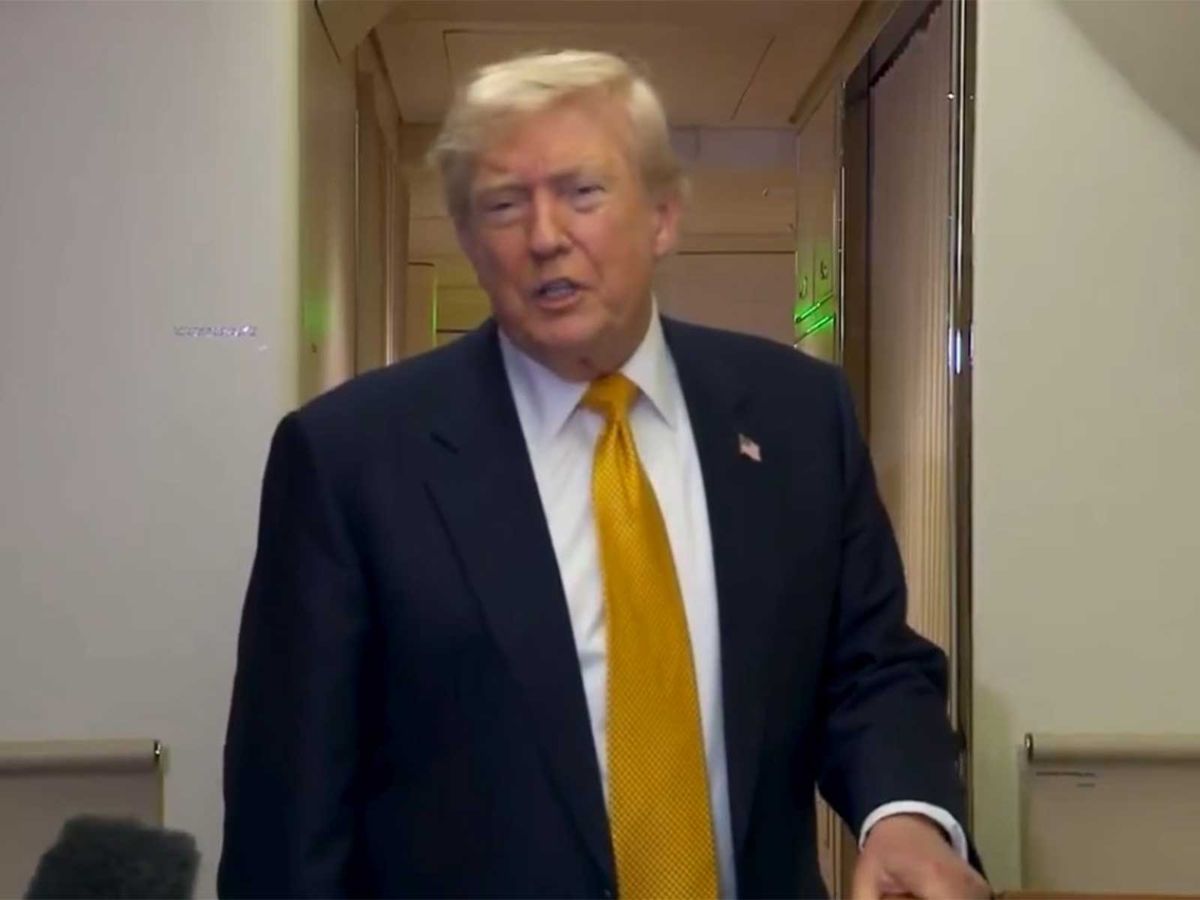
After new strikes, President Trump says Don’t know that Iran is going to honor the deal
He also asserted that the Strait of Hormuz would not reopen under US pressure, adding that Iran would determine the conditions governing the strategic waterway.
US Says Strikes Targeted Iranian Military Capabilities
The warning came after the United States carried out another round of strikes on Iranian targets, saying the operation was intended to reduce Iran’s ability to threaten commercial shipping in the Strait of Hormuz.
The US Central Command (CENTCOM) said it targeted facilities linked to Iran’s military capabilities and accused Tehran of recent attacks on commercial vessels and civilian crews navigating the waterway.
Trump Warns of Stronger Response
US President Donald Trump defended the strikes, describing them as retaliation for attacks on commercial shipping. He warned that any further action by Iran would trigger a stronger military response.
Iran accuses US of violating Hormuz peace agreement after stickes
Trump also claimed that Tehran had recently expressed interest in negotiations but said Washington remained uncertain about Iran’s intentions.
The Strait of Hormuz is one of the world’s most important maritime chokepoints, handling a substantial share of global crude oil and liquefied natural gas exports. Any escalation in the region has the potential to disrupt international shipping, energy supplies and global markets, making developments in the waterway closely watched worldwide.

Comments are closed.