
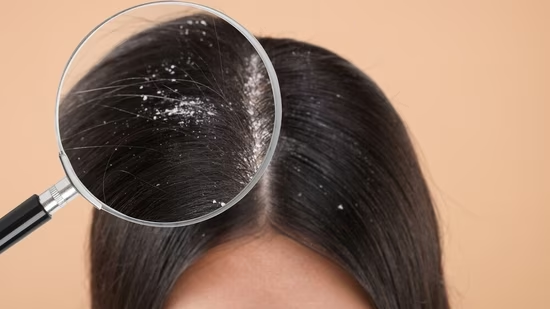

The monsoon season brings relief from the summer heat, but it can also create the perfect conditions for dandruff and an itchy scalp. Many people notice an increase in white flakes, scalp irritation, and persistent itching during the rainy season—even if they rarely experience dandruff at other times of the year.
According to dermatologists, the combination of high humidity, excessive sweating, and increased oil production encourages the growth of a naturally occurring fungus called Malassezia, which plays a major role in dandruff and scalp inflammation.
Why Does Dandruff Increase During the Monsoon?
Everyone naturally has Malassezia on their scalp. Under normal conditions, it doesn’t cause any problems.
However, during the monsoon:
- Humidity rises.
- The scalp produces more oil (sebum).
- Sweat accumulates more easily.
- The scalp remains damp for longer periods.
These conditions allow the fungus to multiply rapidly, triggering inflammation and causing skin cells to shed faster than normal. Instead of falling away invisibly, the dead skin appears as noticeable white or yellowish flakes.
What Is Malassezia?
Malassezia is a naturally occurring yeast that lives on healthy skin.
It feeds on the natural oils produced by the scalp. When it grows excessively due to humidity and oil buildup, it can lead to:
- Dandruff
- Itchy scalp
- Redness
- Flaking
- Seborrheic dermatitis (a more severe form of dandruff)
Signs Your Dandruff May Be Getting Worse
Watch for symptoms such as:
- White flakes on your shoulders
- Persistent itching
- Oily scalp
- Red patches
- Yellowish scales
- Scalp irritation
- Hairline crusting
If these symptoms persist, it may indicate seborrheic dermatitis rather than simple dandruff.
The Gut and Scalp Connection
Dermatologists also point out that overall health can influence scalp conditions.
During the monsoon, dietary changes, frequent consumption of street food, or stomach infections may increase inflammation in the body. In some people, this may worsen scalp inflammation and make dandruff flare up more frequently.
5 Expert Tips to Prevent Monsoon Dandruff
1. Wash Your Hair Regularly
During the rainy season, wash your hair 2–3 times a week to remove:
- Sweat
- Excess oil
- Dirt
- Dead skin cells
Keeping the scalp clean helps limit fungal growth.
2. Use an Anti-Dandruff Shampoo Properly
Choose shampoos containing ingredients such as:
- Ketoconazole
- Zinc pyrithione
- Selenium sulphide
For best results:
- Apply the shampoo to the scalp.
- Leave it on for 3–5 minutes before rinsing.
- Use it twice a week or as advised by your dermatologist.
3. Keep Your Scalp Dry
Avoid leaving your hair damp after getting caught in the rain or after washing it.
Dry your scalp thoroughly using:
- A clean towel
- A hair dryer on low heat
A damp scalp encourages fungal growth.
4. Avoid Heavy Oiling
Applying large amounts of oil directly to the scalp during humid weather can trap moisture and create an environment where Malassezia thrives.
If you oil your hair:
- Apply it mainly to the hair lengths and ends.
- Avoid excessive oil on the scalp.
5. Don’t Ignore Persistent Symptoms
Consult a dermatologist if you notice:
- Severe itching
- Redness
- Thick yellow flakes
- Hair loss
- Symptoms that don’t improve after regular washing and anti-dandruff shampoo
Early treatment can prevent the condition from becoming more severe.
Additional Hair Care Tips for the Monsoon
- Avoid sharing combs or towels.
- Wash pillowcases regularly.
- Eat a balanced diet rich in vitamins and protein.
- Stay hydrated.
- Manage stress, which may worsen dandruff in some individuals.
Final Thoughts
Monsoon humidity creates ideal conditions for dandruff by promoting the overgrowth of Malassezia, a fungus naturally present on the scalp. Regular hair washing, proper use of anti-dandruff shampoos, keeping the scalp dry, avoiding excessive oiling, and seeking medical advice for persistent symptoms can help keep your scalp healthy throughout the rainy season.
Disclaimer: This article is for informational purposes only and should not be considered medical advice. If you experience severe or persistent scalp problems, consult a qualified dermatologist for proper diagnosis and treatment.

Comments are closed.