


The longer, hotter summers Britain is now experiencing as a result of climate change bring an increased risk of many hazards we once associated with holiday escapes to the Med’ or long-haul tropical destinations. Mosquitoes which carry yellow and dengue fever are now found in southern parts of the UK, hospital admissions for spider bites have doubled and the risk of sunburn and dehydration is climbing with record high temperatures and more sunshine.
Last month record temperatures saw the mercury rising to 40C in some parts of Britain with schools closed and people warned not to travel. Plus, allergies are kicking in earlier than ever, disease patterns for respiratory infections and conditions are changing, and niggles such as head-aches, heat-rash and acne can all be exacerbated by warmer temperatures.
And if that’s not enough, to have you looking for a cool dark room to lie down, the latest research has highlighted potential downsides to some go-to solutions – such as DEET-based insecticides. This essential guide to summer survival looks at the latest science and advice, to identify safe and effective strategies for the most common health challenges that summer can bring.
Burning questions
Slop on plenty of sunscreen to avoid this, say experts (Image: Getty)
New research suggests that too much sunlight is harmful because it flips a genetic switch in skin cells and sets off a cascade of inflammation which increases the risk of cancer, and the hope is that this will lead to new ways to prevent and treat skin cancer. But until then, Dr Nisa Aslam says: “This new research underlines the age-old advice to avoid skin damage. This means using a high factor UVA and UVB sunscreen, applying it liberally and re-applying it regularly — because most people don’t use anywhere enough to get the SPF protection the labelling indicates.

Dr Nisa Aslam recommends budget sunscreen with a high protection factor so you can slap it on (Image: Courtesy Dr Nisa Aslam)
“I advise patients to look for a budget brand that’s pleasant to use as you are more likely to apply it liberally. For adults in swimwear or skimpy clothing, aim to use around eight teaspoons of sunscreen per application to ensure adequate protection.”
She adds: “If you are burnt, cool the skin as quickly as possible, drink plenty of fluids and apply a soothing moisturiser or lotion that is free of petroleum, benzocaine or lidocaine as they can trap the heat or cause mild irritation. If it’s painful, apply a mild (0.5% to 1%) hydrocortisone cream for up to 48 hours.
Downsides of DEET
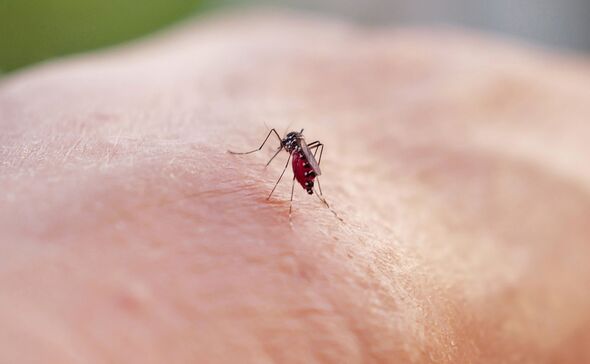
A tiger mosquito bites a person (Image: AFP via Getty)
Travellers are often advised to use a DEET-based insect repellent, but a recent study warns that mosquitoes and other flying insects are learning to like the smell of DEET because they associate it with food – so the latest evidence suggests using it could actually increase the risk of being bitten.
One of the researchers who made the surprise discovery, Professor Claudio Lazzari, from the University of Tours in France, warns: “If a mosquito bites someone who applied DEET to their skin several hours earlier and the concentration of the repellent is too low to repel the mosquito, but still strong enough for the insect to smell it, the mosquito may be more likely to bite people who smell of DEET.”
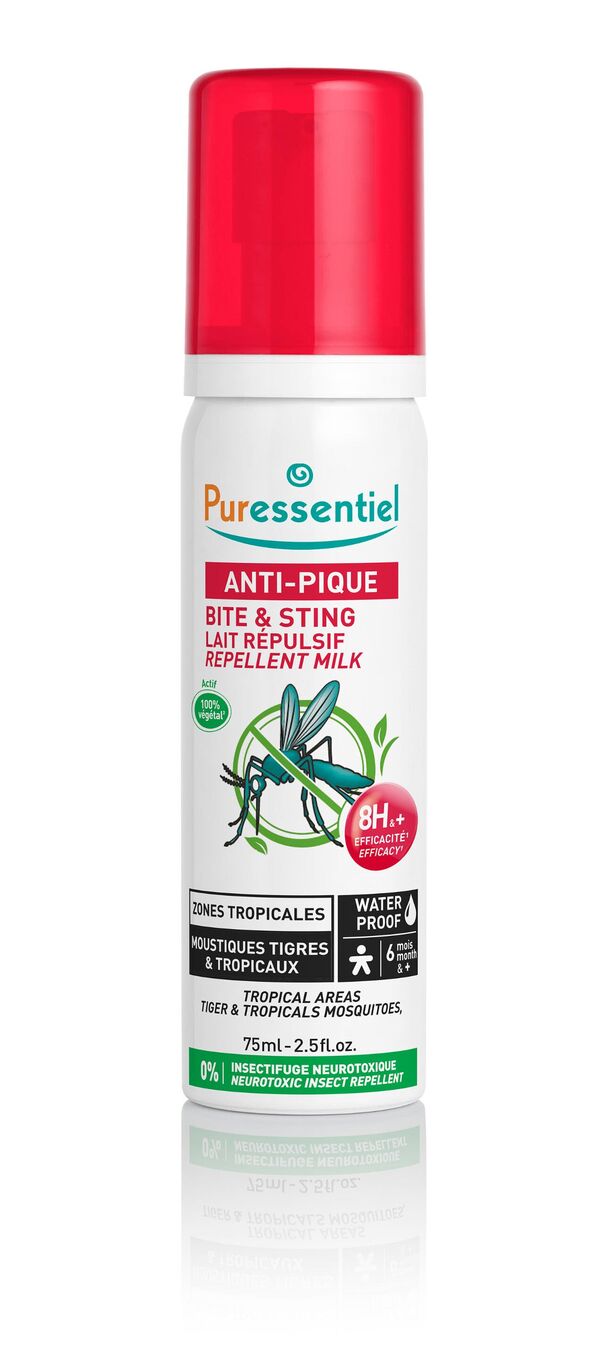
Puressentiel Tropical Strength Repellent Lotion is DEET alternative (Image: Puressentiel)
And that’s not the only issue. Pharmacist Noel Wicks says: “Some people don’t tolerate DEET very well and develop skin rashes, hives and even facial swelling. DEET is also known to disrupt some sex hormones and exposure has been linked to reduced bone density in children. A lot of consumers now try to avoid it
“For an effective and safe alternative, look for a product with eucalyptus citriodora oil or Icardin, which is also known as picardin. Go for Puressentiel Tropical Strength Repellent Lotion which is scientifically proven to protect against common mosquitoes for up to nine hours and sand flies for more than six hours — which is more than any comparable product.
“Crucially, it provides up to 8.5 hours protection against the disease-spreading tropical and tiger mosquitoes which are now being found in the UK, and it also repels ticks, spiders and wasps and hornets.” Also available in a spray or stick format.”
Ticked off
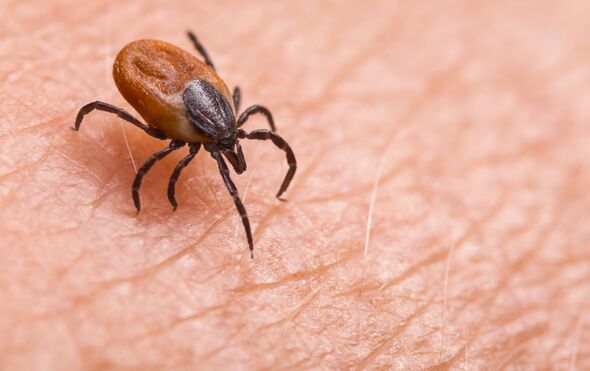
A female deer tick (Image: Getty/iStockphoto)
Ticks are an issue all year round, but the chances of being bitten soar as we spend more time outside in shorts and skimpy tops. If you’re in an area where ticks are known to be a problem, use a DEET-free repellent and check your skin regularly.
“If you are bitten, it is important to remove the tick as quickly as possible to reduce the risk of infections such as Lyme disease,” says Dr Aslam. “If you spend a lot of time rambling or camping it’s worth investing in a specialist removal device, alternatively use fine-toothed tweezers to gently grip the tick as close to the skin as possible and, without crushing it, steadily pull the whole insect away. If you develop a rash or fever, seek medical help.”
Sting in the tail
We may not be able to rely on the weather, but outdoor entertaining and an abundance of exposed skin is guaranteed to attract mosquitoes, wasps, hornets, midges and the other stinging insects. Dr Aslam says: “Prevention is far better than treatment, so always apply a DEET-free insect repellent. If you are bitten, resist the temptation to scratch mosquito bites as that will only increase the risk of skin irritation and potential infection. Instead, wash bites with soap and water and apply a cold compress.
“For swifter, and more effective relief, apply Puressentiel Bite and Sting Multi-Soothing Cream. It has an intensely soothing combination of essential oils and extracts including tea tree, clove, lavender, aloe vera and calendula. It can be used on children from 30 months and is free from cortisone, parabens and synthetic fragrances.”
Spidey senses

Pharmacist Noel Wicks (Image: Courtesy Noel Wicks says gloves and insect repellent when gardening are useful)
Unlike some parts of the world, there are no spiders in the UK which are venomous enough to kill, but there are some, such as the false widow spider, that have a painful bite and can cause nausea and headaches. Noel Wicks says: “False widow spiders are far more common than they were 50 years ago and we are seeing a lot more people seeking advice on how to avoid and treat spider bites. Last year there were 100 hospital admissions due to spider bites – up from 47 in 2015.
“You should always assume that any spider has the potential to inflict a nasty bite and protect yourself with gloves and insect repellent when gardening or cleaning any areas where spiders could be lurking. If anyone in the family has an allergy, have antihistamines to hand, or an epi-pen in the case of severe reactions and look out for redness or swelling which could indicate a secondary infection.”
Rash decisions
Heat and perspiration are a recipe for skin rashes and flare-ups of acne. Heat rash occurs when sweat ducts get clogged up, and acne when hair follicles get blocked with skin debris and oils. Dr Aslam says: “In both cases, keeping skin clean and cool should be your starting point. Babies are particularly vulnerable to heat rash because their sweat ducts are still developing, but anyone can be affected during hot spells, particularly if you are physically active or wear a lot of synthetic fibres.
“Heat rash usually subsides when the skin cools down, so a cool shower or bath is often enough to ease symptoms. If the irritation persists, try calamine lotion or ask you pharmacist if they think an oral antihistamine or hydrocortisone cream would help.”
Breathe easier
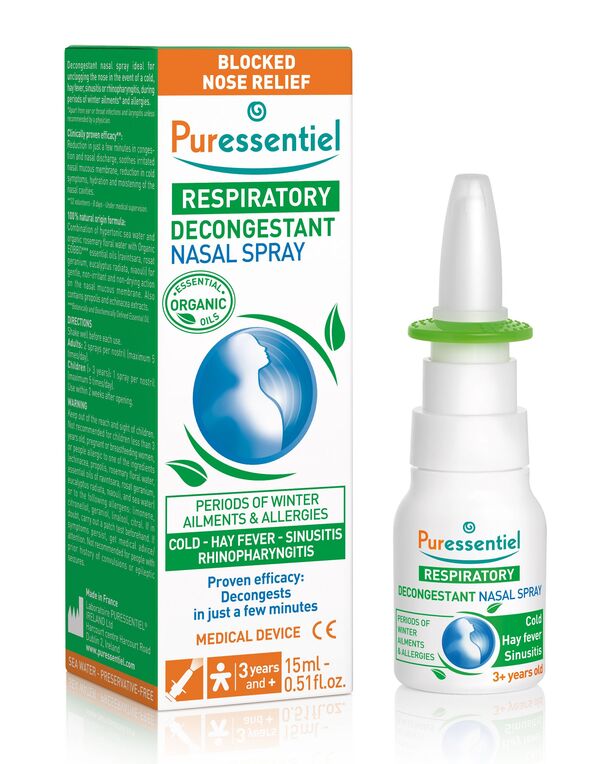
Puressentiel nasal decongestant (Image: Puressentiel)
Asthma and other respiratory issues are often exacerbated by hot, humid weather and high pollen levels. The heat also increases concentrations of ozone and other irritating pollutants in the air. “If your doctor has prescribed a reliever inhaler be sure to use it every day, not just when you are experiencing symptoms,” says Dr Aslam. “And take a few minutes on the Asthma and Lung UK website to check you are using it properly — there is now a wide range of inhalers and the correct techniques for using them do vary.
“If summer colds or allergens are causing congestion, try to avoid nasal sprays which contain steroids or vasoconstrictors as using them for any longer than three days increases the risk of rebound congestion, nose bleeds and other issues.”
Puressentiel’s Respiratory Decongestant Nasal Spray has a soothing blend of seawater and organic rosemary floral water, plus plant extracts which helps to reduce congestion and gently cleanse the nasal passages.
Comments are closed.