
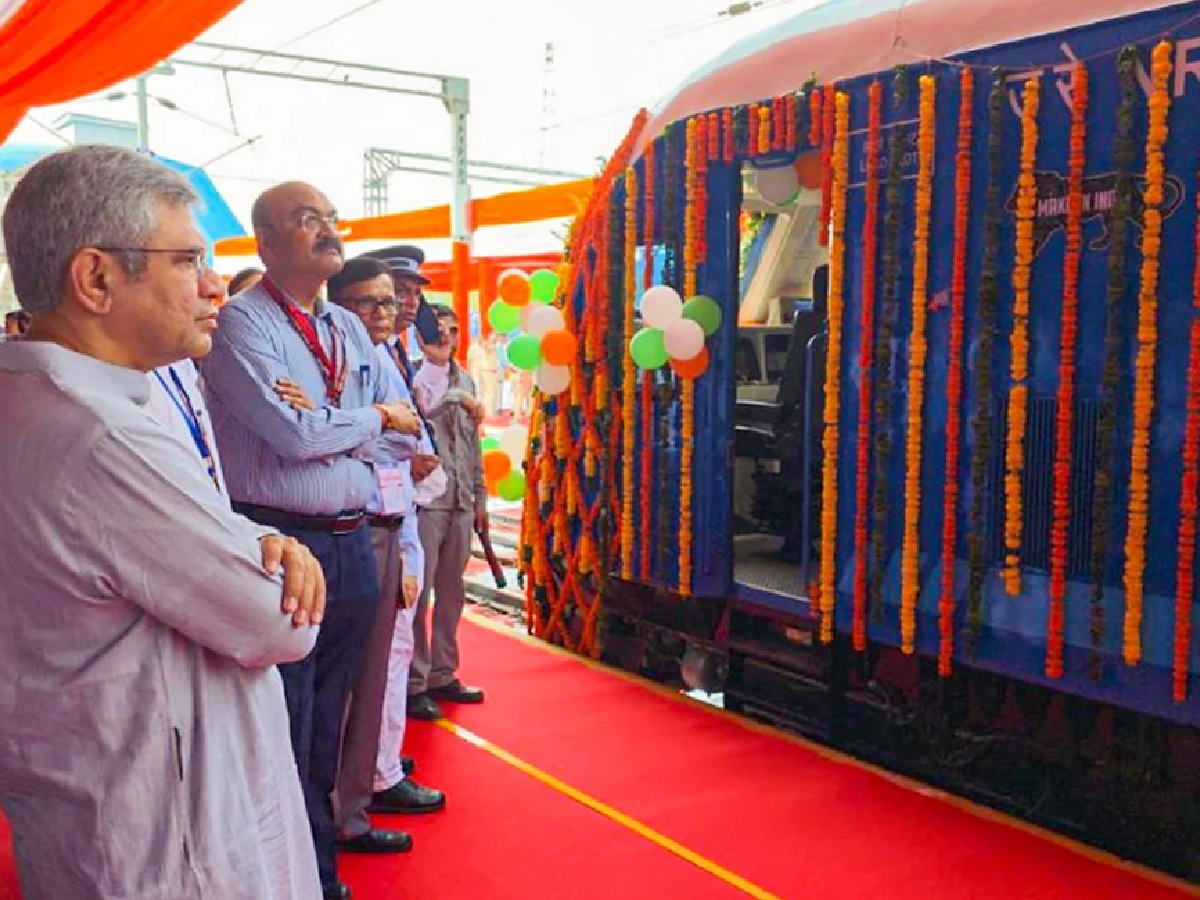
Over 5.5 Lakh Jobs Created in Indian Railways Since 2014, Says Minister Ashwini Vaishnaw in Parliament:

Union Minister for Railways Ashwini Vaishnaw has presented comprehensive data in Parliament regarding employment generation within the Indian Railways, revealing that over 5.5 lakh jobs have been created since 2014. Speaking in the Lok Sabha, the minister detailed recruitment figures to counter opposition scrutiny surrounding unemployment. According to the data provided, a total of 5,56,000 people have been successfully recruited in the railways from 2014 up to June 30, 2026. This impressive tally includes 50,485 appointments made exclusively within the Southern Railway zone, reflecting the government’s ongoing efforts to strengthen public sector workforce capacity and infrastructure operations.
Comparative Analysis: Recruitment Surge Post-2014 vs Previous Decade
Providing a direct comparison with previous administrative timelines, Minister Vaishnaw highlighted that between 2004-05 and 2013-14, the total number of recruitment’s carried out by the Indian Railways stood at 4.11 lakh. Emphasizing the scale of recent drives, the minister explained that new positions are continuously curated keeping in mind the massive network expansion, technological modernization, and evolving operational demands of modern rail transport. Despite conducting large-scale nationwide examinations involving millions of aspirants, the ministry underscored that all recruitment processes have been executed transparently while strictly adhering to all mandated government and institutional guidelines.
Clarifying TTE Workload and Deployment Guidelines in Parliament
Addressing specific queries raised during the parliamentary session regarding staff workload, the Railway Minister shed light on the responsibilities of Traveling Ticket Examiners (TTEs). Nanded Congress MP Ravindra Vasantrao Chavan had previously raised concerns regarding staff pressure and deployment patterns, particularly on routes like train numbers 22401 and 22402 running between Delhi Sarai Rohilla and Udhampur. In response, Vaishnaw clarified that administrative guidelines dictate that one TTE is officially assigned to manage a maximum of five air-conditioned coaches, or alternatively, three chair car or sleeper coaches. This structured deployment ensures optimal staff utilization, streamlined ticket verification, and enhanced passenger assistance across all active zones.
Transparency on Ticket Cancellation Revenue and Rules
In addition to employment metrics, the Ministry of Railways recently addressed queries in the Rajya Sabha concerning earnings generated through ticket cancellations. On July 27, Minister Vaishnaw clarified that Indian Railways does not maintain zone-wise segregated records specifically for waitlisted ticket revenue and cancellation fees. Furthermore, the ministry outlined that specialized modern services, such as the Vande Bharat Sleeper Express and Amrit Bharat Express trains, follow distinct cancellation fee structures and refund timelines compared to regular mail and express services, ensuring passenger clarity and transparent operational policies.

Comments are closed.