

New Delhi: The Union Cabinet, chaired by Prime Minister Narendra Modi, on Wednesday approved seven major decisions aimed at accelerating India’s manufacturing, infrastructure and agricultural growth. The package, with a combined outlay of approximately Rs 2.19 lakh crore, includes the launch of India Semiconductor Mission (ISM) 2.0, a new mobile phone manufacturing scheme, two mega infrastructure projects in Varanasi, a fresh urea investment policy and key railway expansion projects.
The approvals are expected to strengthen India’s manufacturing ecosystem, improve logistics, boost connectivity and further the government’s vision of self-reliance across strategic sectors.
Semicon 2.0 receives biggest allocation
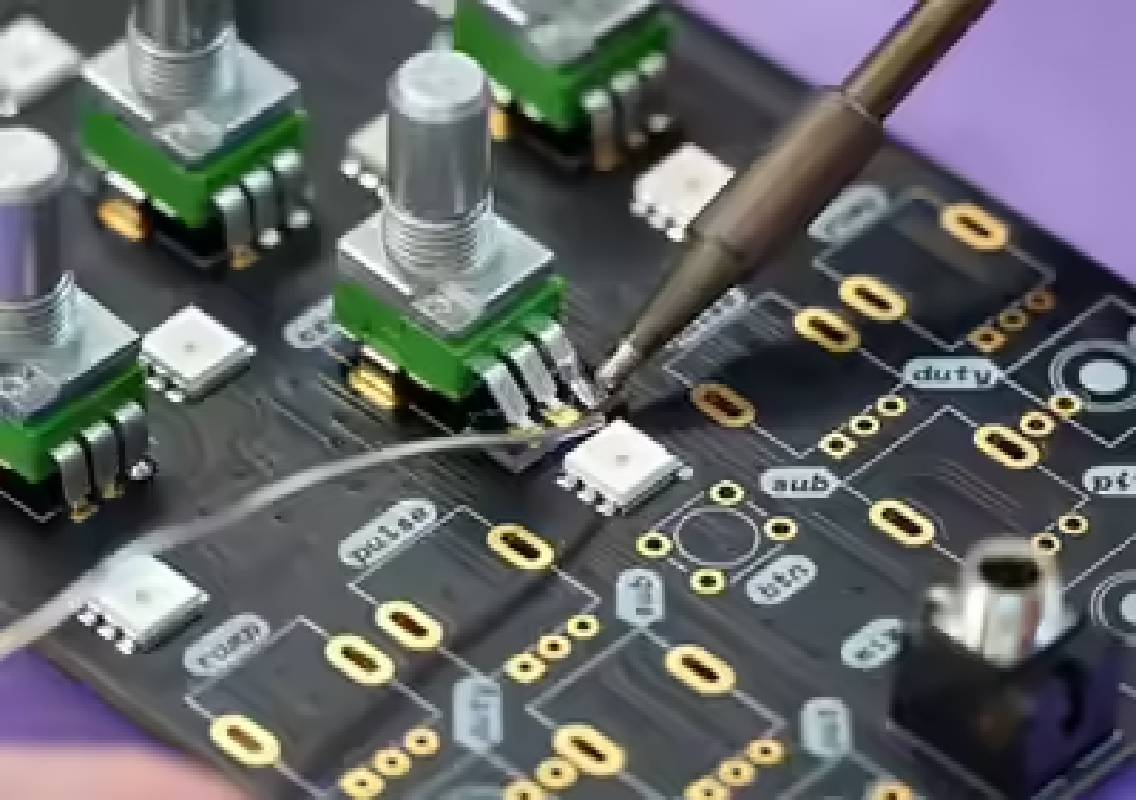
The Cabinet approved India Semiconductor Mission (ISM) 2.0 with an allocation of Rs 1.27 lakh crore, making it the largest component of the package. The programme seeks to deepen India’s semiconductor ecosystem by supporting chip manufacturing, semiconductor equipment, materials and design capabilities.
The initiative builds on the progress of the first phase of the semiconductor mission and aims to position India as a significant player in the global semiconductor supply chain amid rising worldwide demand for chips.
Rs 62,500 crore for mobile manufacturing
The government also approved the Mobile Phone Manufacturing Scheme (MPMS) with an allocation of Rs 62,500 crore.
The scheme is expected to expand domestic manufacturing capacity, strengthen India’s electronics exports and attract further investments from global smartphone makers and component manufacturers. It also aims to generate employment while reinforcing India’s position as one of the world’s leading mobile phone manufacturing hubs.
Mega Varanasi infrastructure projects approved
Among the infrastructure announcements, the Cabinet cleared two major elevated corridor projects in Varanasi worth Rs 25,446 crore.
The projects include:
- A 43.2-km elevated corridor along the Varuna river.
- A 46.04-km elevated corridor connecting NH-19 with the Varanasi Ring Road along the Ganga river.
The corridors are expected to reduce traffic congestion, improve connectivity and enhance urban mobility in one of India’s busiest pilgrimage and tourism centres.
New urea investment policy
The Cabinet also approved the National Investment Policy for Urea 2026 to improve domestic fertiliser production and reduce import dependence.
Under the policy, nine new urea plants are proposed to be established across the country, strengthening India’s fertiliser security and supporting the agriculture sector over the long term.
Railway network to be expanded
The final two Cabinet decisions relate to strengthening railway infrastructure.
The government approved projects involving:
- Track doubling on key routes.
- Construction of a fourth railway line on selected corridors.
These railway upgrades are expected to increase network capacity, improve operational efficiency and facilitate faster movement of passengers and freight across the country.
Focus on manufacturing and infrastructure
The seven approvals collectively reflect the Centre’s strategy of simultaneously strengthening manufacturing, transport infrastructure and agriculture.
With investments spread across semiconductors, electronics, roads, railways and fertilisers, the government aims to improve industrial competitiveness, create employment opportunities and support long-term economic growth.
The semiconductor and electronics initiatives are expected to play a particularly important role in reducing import dependence and attracting global investments into India’s high-technology manufacturing sector.
Conclusion
The Union Cabinet’s approval of projects worth Rs 2.19 lakh crore marks one of the government’s biggest multi-sector investment pushes in recent months. Covering semiconductors, mobile manufacturing, transport infrastructure and agriculture, the decisions are expected to boost India’s manufacturing capabilities, improve connectivity and strengthen long-term economic resilience.

Comments are closed.