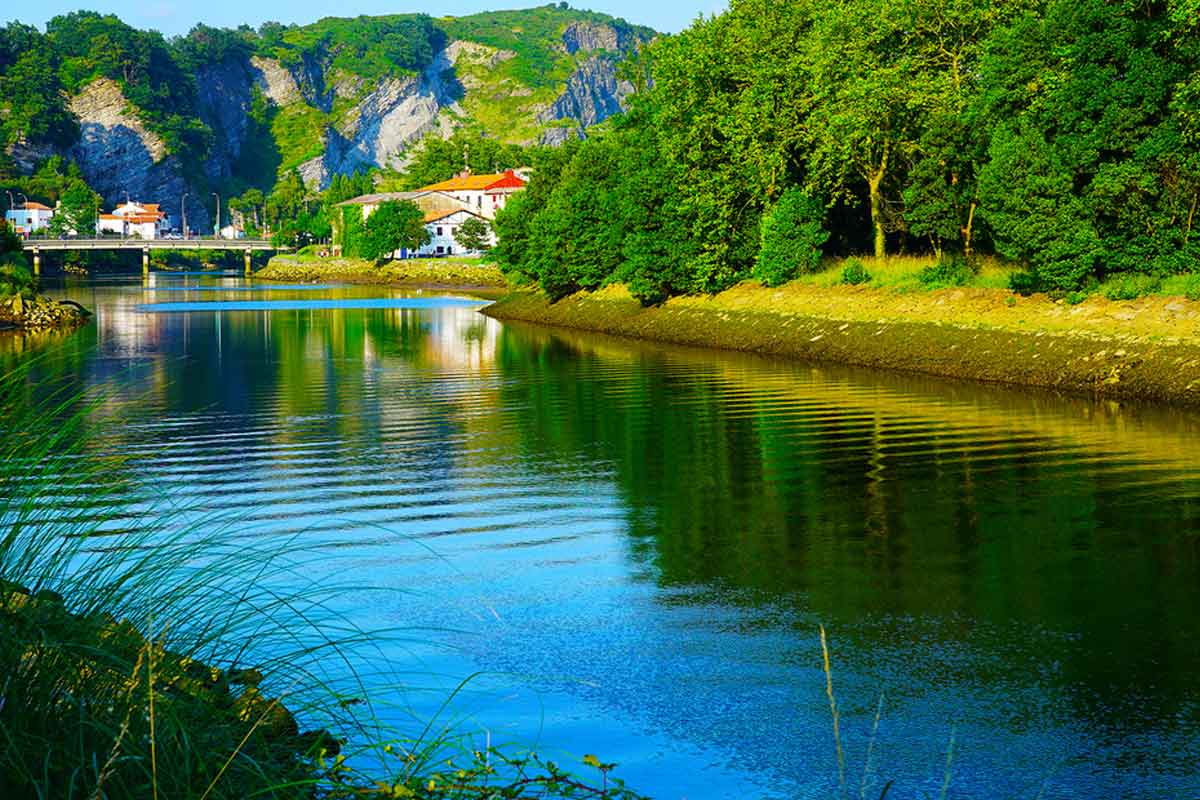
The Bidasoa River flows along the border between France and Spain. A piece of land lies on the banks of that river. At first glance, it might seem like a very ordinary island. There is no blue water, no luxurious villas, or a cafe to sit in on a lazy afternoon. However, for more than three and a half centuries, Pheasant Island has stood as a silent witness to a strange diplomatic history. Six months of the year, the island is owned by Spain, and the remaining six months by France. There are many examples of such strange border sharing in the world.
Why such a strange rule?
This strange rule began in 1659. France and Spain signed the Treaty of the Pyrenees to end a long-standing conflict. This neutral island in the Vidasoa River was chosen for the negotiations. It was here that the royal marriage of French Emperor Louis XIV and Spanish Princess Maria Theresa was arranged. The purpose was one and the same – to establish a message of peace between the two countries. But after the agreement, complications arose over who would own the island. Neither country was willing to give up its claim to this territory. Finally, the two sides reached a novel agreement. It was agreed that the sovereignty of this island would rotate between the two countries every six months of the year. Three and a half centuries later, that rule is still being followed.
Closed to the public?
There is no way to set foot on this island steeped in history. Pheasant Island is completely closed to tourists. There is no ferry service or walking path to get there. Only high-ranking officials from the two countries are allowed to go there. They visit the island every six months for official transfer of duties and maintenance. If you stand on the riverbank of the city of ‘Hondai’ in France or ‘Irun’ in Spain, you will see this green land. However, seeing it from a distance is enough to satisfy the thirst for travel.
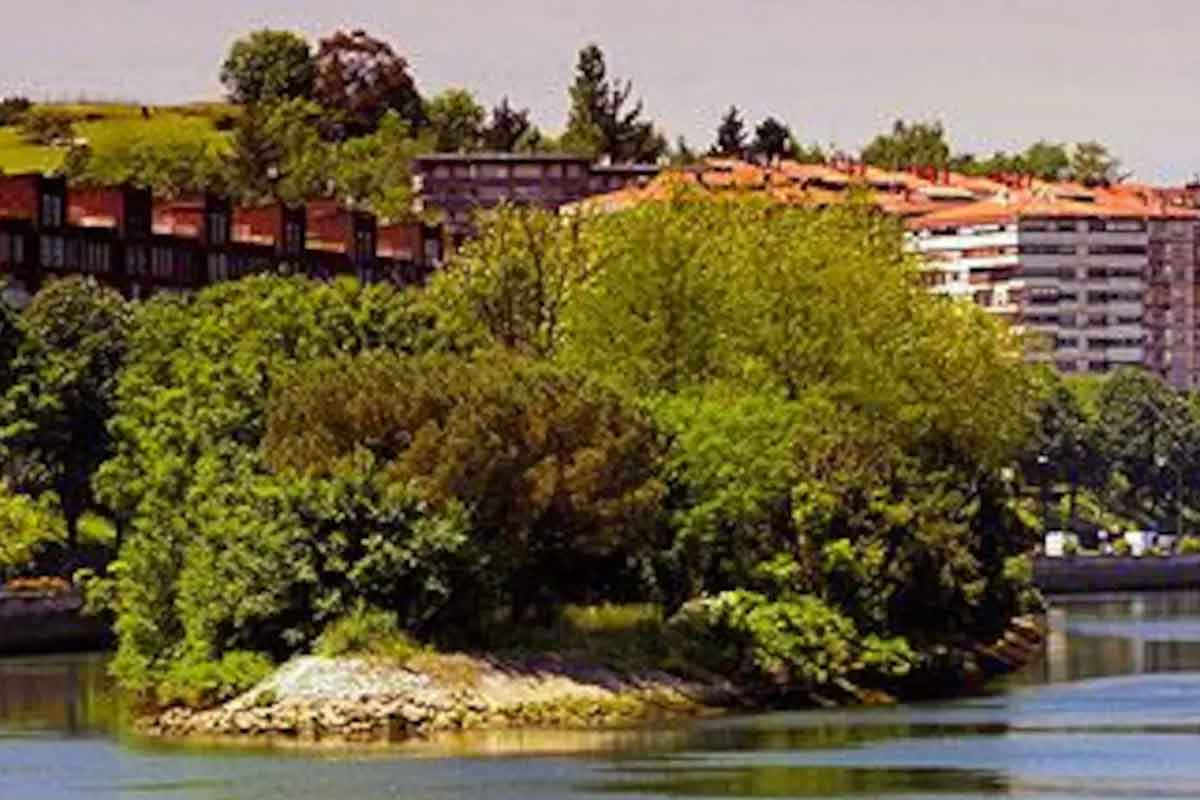
Today’s Pheasant Island, a green symbol of reconciliation
, is completely uninhabited. There are no residents, no caretakers. Once the center of European diplomacy, it is now a desolate wilderness. The rise and fall of empires, the change of dynasties, or the tumult of war—nothing has changed this pattern. Where borders usually mean division and barbed wire, this secluded island is a unique symbol of mutual cooperation. The two cities on either side of the river have their own magical atmosphere. The Basque architecture and sandy beaches of Hendaye, or the historic old quarter and bustling markets of Irun, attract tourists. And standing between the two cities, this quiet island reminds us of how history and geography can come together in a surprising harmony.