
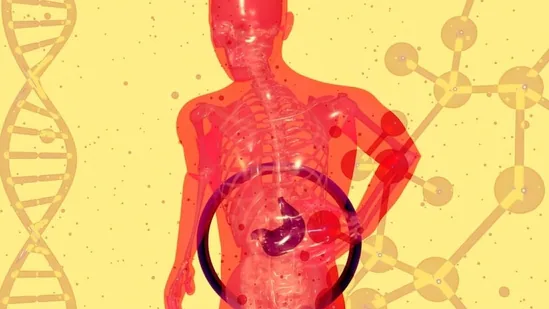

The liver is one of the body’s most vital organs, performing hundreds of essential functions, including removing toxins, producing bile, storing nutrients, regulating metabolism, and making important proteins. Unfortunately, many liver diseases develop silently, with symptoms appearing only after significant damage has already occurred.
One condition that is becoming increasingly common, especially among younger adults, is Metabolic Dysfunction-Associated Steatotic Liver Disease (MASLD), formerly known as Non-Alcoholic Fatty Liver Disease (NAFLD).
What Is MASLD?
MASLD is a condition in which excess fat builds up in the liver in people who have metabolic risk factors rather than heavy alcohol use.
In its early stage, fat accumulates in the liver without causing major inflammation. However, if left untreated, it can progress to Metabolic Dysfunction-Associated Steatohepatitis (MASH), a more serious condition that involves liver inflammation and damage to liver cells.
Over time, this may lead to:
- Liver fibrosis (scarring)
- Cirrhosis
- Liver failure
- Increased risk of liver cancer in some people
Why Is Liver Disease Called a ‘Silent Disease’?
The liver is often referred to as a silent organ because:
- It has very few pain-sensitive nerves.
- It can continue functioning even after substantial damage.
- Early liver disease often causes no noticeable symptoms.
As a result, many people remain unaware of the condition until it has progressed significantly.
Early Symptoms to Watch For
Although early MASLD may not cause symptoms, some people may eventually experience:
- Persistent fatigue
- Mild discomfort or pain in the upper right abdomen
- Bloating
- Unexplained weight changes
- Weakness
- Reduced energy levels
These symptoms are non-specific, so medical evaluation is important if they persist.
Who Is at Higher Risk?
Several health and lifestyle factors increase the risk of developing MASLD, including:
- Overweight or obesity
- Type 2 diabetes
- Insulin resistance
- High cholesterol or triglycerides
- High blood pressure
- Physical inactivity
- Unhealthy diet high in processed foods and sugar
- Poor sleep habits
- Chronic stress
Can MASLD Be Prevented?
In many cases, yes. Healthy lifestyle changes can significantly reduce the risk.
Eat a Balanced Diet
Choose foods such as:
- Fruits and vegetables
- Whole grains
- Lean protein
- Healthy fats from nuts, seeds, and olive oil
Limit sugary drinks, refined carbohydrates, processed foods, and excessive saturated fats.
Stay Physically Active
Aim for at least 150 minutes of moderate-intensity exercise each week, along with muscle-strengthening activities on two or more days, if appropriate for your health.
Maintain a Healthy Weight
Even modest weight loss can help reduce fat accumulation in the liver and improve liver health.
Control Blood Sugar and Cholesterol
Managing diabetes, cholesterol, and blood pressure can lower the risk of liver damage.
Limit Alcohol Consumption
Although MASLD is not caused by alcohol, excessive alcohol intake can further damage the liver and worsen existing disease.
Avoid Smoking
Smoking contributes to inflammation and increases the risk of many chronic diseases, including liver-related complications.
Schedule Regular Health Check-Ups
People with obesity, diabetes, or other metabolic conditions should undergo regular health assessments, including liver function tests when recommended by their healthcare provider.
When Should You See a Doctor?
Consult a healthcare professional if you experience:
- Persistent fatigue
- Ongoing abdominal discomfort
- Unexplained weight changes
- Abnormal liver test results
- Risk factors such as obesity or diabetes
Early diagnosis allows treatment before serious liver damage develops.
Final Thoughts
MASLD is becoming increasingly common due to modern lifestyles, but it is often preventable. Because liver disease may remain silent for years, maintaining healthy habits and attending regular medical check-ups are essential. A balanced diet, regular physical activity, weight management, and control of metabolic conditions can go a long way in protecting your liver and overall health.
Disclaimer: This article is for informational purposes only and should not be considered a substitute for professional medical advice. If you have symptoms or risk factors for liver disease, consult a qualified healthcare professional for proper evaluation and treatment.

Comments are closed.