
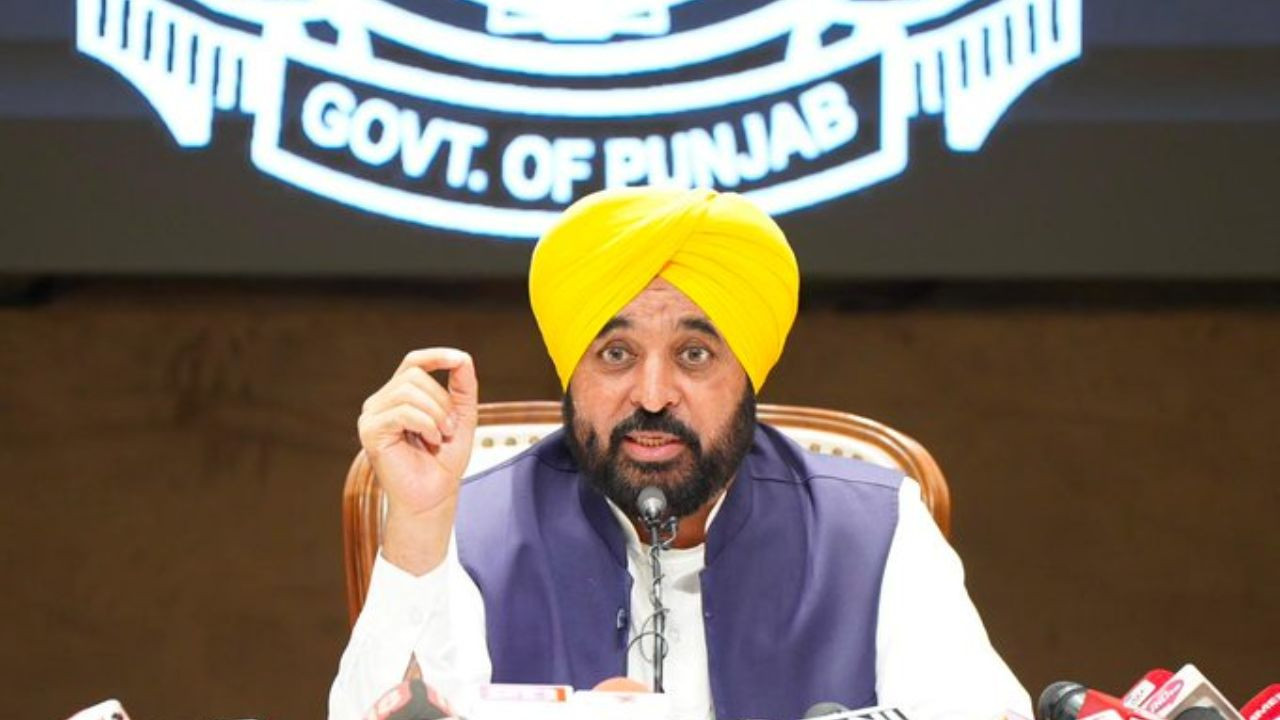
In Punjab, 914 patients got the benefit of cashless stroke treatment in 6 months from Mukhyamantri Sehat Yojana.

Chandigarh: Stroke does not knock before coming into the life of a family. A moment ago the person is walking, talking and going about his work normally; But in the next moment, a blockage in an artery or a burst blood vessel in the brain can turn a normal day into a serious medical emergency. Statistics related to stroke treatment under Punjab Mukhyamantri Sehat Yojana show that the state health scheme is helping patients with neurological emergencies ranging from simple stroke management to advanced imaging, intensive care and long-term treatment.
What is stroke and why is it dangerous?
A stroke, often called a ‘brain attack’, occurs when the blood supply to part of the brain is cut off or a blood vessel bursts. Due to lack of oxygen, brain cells start dying. Its major risk factors include high blood pressure, diabetes, high cholesterol, smoking, obesity and unhealthy lifestyle.
According to the World Health Organization (WHO), stroke remains one of the leading causes of death and disability worldwide, the vast majority of which are attributable to preventable risk factors. At the same time, America’s Centers for Disease Control and Prevention (CDC) also says that timely treatment can improve the patient’s recovery, while better control over blood pressure, diabetes and lifestyle-related risks can reduce the chances of stroke.
Relief to hundreds of patients from Chief Minister Health Scheme
Stroke treatment can be very expensive, placing a heavy financial burden on many families. According to the latest data from the State Health Agency (SHA), Punjab, 914 stroke patients were treated under the Mukhyamantri Sehat Yojana in the last six months at a cost of ₹4.15 crore. Of these, 48 cases of acute ischemic stroke were recorded, on which the highest expenditure of ₹ 14.27 lakh was incurred.
According to State Health Agency (SHA) records, acute stroke and acute ischemic stroke categories saw the highest number of patients treated, while hemorrhagic stroke cases were relatively less, but the treatment cost per patient remained high. The bulk of the total expenditure was on cases involving CT/MRI tests and additional medical procedures such as tracheostomy and blood transfusions.
The scheme will not allow financial hindrance in treatment: Dr. Balbir Singh
Punjab Health and Family Welfare Minister Dr Balbir Singh said that strengthening health services means ensuring that no family delays treatment due to financial concerns. He said, “The aim of health schemes like Mukhyamantri Sehat Yojana is to ensure that patients get timely treatment when they need it. In emergencies like stroke, every minute counts and financial assistance can prove to be the difference between a delay in treatment and saving a life.”
Both timely treatment and awareness are necessary: Expert
Dr. Harman Sobti, Senior Consultant Neurosurgeon and Spine Surgeon, Sobti Neuro Super Specialty Hospital and Mohandai Oswal Hospital, Ludhiana, said, “Stroke is a medical emergency in which timely diagnosis and treatment can decide the future of the patient. Modern imaging, intensive monitoring and timely treatment have significantly improved the treatment outcomes.” He said that awareness is equally important. Dr. Sobti further said, “People should seek medical help immediately by recognizing warning signs like sudden weakness in any part of the body, face drooping to one side, difficulty in speaking.”
According to Dr. Harman Sobti, ischemic stroke accounts for the highest share of treated cases and advanced diagnostic techniques like CT scan and MRI have become an important part of stroke management. He said, “In cases of complex stroke, there can be huge financial pressure on families. At such times, Mukhyamantri Sehat Yojana acts as an important safety net.” However, he also said that prevention is the most effective solution and the risk of stroke can be reduced to a great extent by controlling blood pressure, diabetes management and adopting a healthy lifestyle.
Important facts related to stroke
Stroke is fast becoming a major health challenge, requiring immediate emergency treatment.
Ischemic stroke accounts for the highest share of treated cases.
Advanced diagnostic techniques such as CT scan and MRI are becoming the mainstay of stroke management.
Complicated stroke cases can place a heavy financial burden on families.
Health plans can act as a safety net for families in case of sudden medical emergencies.
Controlling blood pressure, proper management of diabetes and adopting a healthy lifestyle are the most effective ways to prevent stroke.

Comments are closed.