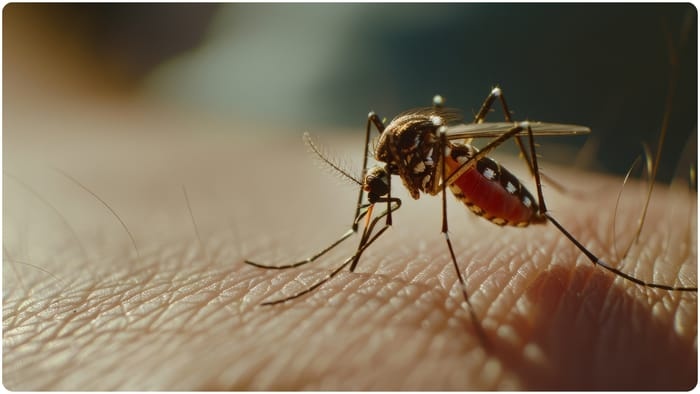
Special Reporter, New Delhi: Amidst heavy monsoon rains and waterlogging at many places, the threat of vector-borne diseases is rapidly looming in the country’s capital Delhi. According to the latest data released by the Municipal Corporation of Delhi (MCD) and the Health Department, this year there is an increase in the cases of dengue and malaria in the capital. The situation is becoming worrisome due to increased breeding of mosquitoes in waterlogged places during the rainy season. According to the Municipal Corporation’s report, till now 212 cases of dengue and 62 cases of malaria have been reported in Delhi, while 14 cases of chikungunya have been registered.
Many areas of the capital, particularly the West Zone, Central Zone, and Civil Lines, are experiencing the most severe mosquito infestations. Health experts have warned that the peak monsoon season in August and September could lead to further outbreaks of dengue and malaria. Therefore, citizens need to be vigilant and take prompt action to recognize early symptoms.
Mosquito attack in the capital: What is the total number of dengue and malaria cases in Delhi so far?
According to the Vector-Borne Disease report released by the Municipal Corporation of Delhi (MCD), a total of 212 cases of dengue have been confirmed in the national capital from January to the end of July this year. Of these 212 cases, 194 were reported from the MCD area alone, while the remaining cases were reported from the NDMC, Delhi Cantt, and Railway areas.
In addition, 62 malaria and 14 chikungunya patients have been hospitalized so far. However, it is a matter of relief that no deaths due to dengue or malaria have been officially confirmed so far this year.
To prevent mosquito breeding, MCD’s Domestic Breeding Checkers (DBC) teams have launched a massive inspection drive across the capital. Nearly 2 crore houses and premises have been visited by municipal employees, in which mosquito larvae were found in more than 50,000 houses. More than 47,000 legal notices have been issued for violations and waterlogging and thousands of people have been fined on the spot. The Municipal Corporation has also released larva-eating guppy fish (Gambusia fish) in parks, drains and water bodies to control the mosquito population.
What to do if you get dengue? Learn about the early symptoms and immediate treatment.
Dengue is a viral infection spread by the bite of an infected female Aedes aegypti mosquito. This mosquito usually bites during the day. If a person contracts dengue, timely care and treatment can help them recover quickly.
- Identify the early symptoms:
- High fever (102°F to 104°F)
- Retro-orbital pain
- Headache, severe muscle and joint cramps and pain (also known as ‘breakbone fever’)
- Rashes or rashes on the skin
- Nausea, vomiting, and feeling extremely weak and tired
- Hydration is most important (drink plenty of fluids):
The most important aspect of dengue treatment is maintaining hydration and electrolyte levels. Regularly provide the patient with coconut water, ORS solution, lemon water, thin buttermilk, fresh fruit juice, and lentil water. This helps keep blood pressure and platelets under control.
- Complete Bed Rest:
Dengue fever significantly weakens the body’s immune system. Therefore, patients should rest completely and avoid any physical exertion for at least 7 to 10 days.
- Regularly monitor platelet count:
Platelets can drop rapidly in dengue. Get a complete blood count (CBC) test periodically as directed by your doctor and monitor your platelet levels. However, platelet transfusions are not necessary unless platelet counts drop significantly or you experience signs of bleeding.
- Give light and easily digestible food:
Include easily digestible foods like porridge, porridge, boiled vegetables, soup, and papaya in the patient’s diet. Papaya leaf juice and Giloy decoction are also considered helpful in platelet recovery, but consume them in limited quantities only after consulting a doctor.
What not to do? Avoid these deadly mistakes to reduce the risk of dengue.
When treating dengue, just as much caution is needed about what to do, it’s equally important to be mindful of what not to do. Taking the wrong medication or being careless can lead to a serious dengue condition (Dengue Hemorrhagic Fever).
- Avoid taking painkillers (No Ibuprofen or Aspirin):
Never accidentally take painkillers (NSAIDs) like aspirin, ibuprofen, or Combiflam when you have dengue fever or body aches. These medications thin the blood and can increase the risk of internal bleeding. Only take paracetamol to reduce fever, and only after consulting a doctor.
- Do not take antibiotics without consulting a doctor.
Dengue is a viral disease, so antibiotics are ineffective. Never self-medicate without medical advice.
- Do not ignore the warning signs:
If the patient is vomiting continuously, experiencing unbearable abdominal pain, bleeding from the gums or nose, difficulty breathing, or extreme lethargy, do not take it lightly. This indicates a severe form of dengue. In such a situation, immediately admit the patient to the nearest hospital.
Fighting mosquito menace: Important advice from MCD and health experts
The most effective way to prevent diseases like dengue and malaria is to avoid mosquito bites and avoid mosquito breeding around you:
- Avoid water accumulation: Avoid water accumulation anywhere around your home, including in coolers, flower pots, old tires, bird feeders, and on rooftops. Clean and thoroughly dry coolers at least once a week.
- Use mosquito nets and repellents: Use mosquito nets while sleeping and apply mosquito repellent cream or spray on your body when going out.
- Wear full clothes: During the day, wear long-sleeved shirts, full pants and socks so that maximum part of the body is covered.
- Install screens on your windows: Keep windows and doors closed or use screens during the evening and morning, as this is when Aedes and Anopheles mosquitoes are most active.
In light of the rising number of cases in the capital, the administration and health department are working diligently. However, only the cooperation of ordinary citizens can prevent this disease from becoming an epidemic. By maintaining cleanliness around you and exercising a little caution, you can protect your family from life-threatening diseases like dengue and malaria.