
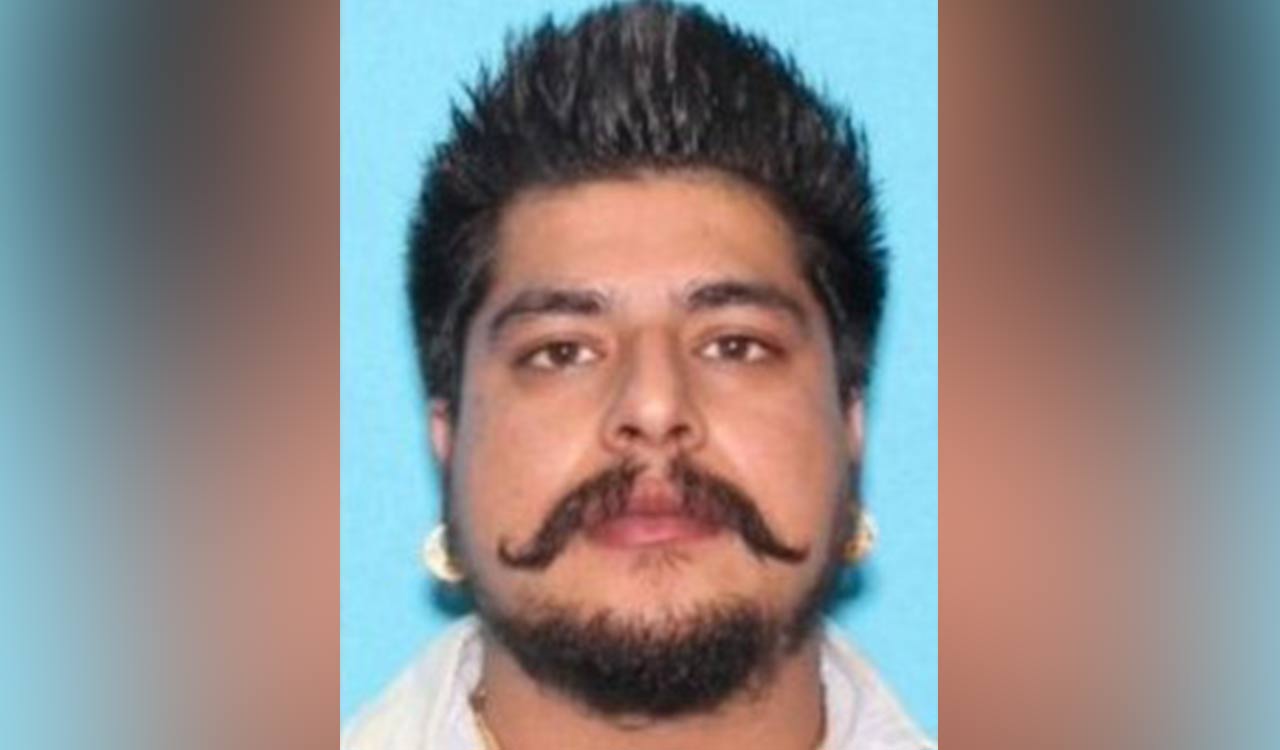

The FBI arrested Indian national Nitish Kaushal in Vermont after placing him on its Most Wanted list. He faces RICO conspiracy charges for allegedly being part of the Jaggu Bhagwanpuria organised crime syndicate involved in drug trafficking, extortion, kidnapping and violent crimes
Published Date – 17 July 2026, 11:57 AM
Washington: The FBI has arrested Indian national Nitish Kaushal in Vermont, days after placing him on its Most Wanted list, in what marks a major development in a sweeping US prosecution of an alleged Punjab-based transnational organised crime syndicate accused of operating across North America, Europe and Oceania.
“Case Update: Nitish Kaushal has been arrested in Vermont,” the FBI’s Most Wanted account announced on X on Thursday. The bureau also appealed for public assistance to locate “other fugitives wanted for committing crimes related to criminal enterprise investigations.”
A federal arrest warrant for Kaushal, also known by the alias “Lala”, was issued on June 25 by the US District Court for the Central District of California after a grand jury charged him with Racketeer Influenced and Corrupt Organizations (RICO) conspiracy.
The 44-page federal indictment alleges that the Jaggu Bhagwanpuria Organised Crime Group operated as a transnational criminal syndicate headquartered in India with members across the United States, Canada, the United Kingdom, Europe, Australia and New Zealand.
Prosecutors allege the organisation had more than 1,000 members and associates worldwide, including more than 100 in the United States, and generated revenue through murder, kidnapping, drug trafficking, extortion, weapons trafficking, money laundering and human smuggling. The indictment names 15 defendants, including alleged gang leader Jaggu Bhagwanpuria, Kaushal and several other alleged members of the organisation.
Earlier this week, the FBI had placed Kaushal on its Most Wanted list, alleging he was involved in “a transnational criminal organization engaged in, among other things, acts involving murder, kidnapping, drug trafficking, extortion, weapons trafficking, money laundering, and human smuggling.”
According to the FBI, the organisation “originated in the Punjab state of India and operated in the Central District of California and elsewhere.” The bureau also alleged that Kaushal carried out acts of violence on behalf of the Jaggu Bhagwanpuria Organised Crime Group, including kidnappings and assaults, and warned that he “should be considered armed and dangerous and an escape risk.”
According to the indictment obtained by IANS, Jaggu Bhagwanpuria, the alleged founder of the organisation, was once associated with jailed gangster Lawrence Bishnoi before developing an independent criminal network that prosecutors say eventually became a rival organisation with an international footprint.
The indictment alleges that Kaushal’s role within the organisation included carrying out kidnappings and assaults on behalf of the gang. One of the central allegations against him relates to an incident on July 10, 2024. According to prosecutors, members of the organisation believed a man had stolen a drug shipment belonging to the gang.
Court documents allege that an associate lured the victim to a residence in Manteca, California. The indictment alleges that Kaushal, along with co-defendants Amritpal Singh Bal, Harshpreet Singh and Amarbir Singh, restrained the victim.
Prosecutors further allege that Kaushal and Harshpreet Singh assaulted the victim before Kaushal, Bal and Amarbir Singh transported him to an apartment in Fresno, California. Federal prosecutors alleged that the victim was held while gang members demanded $50,000, claiming it represented compensation for a drug shipment they believed had been stolen.
The indictment further alleges that Jaggu Bhagwanpuria later directed that the victim be released in an effort to resolve an internal dispute within the organisation. It alleges the organisation relied heavily on drug trafficking as one of its principal sources of revenue.
According to prosecutors, members coordinated transportation routes for cocaine and methamphetamine across the United States, typically collecting drugs in Southern California before transferring them to long-haul semi-trucks bound for the eastern United States or the US-Canada border. Standard shipments allegedly contained 100 kilograms or more of cocaine or methamphetamine.
Prosecutors also allege the gang accepted murder-for-hire contracts, stole cocaine from rival trafficking organisations and used violence against those suspected of stealing drug loads. According to the indictment, proceeds from drug trafficking, extortion and other criminal activity were allegedly sent back to the organisation’s leadership in India.
The court filing further alleges that members gathered information about extortion targets and their relatives, particularly family members living in India, before threatening victims through encrypted messaging applications and demanding money. In some cases, prosecutors allege, members worked with corrupt law enforcement officials in Punjab to file false criminal cases against rivals before demanding payments to have those cases withdrawn.
The indictment also alleges the organisation trafficked firearms, acquiring weapons through straw purchasers in Nevada before selling them in the United States or smuggling them into Canada.
Prosecutors further claim the gang recruited vulnerable young people in Punjab, including minors, by promising money, notoriety, power and opportunities to leave India. The court filing alleges that some recruits were paid as little as 20,000 rupees (about $200) to commit murders on behalf of the organisation and that loyal members were later rewarded with opportunities to operate in countries including the United States and Canada.
Following Kaushal’s indictment, federal prosecutors sought his pretrial detention, arguing that no conditions could reasonably assure either his appearance in court or the safety of the community. Court filings state that he posed a flight risk and a danger to the community, while also noting that he was “an alien not lawfully admitted for permanent residence.”
The Bhagwanpuria group is among several Punjab-based organised crime syndicates that have increasingly attracted the attention of law enforcement agencies in India and abroad over their alleged international operations.
In recent years, US authorities have expanded cooperation with partner countries, including India, to investigate criminal networks accused of exploiting international migration, encrypted communications and cross-border financial channels to facilitate organised crime.
Kaushal’s arrest marks the first publicly announced capture following the FBI’s appeal for information earlier this week. The allegations contained in the indictment have not been tested in court, and Kaushal is presumed innocent unless and until proven guilty beyond a reasonable doubt.

Comments are closed.