
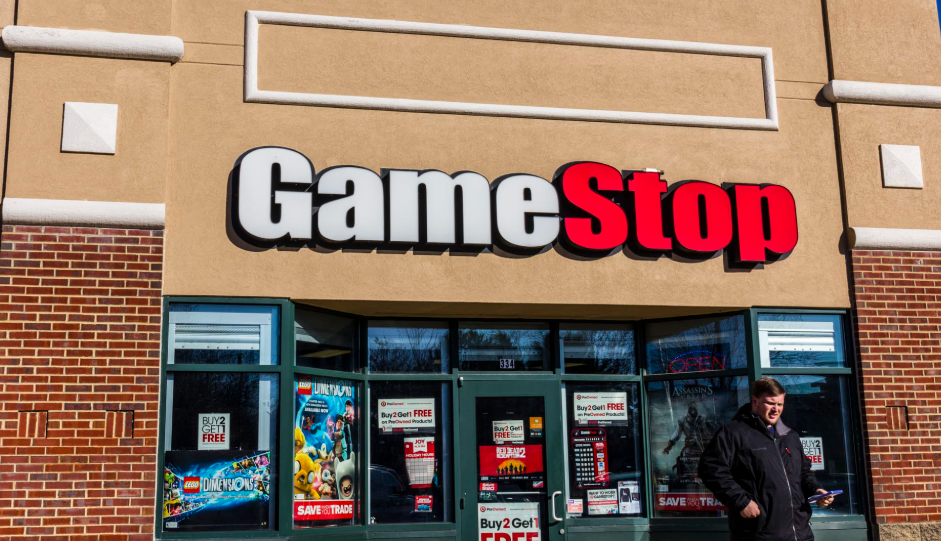

The modern brick-and-mortar retail sector has spent nearly a decade retreating in the face of absolute digital distribution networks. In no sector has this structural shift been more ruthless than in the video game industry. PC gaming successfully phased out physical disc media long ago, while contemporary home console environments are moving rapidly toward discless, cloud-linked hardware revisions. For the largest dedicated video game retailer in the United States, this transition would traditionally signal an immediate, fatal threat to the corporate bottom line. However, according to an extraordinary and highly polarizing public admission by the company’s executive leadership, the transition to all-digital media has ceased to be a boardroom priority.
In an interview with Bloomberg TV, the GameStop CEO says games irrelevant to the company’s modern revenue engine, brushing aside industry panic over Sony’s historic announcement that it will completely halt physical PlayStation disc production starting in January 2028. Rather than attempting to protect physical game media, GameStop’s leadership is aggressively steering the brand’s multibillion-dollar cash position into high-margin collectibles, trading card authentication hubs, and an unyielding, aggressive bid to purchase e-commerce giant eBay.
1. Deconstructing the Math: The Death of Software Margins
The core reason why the GameStop CEO says games irrelevant comes down to basic, unyielding balance-sheet arithmetic. For over twenty years, GameStop generated high margins by selling and trading used game discs. However, as platform holders like Sony and Microsoft built walled-garden digital storefronts, that physical circular economy collapsed.
The Shift in Revenue Breakdown
Durinnko Pops, and retro collectibles, has surged past video games to make up more than half of total corporate revenue.
“It doesn’t matter at all,” Cohen stated flatly when asked how a digital-only ecosystem would fit into his business layout. “Software, it mattered in the past. Software today makes up less than 12% of the busing his Bloomberg TV appearance, Ryan Cohen provided clear data to explain his indifference to the upcoming discless console transition:
- Software’s Marginal Share: Traditional gaming software encompassing both remaining physical discs and digital download codes now accounts for less than 12% of GameStop’s overall business operations.
The Collectibles Takeover: Consumer memorabilia, including Pokémon cards, high-end action figures, Fuess… So, it’s totally, totally irrelevant.”
2. The eBay Obsession: Deflecting the Grand Theft Auto 6 Hype
The most revealing moment of the interview occurred when Bloomberg anchors tried to steer the conversation toward upcoming major game launches. Analysts from analytics firm NewZoo project that Rockstar Games’ highly anticipated Grand Theft Auto VI will pull in a staggering $5.2 billion in its debut week. Historically, a launch of this scale would trigger midnight release lines at retail stores nationwide. Instead of celebrating the upcoming industry-wide launch, Cohen completely ignored the question. “I want to go back and talk about eBay,” he responded, instantly pivoting the interview back to his ongoing corporate takeover strategy.
Despite eBay’s board rejecting GameStop’s unsolicited $56 billion acquisition bid earlier in May, Cohen remains completely undeterred. GameStop has quietly built up an 8% ownership stake in eBay using its massive $9 billion cash reserve. Cohen believes combining GameStop’s physical store footprint with eBay’s digital marketplace can create a “$1 trillion business” focused on second-hand collectibles and real-time trading card authentication.
3. Structural Comparison: Retail Adaptation vs. Industry Trends
To see how radically GameStop has changed under Cohen’s direction since 2021, it helps to analyze the company’s real-world physical changes against broader technological shifts.
GameStop Restructuring Portfolio
| Operational Domain | Traditional GameStop Framework | Modern Restructured Reality |
| Primary In-Store Real Estate | Rows of physical game cases and discs | Action figures, cards, and collectibles |
| Store Footprint Capacity | Dense, nationwide retail presence | Over 1,300 stores closed to cut overhead |
| Failed Experimental Ventures | Cryptocurrency and short-lived NFT marketplaces | Complete retreat from speculative digital assets |
| Long-Term Financial Strategy | High dependency on physical game cycles | Building an e-commerce platform through eBay |
4. Hostility with Mainstream Media
The transformation from a dedicated video game supplier into a pop-culture hobby shop has exposed GameStop to sharp criticism from financial analysts and media organizations. Many question whether an acquisition of eBay is realistic, especially after Cohen struggled to answer basic financing questions on CNBC’s Squawk Box earlier in the year. Cohen dismissed this external skepticism as a coordinated media campaign. “Everybody in the media wants GameStop to fail,” he remarked, arguing that critics are willfully ignoring the company’s structural turnaround and record cash reserves.
The Horizon of the “Stop” Brand
The realization that the GameStop CEO says games irrelevant marks the official end of an era for a generation of consumers who grew up trading physical game discs. By shifting focus toward the massive $2.5 trillion global second-hand market, GameStop is actively trying to escape the death of physical media.
Whether Cohen can successfully force his way onto eBay’s board remains to be seen. However, one reality is undeniable: the classic version of GameStop is gone, replaced by a high-stakes collectibles and e-commerce play designed to survive an all-digital future.

Comments are closed.