
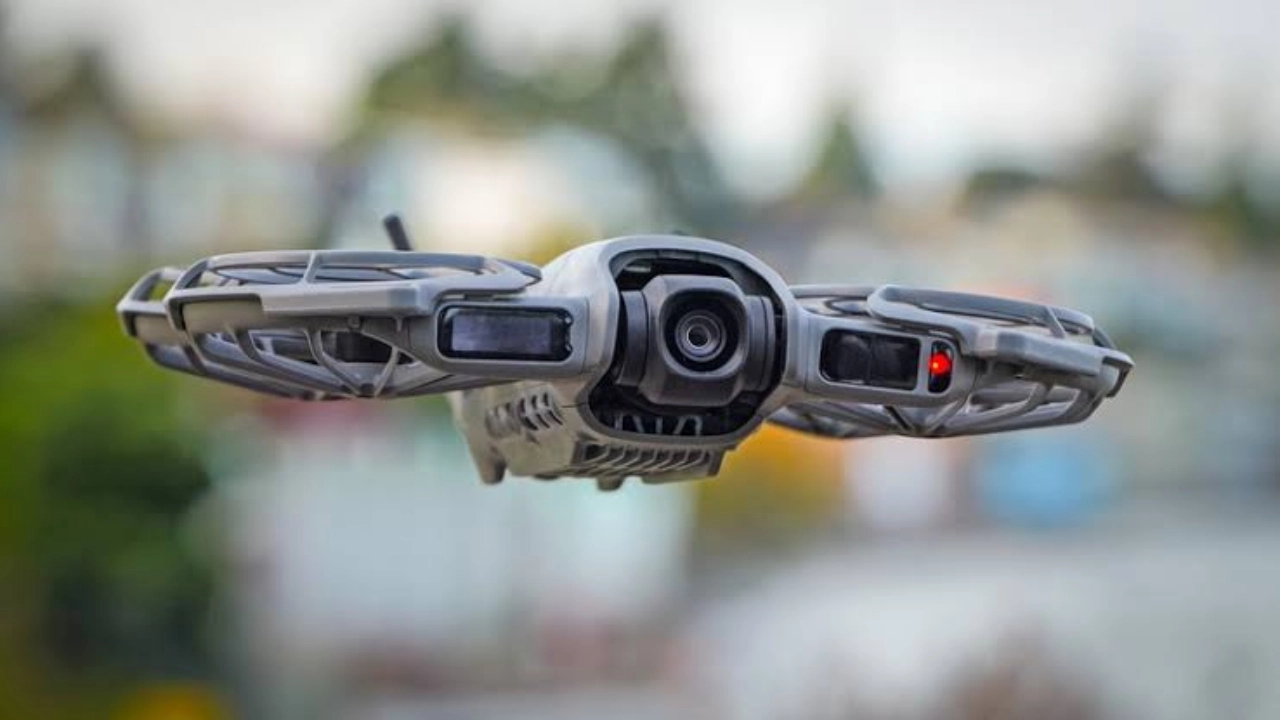

DJI Neo 2 : A few years back, getting a small drone usually meant inherently agreeing to some kind of compromise. Those compact designs were nice and easy to carry, but they often didn’t have the situational awareness, picture clarity, or any kind of attached intelligence you need to feel genuinely confident in everyday stuff. DJI’s newer Neo 2 kinda points to that trade-off starting to fade away.
Most of the time, drone brands go after higher speeds or aim at professional cinema shots. DJI instead seems to push the idea that aerial filming should feel simple and open to regular people, not just experts. The DJI Neo 2 has a gentle learning curve, in the sense that flying it doesn’t feel like homework. You can see that vibe running through the whole product, from AI-assisted tracking to the gesture commands and its obstacle sensing.
DJI basically calls the DJI Neo 2 a “personal flying cameraman,” and honestly, unlike a lot of the promo lines we’ve stumbled across, this feels less like pure marketing, more like what the drone was built to do.
DJI Neo 2 : Compact Design Gains Smarter Obstacle Sensing
The original Neo lowered the barrier for aerial photography using palm launches and automatic flight modes. The Neo 2 builds on that, rather than tossing it out and doing some full re-invention thing.
Its main hardware upgrade is omnidirectional obstacle sensing. And yeah, that’s typically something you’d expect from bigger, far pricier drones. Since it’s continuously scanning its surroundings, the Neo 2 can move around more confidently while tracking people in parks, along trails, or across more chaotic city spaces. DJI also added forward-facing LiDAR, which should help when visual data gets sketchy, like at dusk or in lower-contrast conditions.
For brand new drone owners, this might actually matter more than squeezing out one more camera spec because confidence determines whether someone keeps using the drone or lets it sit in a drawer.
SelfieShot and ActiveTrack Simplify Solo Filming
The camera hardware stays on purpose fairly modest, with a 1/2-inch CMOS sensor that can record up to 4K video at 60 frames per second. On paper, that won’t exactly bully DJI’s Mini or Air line.
The Neo 2 is designed with automation in mind. It does not have raw camera bragging rights. DJI’s SelfieShot mode shifts framing smartly for waist-up portraits or full-body shots without you having to constantly pilot manually. With an upgraded ActiveTrack, the drone is capable of following set moving subjects more naturally, so that runners, cyclists, hikers, or travel creators can stay centered without constantly repositioning the aircraft like some kind of busy operator.
And nowadays, cameras are judged less by sensor size alone, and more by how well software removes the annoying bits from the creative process.
49GB Storage and Flexible Control Options
DJI has added improvements that may not scream across headlines, but they can change how ownership feels day to day.
Internal storage jumps to 49GB, which is more than double what the original Neo offered. Transfers over Wi‑Fi are also reportedly faster, so that footage can transfer to the DJI Fly app quicker, allowing it to get edited and published faster. For creators pushing short-form content, shaving even minutes off the workflow is THE real deal.
The Neo 2 supports multiple ways to control it. Beginners can easily start using the Neo 2 with the palm of a hand using gestures. More experienced users can plug in traditional controllers, or they can lean into DJI’s FPV ecosystem as well, for a more immersive flight experience.
That kind of flexibility suggests it can grow with its owner, instead of turning outdated as skills improve.
DJI Targets the Growing Creator-Drone Market
The drone world is growing because more people want easier, better ways to capture themselves. Travel creators, fitness influencers, families, real estate agents, and outdoor folks increasingly expect technology to handle the messy parts automatically. Things like flying, framing, avoiding obstacles, and tracking subjects are slowly becoming software concerns, not piloting skills.
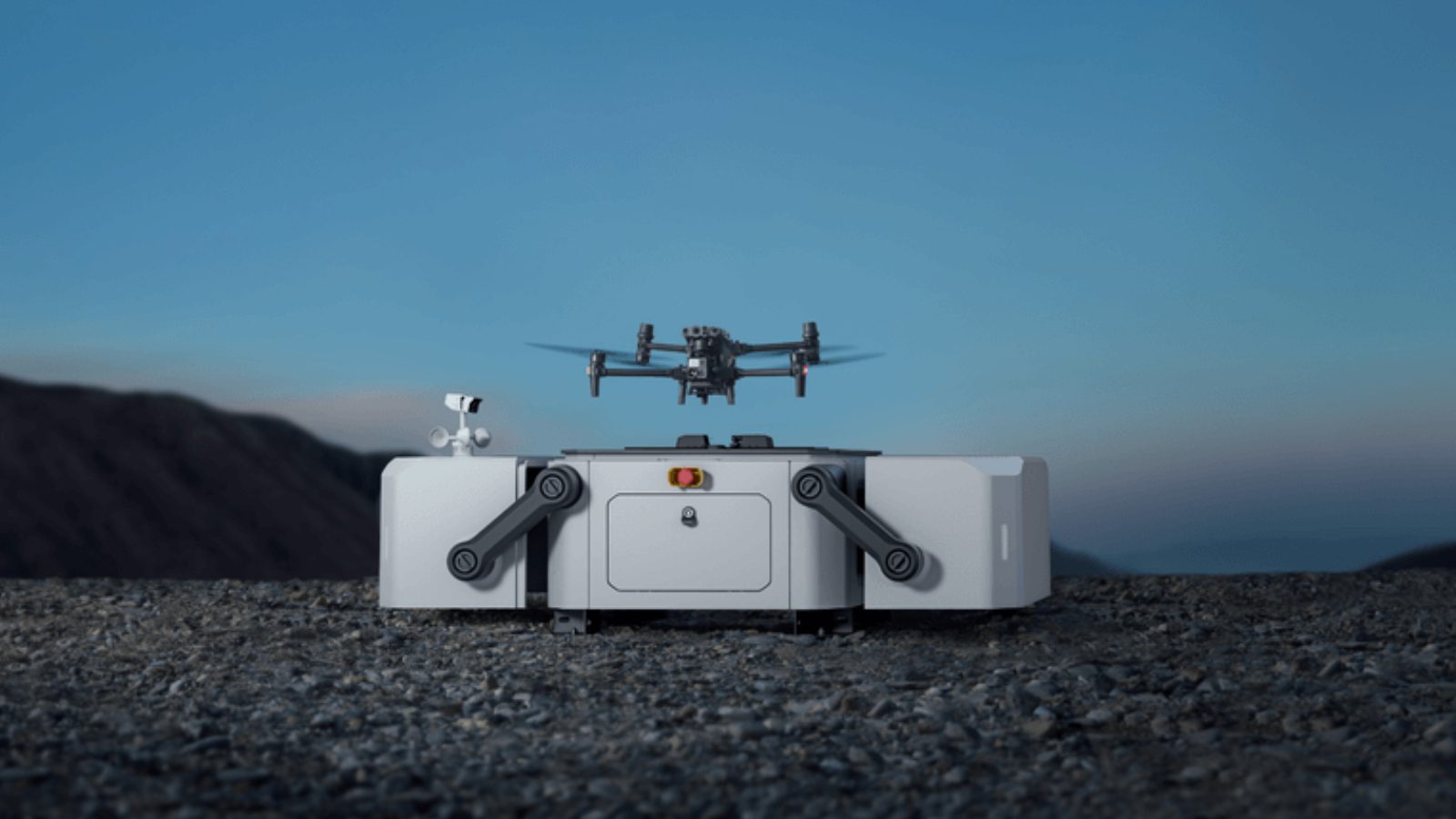
The Neo 2 fits right into that shift. Almost every big update from intelligent tracking to obstacle sensing exists to reduce how much decision-making the user has to do. The drone spends less time waiting for commands and more time anticipating them.
Final Thoughts: A Meaningful Upgrade for Beginners
Will the Neo 2 replace DJI’s pricier camera drones for professional filmmakers? Probably not. It isn’t aiming at that job.
What it is aiming at feels more important, though: a maturing of the entry-level drone category. Capabilities that used to live only on flagship aircraft are moving into lighter, simpler products built for everyday creators.
And just like computational photography reshaped smartphone cameras over the past decade, computational flight might be ready to reshape consumer drones too. The Neo 2 is one of the clearest signs yet that DJI believes the future of aerial imaging is less about making drones harder to control, and more about making them almost disappear in the background.
If you just want compelling footage without worrying about flight paths, camera angles, or obstacle avoidance, then that may be the most meaningful upgrade of all.

Comments are closed.