

At the start of every season, the coaches and some players are called in to view the guidelines given to referees and VAR officials, so everyone has a good understanding of how the rules will be applied.
Following the changes introduced by IFAB for the 2026 World Cup, the AIA (Italian Referees’ Association) has adopted some of those recommendations.
Serie A has new VAR protocol
Those include giving VAR extra powers to correct decisions that could affect the result, for example an incorrect second yellow card, using the ‘mistaken identity’ rule.
VAR can also have the option of overturning an incorrect corner kick, but only if the decision can be made without slowing down the resumption of play.
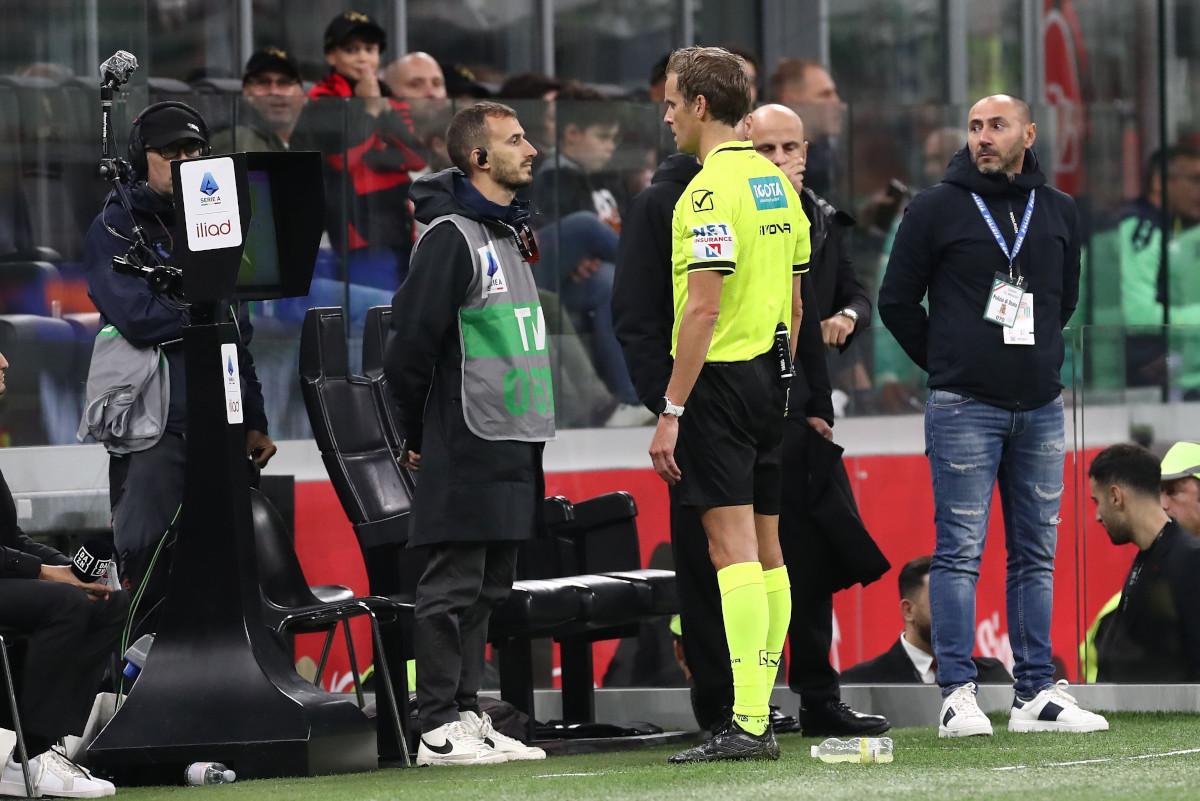
Serie A has a serious problem with the lack of playing time, so the new rules will try to combat it by speeding up the substitution process.
The new protocol states that unless a player leaves the field within 10 seconds of his number being shown by the fourth official, then his replacement will not be allowed on until the play has stopped, or at least after a whole minute of play resuming.
There will also be a countdown of five seconds for players taking throw-ins or goal kicks, and if they go over the limit, the referee can punish that team by giving the throw-in to the other side, or assigning a corner for the opposition.
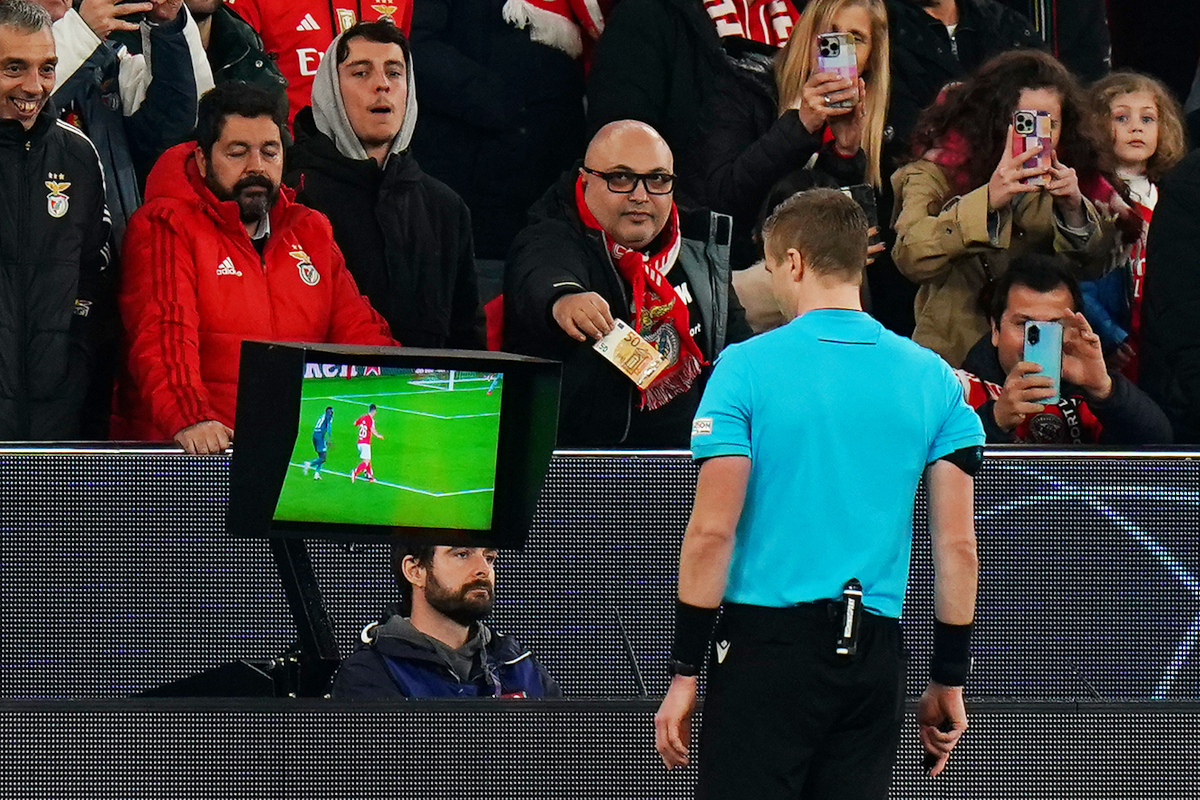
The protocol for injuries seen at the World Cup will also be adopted in Serie A, so if a player requires treatment on the field, he must wait for at least one minute before coming back on.
The only exceptions are if there is a serious clash of heads, the injury comes from a foul warranting a yellow or red card, or it involves the goalkeeper.
Serie A is adopting the controversial rule giving the referee the option to show a straight red card if a player covers his mouth while in a provocative or offensive interaction with an opponent.
Other adjustments are to the DOGSO protocol (denial of a clear goal-scoring opportunity), so if a referee plays the advantage and the team manages to score a goal, there will be no card for the foul in the build-up.
Another change is for penalties, if a player slips and kicks the ball with both feet, it has until now been disallowed.
However, he’ll now get the opportunity to take it again if he scores.

Comments are closed.