
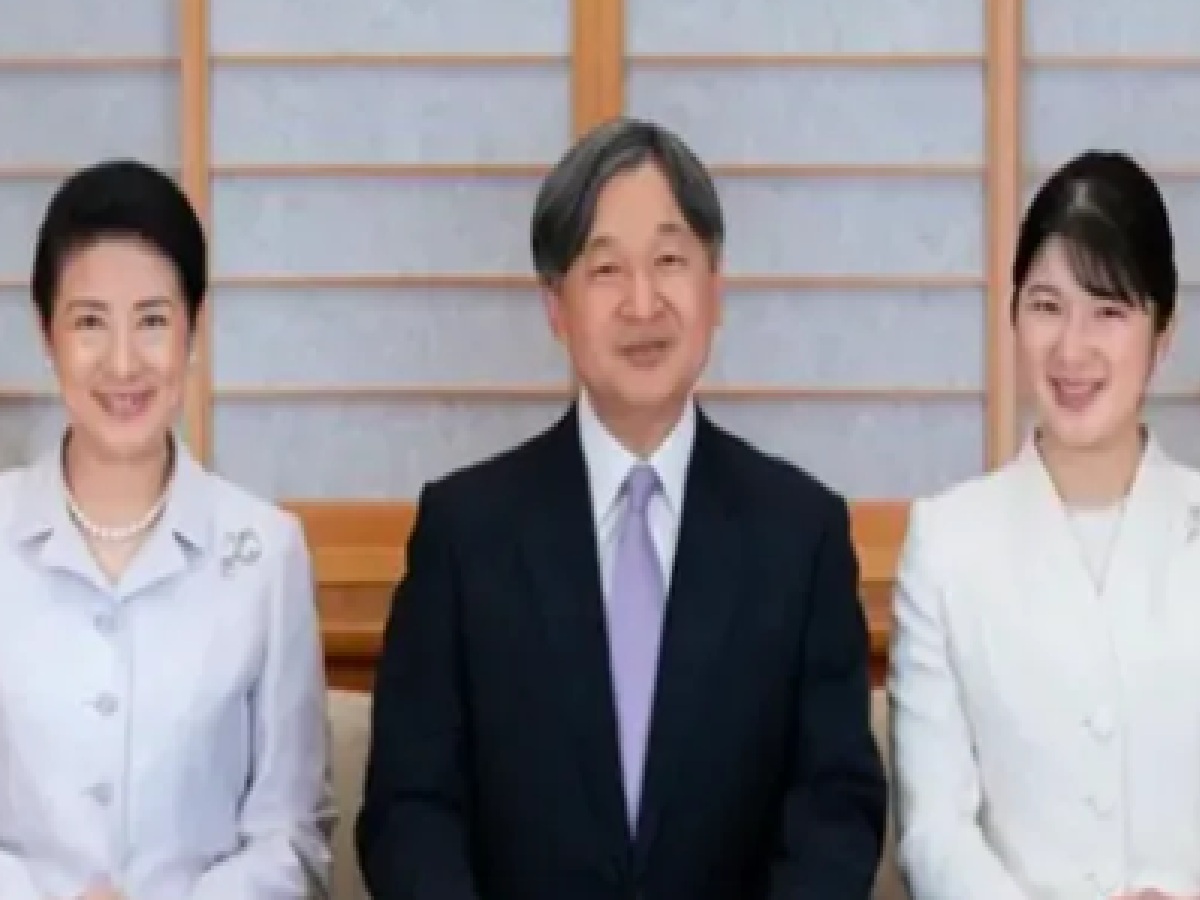
Japan Amends Centuries-Old Royal Law Restricting Throne Exclusively To Male Heirs Amid Growing Lineage Crisis:

TOKYO: In a highly significant legislative development that will shape the future of the world’s oldest continuous hereditary monarchy, Japan’s parliament has officially passed a landmark amendment to the 19th-century Imperial House Law. The newly approved legal framework explicitly confirms that only male heirs retain the constitutional right to ascend the Chrysanthemum Throne. While the legislation provides ultimate clarity on the line of succession, it has simultaneously intensified nationwide debates regarding the long-term sustainability and survival of a rapidly shrinking and aging imperial household that faces a critical shortage of eligible young royals.
Strategic Legal Amendments: Adoption Mechanisms And Royal Status Retention For Princesses
To address the severe demographic pressures threatening the royal lineage, the newly passed parliamentary amendments introduce unprecedented structural mechanisms. The revised law now officially permits the imperial family to adopt distant male relatives from historical branches, effectively creating a broader pool of eligible future male heirs. Furthermore, in a major departure from previous rigid protocols, the legislation will now allow imperial princesses to retain their official royal status and administrative duties even after choosing to marry commoners, a strategic move designed to prevent the immediate depletion of working family members.
The Succession Path: Popular Princess Aiko Sidelined As Prince Hisahito Remains Crucial Heir
Despite enjoying immense public popularity and strong domestic support from Japanese citizens who favored a female monarch, Emperor Naruhito’s 24-year-old daughter, Princess Aiko, remains legally disqualified from the succession path under the amended law. The strict reinforcement of male-only lineage dictates that the throne will pass next to the Emperor’s younger brother, followed by his 19-year-old nephew, Prince Hisahito. Highlighting the extreme fragility of the current system, Prince Hisahito stands out as the solitary male child born into the imperial family across the last four decades, leaving the 1,500-year-old institution dependent on a very small group of heirs.
Demographic Crisis Deepens: Analyzing The Stark Gender Imbalance In The Chrysanthemum Lineage
The legislative intervention comes at a time when the imperial household’s internal demographics have reached an unprecedented low point. Out of the remaining 16 adult members currently comprising the inner royal circle, a mere five are male, with the line extending down to the Emperor’s 90-year-old uncle. With no other young children currently born into the family, royal watchers and constitutional experts warn that relying entirely on traditional male-preference rules presents a massive institutional risk. The new adoption parameters will serve as a critical test to see if external lineage integration can successfully protect Japan’s ancient monarchical system.

Comments are closed.