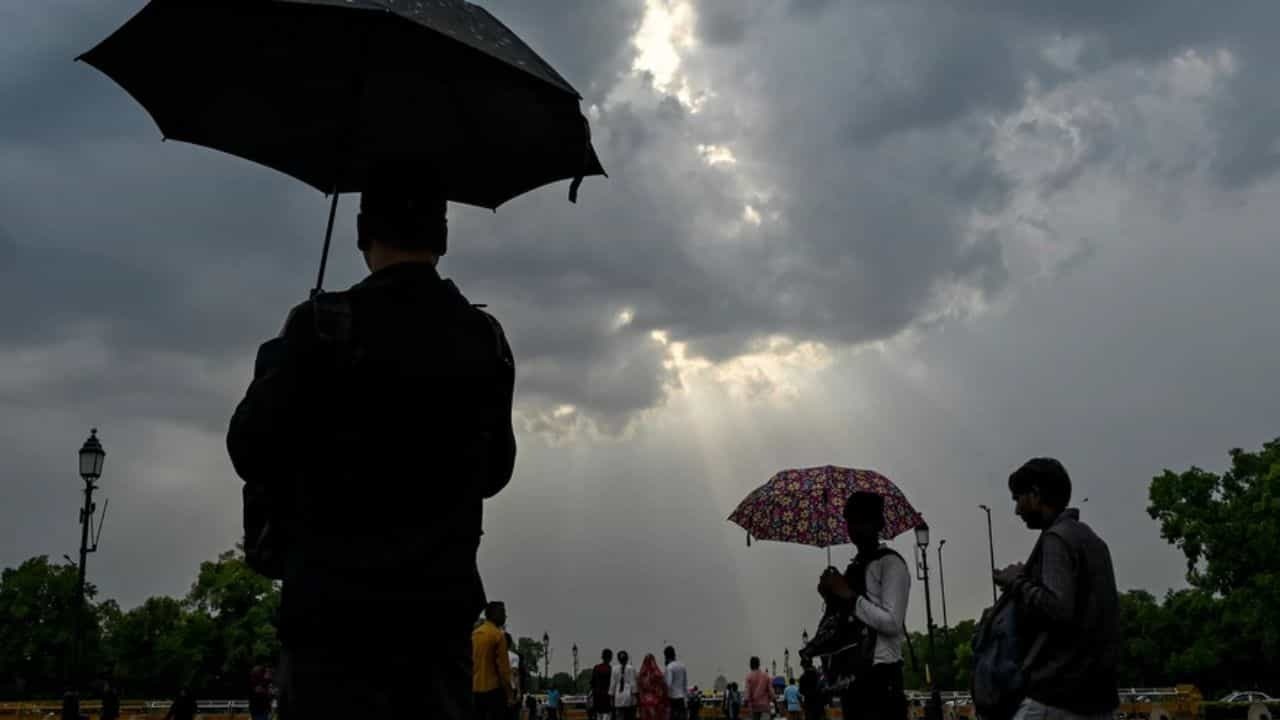
New Delhi: The central government has taken a historic decision to address the deaths and property losses caused by heatwaves, which occur annually due to intense heatwaves in the country, and lightning strikes during the monsoon season. According to official information provided in the Upper House of Parliament (Rajya Sabha) on August 4, 2026, heatwaves and lightning strikes have now been formally included in the list of notified ‘natural disasters’ under the new guidelines of the State Disaster Response Fund (SDRF) and the National Disaster Response Fund (NDRF). This move, based on the recommendations of the 16th Finance Commission (2026-31), will now allow affected individuals and affected families to receive compensation and financial assistance directly from the government’s disaster fund.
Earlier, only incidents like floods, cyclones, earthquakes, droughts, landslides and hailstorms were counted among the notified disasters, while compensation for losses caused by heat waves and lightning was entirely dependent on the discretionary powers of the state governments.
Recommendation of the 16th Finance Commission: Why was this big decision taken?
Climate change in India has led to an unprecedented increase in extreme heat and lightning events over the past few years. The 16th Finance Commission, in its report to the central government, clarified that heat waves and lightning are now among the most deadly weather events in the country.
Accepting the Commission’s recommendations, the government has included both these events within the National Disaster Relief Framework, giving state governments full legal authorization to use their Substantial Disaster Relief Fund (SDRF) directly to respond to these disasters, provide prompt medical care, raise awareness, and provide financial relief to affected families.
Who will get financial compensation and how much: Know the complete guidelines
With the implementation of the new guidelines, it will now be easier and smoother for the affected families to get compensation under the government process:
Category of Disaster
Compensation and Relief Amount (Standard SDRF/NDRF Rules)
In case of loss of life (in case of death),
an ex-gratia amount of Rs 4 lakh to the nearest dependent (heir) of the deceased.
In case of serious injuries,
assistance of Rs 59,000 for 40% to 60% disability and Rs 2 lakh for more than 60% disability.
Financial assistance up to Rs 16,000 for hospitalization (critical condition)
for treatment lasting more than 1 week.
Compensation for loss of cattle/animal (milch animals)
up to Rs 37,500 on death of cow, buffalo and up to Rs 32,000 on non-milch animals.
In case of crop loss
of more than 33%, compensation will be determined on the basis of irrigated and non-irrigated land.
Documents required to get compensation and application process
In case of death due to sunstroke or lightning, the family members will have to complete the following process to get compensation:
FIR and Postmortem Report: In case of death due to lightning or heat stroke, police report (FIR/Panchnama) and postmortem report from a government hospital will be mandatory to certify the exact cause of death.
Revenue Officer’s Report: The local Patwari or Lekhpal will inspect the spot and prepare his verification report.
Required Documents: Aadhar Card of the deceased and heir, Death Certificate, Bank Passbook and Waris (Successor) Certificate have to be submitted to the Tehsil or Block Office.
Direct Benefit Transfer (DBT): The compensation amount will be transferred directly to the beneficiary’s bank account within 30 to 60 days of verification.
This step of the government will provide great relief especially to the farmers, farm labourers and the poor working outside in the rural areas, who are the biggest victims of this natural calamity of weather every year.