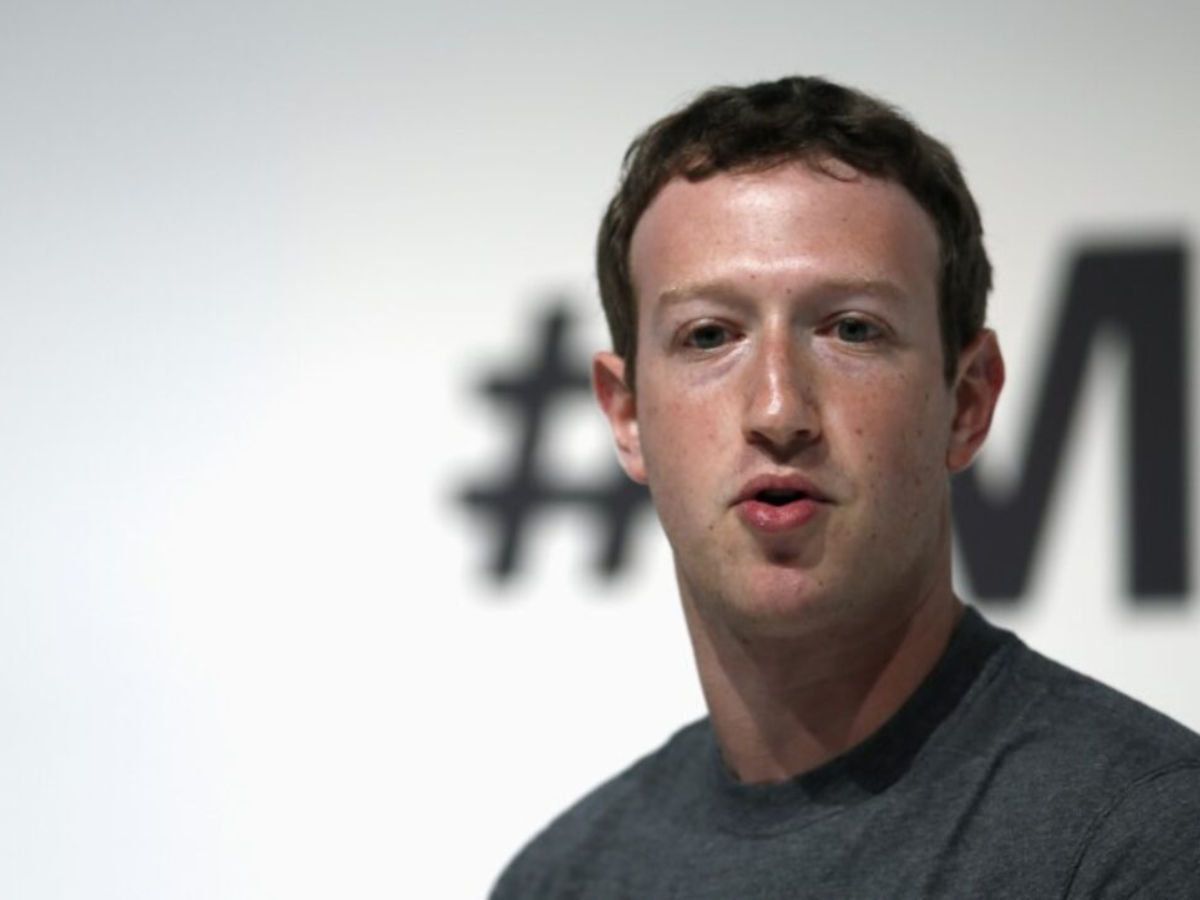
Following a three-day ultimatum to apologize over the removal of Prime Minister Narendra Modi’s July 23 video on social media, Meta CEO Mark Zuckerberg has sent a formal apology to the Indian parliamentary panel and government officials. The warning stemmed from mounting concerns regarding CSAM (Child Sexual Abuse Material), deepfake content, and operational errors on the platform. Reports had claimed that failure to take accountability and penalize responsible parties would prompt the committee to recommend stripping Meta of its “safe harbor” protection in India.
Why Meta CEO Mark Zuckerberg Issued an Apology to India
Sources have claimed that Zuckerberg issued the apology to the Indian government following intense scrutiny over the company’s content moderation practices and severe operational lapses. The reprimand came after the Parliamentary Committee on Communications and Information Technology raised serious concerns over the unchecked spread of harmful content, including child sexual abuse material, deepfake media, and algorithmic moderation failures.
Mark Zuckerberg sent his apologies for the CSAM (Child Sexual Abuse Material) content, deepfake content and errors in operating the platform.
It was made clear to them that they are not covered under Intermediary definition. They select who receives the content. Safe harbour… pic.twitter.com/CrwfQrsN1V
— ANI (@ANI) August 5, 2026
The issue gained heightened political and public attention when Meta briefly removed a Facebook video posted by Prime Minister Modi, initially dismissing the takedown as a mere operational error. Sources indicated that Zuckerberg acknowledged the company’s mistakes, expressed deep regret over content moderation failures, and reaffirmed Meta’s commitment to prioritizing user safety and fully cooperating with Indian regulatory authorities.
What Was the Meta-PM Modi Video Controversy?
Last month, Prime Minister Modi shared a direct selfie video on social media carrying a strong message aimed at Gen Z, promising strict legislative action against paper leaks amid ongoing student protests. While the video was widely shared, its temporary ban on Facebook triggered immediate government backlash.
Although Meta blamed the removal on a technical glitch and offered a preliminary apology, top government officials dismissed the explanation as unconvincing. The panel emphasized that a global tech giant of Meta’s stature should possess robust internal mechanisms to prevent such high-profile administrative mistakes from occurring.
Shamshad Ali is a New Delhi–based journalist with over six years of experience spanning breaking news writing, on-the-ground reporting, and editing. When he isn’t chasing headlines, Shamshad is usually exploring new destinations, discovering hidden culinary gems, and striking up conversations with strangers. Many of whom turn out to be great sources, and even better friends. He can be reached at shamshadali.dar@gmail.com.
The post Explained: Why Meta CEO Mark Zuckerberg Issued An Apology To India appeared first on NewsX.