
Jantar Mantar Protest: What Is Tear Gas, Which Chemicals Does It Contain and Is It Harmful?

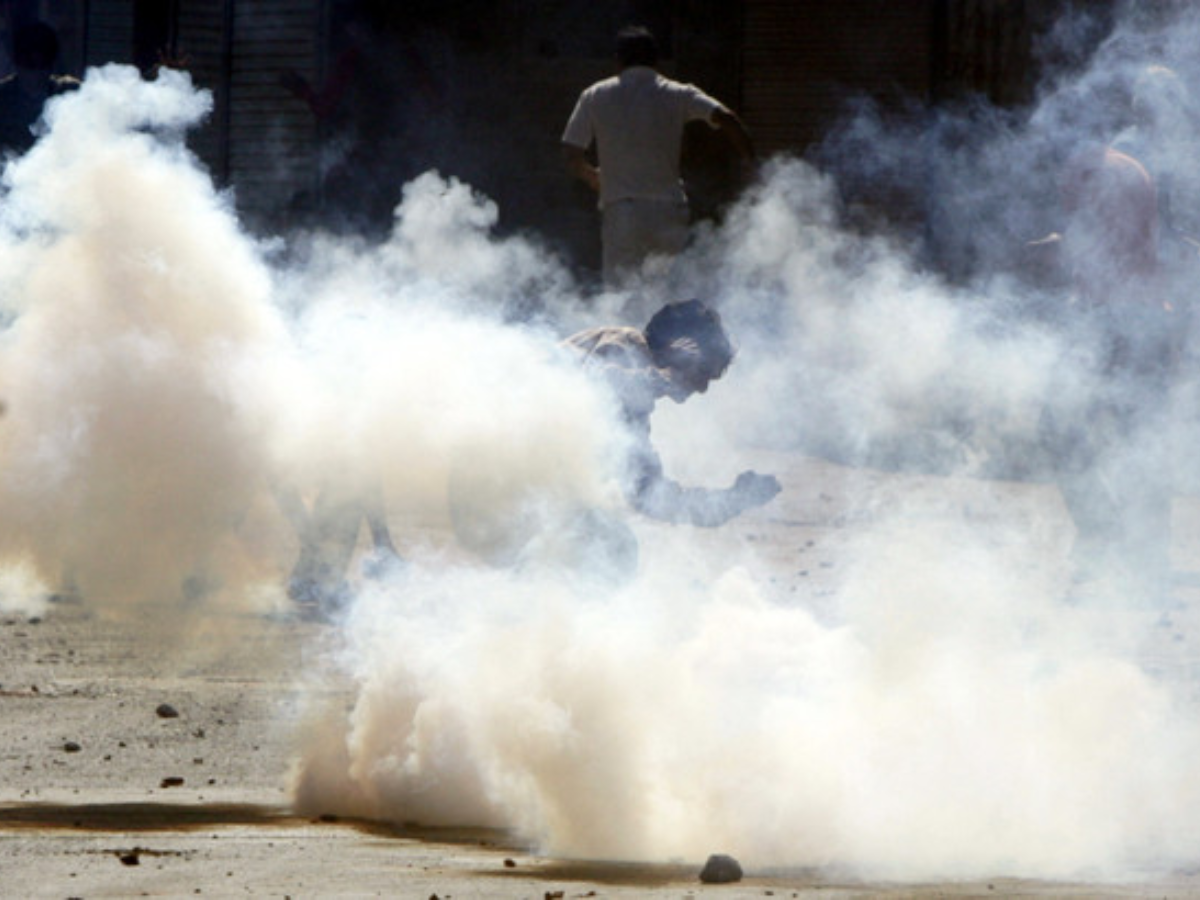
During the recent ‘Chalo Sansad’ rally on July 20, several student protesters reported experiencing severe physical symptoms after being exposed to tear gas deployed by the Delhi Police and Rapid Action Force personnel. Protesters reported persistent eye burning, difficulty working, and continuous coughing hours after the incident. Tear gas shells are widely used by law enforcement agencies as a non-lethal crowd-control measure to disperse large gatherings quickly. The chemical irritants within the canisters trigger immediate physical discomfort, forcing individuals to clear the affected area.
Tear Gas Shells and Chemicals Present
Tear gas does not consist of a natural gas; rather, it is composed of synthetic chemical compounds suspended as fine airborne particles or aerosols. Security forces deploy these irritants using grenades, cartridges, spray canisters, or launched projectiles. Once released, the airborne chemicals stimulate sensory nerve endings in the eyes, mouth, throat, and respiratory tract.
The most widespread chemical compound used for riot control is Chlorobenzalmalononitrile (CS gas), favored for its rapid onset and temporary effects. Another chemical agent, Chloroacetophenone (CN gas), is an older compound that is generally more toxic than CS gas. Authorities also utilize Dibenzoxazepine (CR gas), a highly potent irritant that causes intense discomfort even at extremely low concentrations. Lastly, Oleoresin Capsicum (OC spray), commonly known as pepper spray, uses a natural inflammatory extract derived from chili peppers to induce immediate eye closure and skin burning.
Are Tear Gas Harmful?
Exposure to chemical irritants triggers immediate reactions, including intense eye burning, excessive tearing, uncontrollable coughing, skin redness, and temporary difficulty breathing. For most healthy individuals, these primary symptoms begin to fade within 15 to 30 minutes after stepping into fresh air and washing affected areas with clean water.
However, the health risks increase significantly for vulnerable groups, such as children, the elderly, and individuals with underlying respiratory conditions like asthma. Inhaling high concentrations of chemical irritants in confined spaces or sustaining direct hits from high-velocity canisters can cause severe tissue burns, persistent lung irritation, or physical injury.
Why Do Police Use It?
Law enforcement agencies follow a graduated use-of-force framework during public order. Security personnel issue clear verbal warnings before escalating to physical barriers, water cannons, or chemical dispersants. Tear gas is deployed when initial measures fail to stop crowds from breaching restricted zones, serving as an intermediate tactic to restore order without resorting to lethal firearms. A large portion of the specialized tear smoke munitions used by police forces is manufactured natively by the Tear Smoke Unit under the Border Security Force. Although classified as less-lethal equipment, standard operating procedures dictate that tear gas deployment must remain necessary, proportionate, and strictly compliant with legal guidelines to prevent unnecessary harm.
Also Read: Raja Raghuvanshi Murder Case: Blow For Sonam as SC Cancels Her Bail: Here’s What Court Said
Shamshad Ali is a New Delhi–based journalist with over six years of experience spanning breaking news writing, on-the-ground reporting, and editing. When he isn’t chasing headlines, Shamshad is usually exploring new destinations, discovering hidden culinary gems, and striking up conversations with strangers. Many of whom turn out to be great sources, and even better friends. He can be reached at shamshadali.dar@gmail.com.
The post Jantar Mantar Protest: What Is Tear Gas, Which Chemicals Does It Contain and Is It Harmful? appeared first on NewsX.

Comments are closed.