
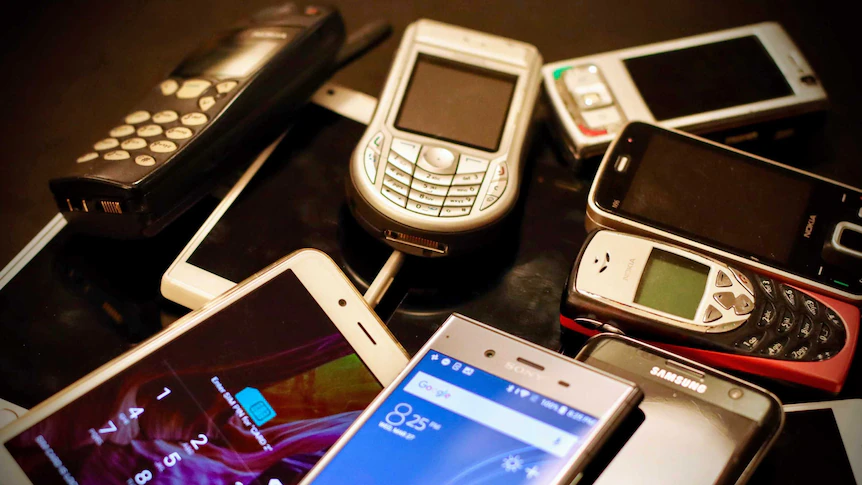

There was a time when buying a phone felt like making a long-term investment. People would use the same device for five or even six years without giving it a second thought. A scratched screen or faded keypad didn’t matter because the phone still did exactly what it was supposed to do. Many of those classic Nokia and Motorola handsets became legendary for surviving drops, harsh weather, and years of daily use.
Fast forward to today, and the story is very different. Most people start thinking about replacing their smartphones after just two or three years. Batteries barely last a day, apps become sluggish, storage fills up, and software updates eventually stop arriving. Even if the phone hasn’t physically broken, it often feels too slow or outdated to keep using.
So what changed? Are modern smartphones really built to fail sooner, or are we simply expecting too much from them?
The answer lies somewhere in between. From battery technology and sealed designs to software updates and consumer behavior, several factors have combined to shorten the lifespan of modern smartphones.
The Average Smartphone Lifespan Has Shrunk
Unlike older mobile phones that mainly handled calls and text messages, today’s smartphones function as cameras, gaming consoles, entertainment systems, navigation devices, digital wallets, and portable computers. They work much harder than the phones of the past, which naturally puts more stress on their components.
Industry estimates suggest that the average smartphone is replaced every two to three years, even though many devices remain technically functional beyond that point. Some premium phones can easily last five or more years with proper care, but most users upgrade long before then.
This shorter replacement cycle benefits manufacturers, carriers, and retailers, but it also means consumers spend more money on new devices than ever before.
Batteries Are Designed to Wear Out
The biggest reason smartphones lose their usefulness isn’t the processor or the display—it’s the battery.
Nearly every smartphone today uses a lithium-ion battery. While these batteries are efficient and lightweight, they have one unavoidable weakness: they degrade over time.
Every complete charge and discharge counts as a charge cycle. After roughly 500 to 1,000 charge cycles, most batteries lose a significant portion of their original capacity. Instead of lasting all day, your phone might only survive a few hours before needing another charge.
The battery doesn’t suddenly fail overnight. Instead, the decline is gradual. You begin charging your phone twice a day, then three times a day, until the experience becomes frustrating enough that replacing the device seems like the easiest option.
No software update or optimization can completely reverse the natural aging process of lithium-ion batteries.
Sealed Designs Make Repairs Difficult
Years ago, replacing a battery was incredibly simple. You removed the back cover, swapped in a new battery, and your phone felt almost brand new.
Modern smartphones are built very differently.
Manufacturers seal devices with strong adhesives to improve water resistance, reduce thickness, and create sleeker designs. While these changes produce attractive phones, they also make repairs much more complicated.
Replacing a battery now often requires specialized tools, heat guns, delicate disassembly, and professional expertise. Even experienced repair technicians risk damaging screens or internal cables during the process.
As repair costs increase, many consumers conclude that buying a new phone makes more financial sense than fixing the old one.
The result is a shorter practical lifespan—even when only one component actually needs replacing.
Credits: SamMobile
Software Moves Faster Than Hardware
Hardware isn’t always what makes a phone feel old.
Software plays an equally important role.
Every year, operating systems become more advanced. They introduce AI features, enhanced security, richer animations, and more demanding applications. While newer phones handle these improvements effortlessly, older processors often struggle.
Apps themselves also grow larger and more resource-intensive. Social media platforms, games, and productivity software require significantly more memory and processing power than they did just a few years ago.
As a result, phones that once felt incredibly fast gradually become slower—not necessarily because they’re broken, but because modern software demands more than older hardware can comfortably provide.
The End of Software Support
Even if your smartphone continues working perfectly, software support eventually ends.
Most Android manufacturers provide security updates for only a limited number of years, although flagship devices now receive longer support than before. Apple generally supports iPhones longer than most Android brands, but older models are eventually left behind as well.
Once updates stop arriving, users face an uncomfortable decision.
Continue using a device that may become increasingly vulnerable to security threats, or upgrade to a newer phone with ongoing support.
For businesses and security-conscious users, continuing without updates isn’t always a practical option.
This effectively creates an expiration date—even if the hardware itself still functions well.
Planned Obsolescence: Accident or Strategy?
One of the most controversial discussions in consumer technology revolves around planned obsolescence.
The concept refers to designing products with intentionally limited lifespans so customers replace them more frequently.
Manufacturers strongly deny deliberately making products fail early. However, critics argue that several industry practices create exactly that outcome.
Short software support windows, difficult repairs, expensive replacement parts, glued-in batteries, and yearly hardware refreshes all encourage consumers to purchase new devices sooner than necessary.
Whether intentional or simply a consequence of modern design priorities remains heavily debated.
Regardless of the motivation, the end result is clear: smartphones are replaced far more frequently than older mobile phones ever were.
Credits: ComputerUser
The Apple Battery Controversy
Few events fueled the planned obsolescence debate more than Apple’s battery slowdown controversy.
Several years ago, users noticed that older iPhones became noticeably slower after software updates. Apple later confirmed that it intentionally reduced processor performance on certain devices with aging batteries.
According to the company, the slowdown wasn’t meant to encourage upgrades but to prevent unexpected shutdowns caused by degraded batteries that could no longer deliver peak power.
The explanation had technical merit, but many customers felt they should have been informed before performance was reduced.
The controversy resulted in lawsuits across multiple countries and eventually led Apple to pay hundreds of millions of dollars in settlements while introducing battery health information and replacement programs.
The incident permanently changed public perception regarding how smartphone companies manage aging devices.
Repairs Are Becoming Increasingly Expensive
Broken screens, damaged charging ports, faulty cameras, and worn-out buttons have always been repairable.
The problem today is cost.
Premium smartphones use sophisticated OLED displays, custom camera systems, waterproof seals, and tightly integrated components that significantly increase repair expenses.
In many cases, replacing a cracked display costs several hundred dollars.
For older phones, spending that much money often feels irrational when a newer device can be purchased with better performance and warranty coverage.
This economic reality pushes consumers toward replacement rather than repair—even when repairs remain technically possible.
Fortunately, the growing Right to Repair movement is encouraging manufacturers to improve access to spare parts and repair documentation, though progress remains uneven across the industry.
Consumers Also Play a Role
Manufacturers aren’t solely responsible for shorter smartphone lifespans.
Consumer behavior has changed dramatically.
Marketing campaigns emphasize better cameras, thinner designs, brighter displays, AI-powered features, and faster processors every year. Social media influencers showcase the latest flagship devices, making perfectly capable phones appear outdated overnight.
Many people replace smartphones that still function perfectly simply because something newer exists.
For others, upgrading has become a yearly habit rather than a necessity.
In many cases, desire—not failure—is what drives smartphone replacement.
Heavy Usage Accelerates Wear
Today’s smartphones work harder than any previous generation of mobile devices.
They stream high-definition videos for hours, capture 4K footage, run demanding games, perform AI-powered photo editing, manage GPS navigation, connect to multiple wireless networks, and support constant background synchronization.
All of this generates heat.
Heat is one of the biggest enemies of lithium-ion batteries and electronic components.
Frequent fast charging, intensive gaming, prolonged video recording, and constant multitasking place additional stress on internal hardware, gradually accelerating wear over time.
The harder a phone works, the faster its components age.
The Environmental Cost of Shorter Lifespans
The consequences extend beyond consumers’ wallets.
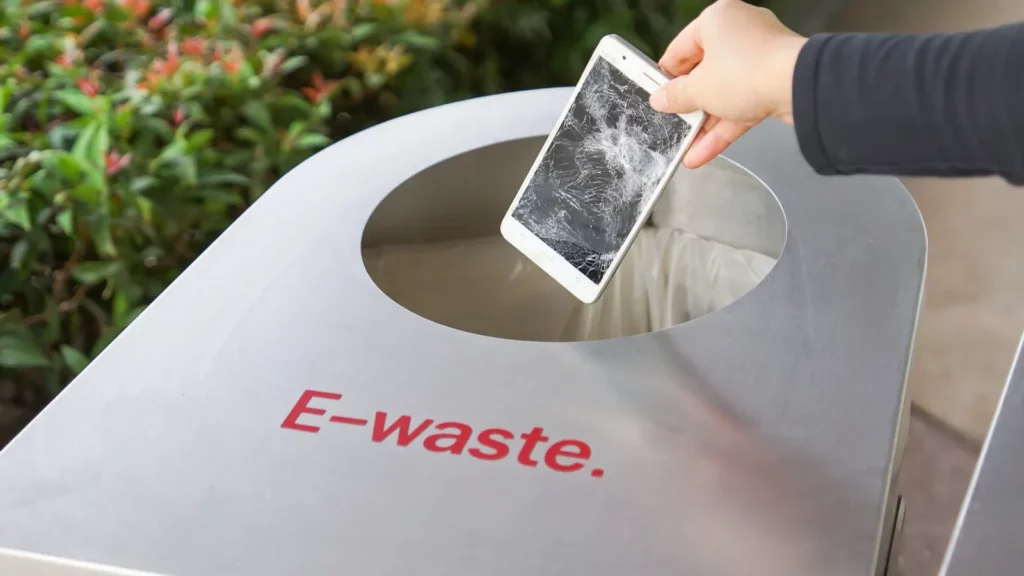
Every year, millions of smartphones become electronic waste despite remaining partially functional.
Producing new smartphones requires mining rare earth minerals, consuming enormous amounts of energy, and generating significant carbon emissions.
Replacing phones every two or three years instead of every five or six dramatically increases resource consumption.
While recycling programs continue expanding worldwide, many valuable materials remain difficult to recover efficiently.
Extending smartphone lifespans—even by one additional year—could substantially reduce electronic waste while lowering the environmental impact of consumer electronics.

Credits: PCMag
Can You Make Your Phone Last Longer?
The good news is that smartphones aren’t guaranteed to become obsolete after just a few years.
Simple habits can significantly extend their lifespan.
Using a protective case and screen protector reduces physical damage. Avoiding excessive heat preserves battery health. Charging between roughly 20% and 80% instead of constantly reaching 100% can slow battery degradation. Regularly clearing unused apps and storage also helps maintain performance.
If battery replacement is reasonably priced, replacing the battery instead of the entire phone can add several more years of usable life.
Most importantly, resisting the urge to upgrade simply because a newer model exists can save money while reducing electronic waste.
Final Thoughts
Modern smartphones are marvels of engineering, but they don’t seem to last as long as the mobile phones many people remember. The reasons are complex. Batteries naturally wear out, sealed designs make repairs difficult, software becomes increasingly demanding, manufacturers eventually end support, and aggressive marketing encourages constant upgrades.
Some of these changes are unavoidable consequences of technological progress. Others reflect business decisions that prioritize sleek designs and rapid innovation over long-term durability.
Understanding these factors allows consumers to make smarter purchasing decisions. Instead of assuming every slowdown means it’s time for a new phone, it may simply be a worn battery, outdated software, or a repair that’s worth considering.
The smartphone replacement cycle isn’t inevitable. With better repairability, longer software support, and more mindful consumer habits, today’s devices could continue serving us for far longer than many people realize.

Comments are closed.