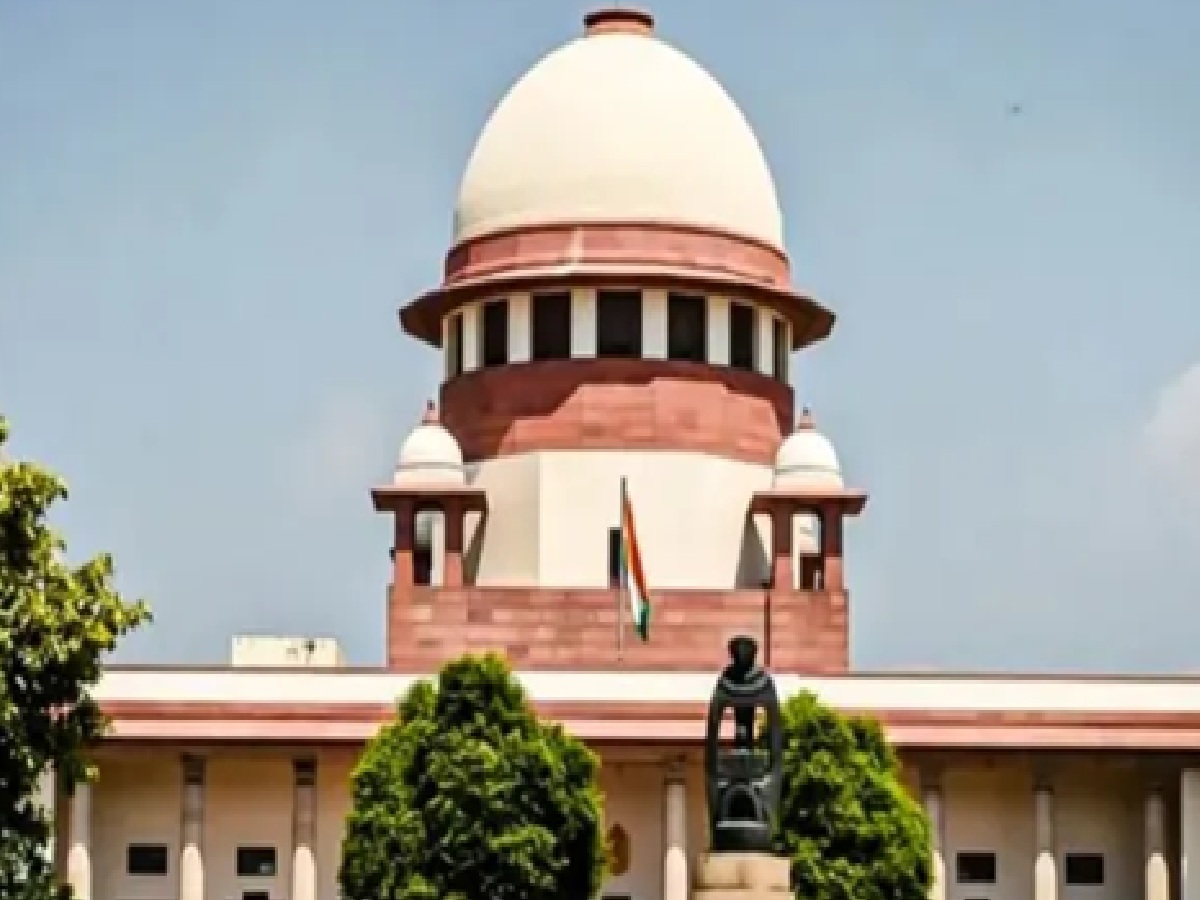
In a landmark and uncompromising stance, the Supreme Court of India has delivered a stern warning to fraudulent real estate builders attempting to dodge criminal accountability. The apex court made it unequivocally clear that making out-of-court settlements or individual compromises with a few homebuyers will not halt the ongoing Central Bureau of Investigation (CBI) probes. The judiciary’s message is crystal clear: the sweeping investigations into developer fraud, cheating, and the misappropriation of deposited funds will continue relentlessly until every single homebuyer receives rightful justice, possession of their property, or a complete refund.
CJI-Led Bench Directs Unrelenting Scrutiny on Defaulting Developers
The high-stakes legal proceedings stem from systemic builder fraud involving massive residential project delays where developers collected substantial funds from homebuyers and financial institutions under various housing schemes, only to leave construction stalled indefinitely. Despite the stalled projects, banks continued to relentlessly deduct and charge Equated Monthly Instalments (EMIs) from distressed buyers. Presiding over the bench, Chief Justice of India Surya Kant emphasized that individual developer settlements cannot override systemic accountability, ensuring that predatory builder practices face the full force of the law.
CBI Status Report Implicates Major Banks and Financial Institutions
Updating the Supreme Court on the sweeping judicial crackdown, Additional Solicitor General (ASG) Aishwarya Bhati revealed that investigations into 18 out of the 50 total First Information Reports (FIRs) ordered by the apex court have successfully concluded. To date, 17 detailed chargesheets and one closure report have been formally filed in court. Shockingly, these chargesheets explicitly name several senior officials from top-tier financial institutions, including the State Bank of India (SBI), Bank of India, UCO Bank, HDFC, and ICICI Bank, accusing them of direct criminal collusion with errant builders.
Prevention of Corruption Act Invoked and Strict Timelines for Banks
The CBI has invoked the stringent Prevention of Corruption Act against the implicated bank officials, seeking formal sanction for their prosecution. Demonstrating zero tolerance for bureaucratic delays, the Supreme Court directed the concerned banks to grant official prosecution approvals within a strict two-week window, warning that failure to comply would invite direct judicial scrutiny and formal explanations. Furthermore, the court instructed the CBI to seamlessly share crucial money-trail documents and financial audit trails with the Enforcement Directorate (ED) to initiate parallel money laundering investigations under the Prevention of Money Laundering Act (PMLA).
Comprehensive Probe Into Major Real Estate Groups
The Supreme Court’s bench has mandated the CBI to conduct exhaustive, pan-India forensic investigations into several prominent real estate entities. The targeted developers include Ozone Group operating across Karnataka, Maharashtra, and Tamil Nadu; Vivansha in Bengaluru; Rudra Buildwell in Greater Noida; and Omaxe Group in Chandigarh. Preliminary findings revealed grave allegations that these developers marketed and entered into formal agreements with homebuyers and financing banks while lacking clear, legal ownership rights over the underlying project land, effectively committing organized financial fraud.
Additional Manpower Deployed to Expedite CBI Investigations
Acknowledging the immense operational burden and excessive caseload flagged by the investigative agency, the Supreme Court took proactive administrative measures. The bench directed the Directors General of Police (DGPs) across key states—including Uttar Pradesh, Tamil Nadu, Karnataka, Maharashtra, and Punjab—to immediately depute additional skilled personnel and investigative staff to the CBI within 10 days. By reinforcing the investigative machinery and cutting off loopholes for developer settlements, the Supreme Court has reaffirmed that protecting the rights and financial life-savings of everyday homebuyers remains its paramount priority.