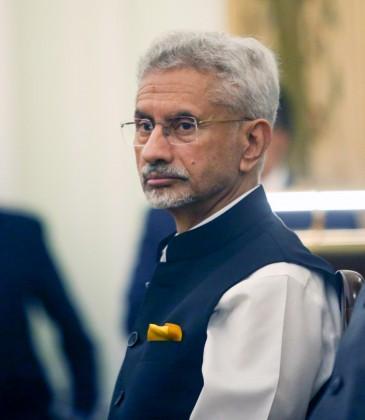
External Affairs Minister Dr S. Jaishankar on Friday made it clear that normal bilateral relations with Pakistan can move forward only in an environment free from terrorism, hostility and violence.
Replying to a question by Dharmendra Yadav in the Lok Sabha regarding the present status of bilateral relations between India and Pakistan since the Pulwama terror attack and the changes that have taken place at the political, diplomatic and trade levels between the two countries, the External Affairs Minister said, “It is the government’s firm position that India’s relations with Pakistan can only move ahead in an environment free of terror, hostility and violence.”
“However, Pakistan continues to follow the policy of cross-border terrorism and using terrorism as an instrument of state policy against India,” the minister said.
Jaishankar further said that following the Pulwama terror attack, India withdrew the Most Favoured Nation (MFN) status accorded to Pakistan and raised customs duty on all goods originating in or exported from Pakistan to 200 per cent.
He said Pakistan subsequently announced certain unilateral measures, including downgrading diplomatic relations and suspending bilateral trade with India.
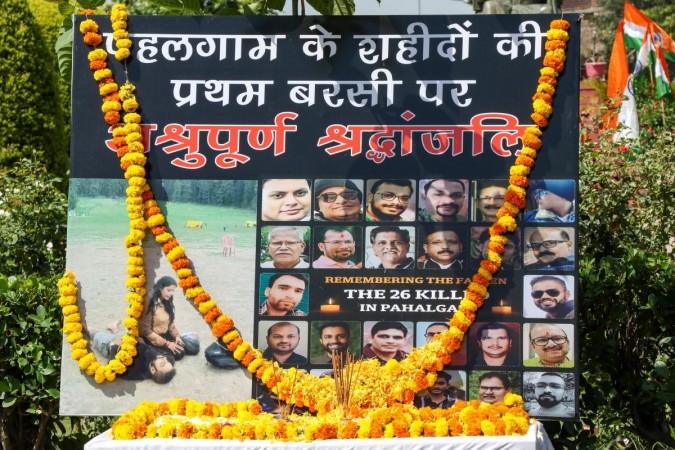
“In response to the Pahalgam terror attack perpetrated by Pakistan-sponsored terrorists on April 22, 2025, India took a number of diplomatic steps, including holding in abeyance the Indus Waters Treaty, closing the checkpost at Attari, restricting visas and downsizing the diplomatic and official presence at the respective missions,” the External Affairs Minister informed the House.
He said military action targeting terrorist infrastructure in Pakistan and Pakistan-occupied Jammu and Kashmir was also undertaken.
“At present, India and Pakistan maintain their respective diplomatic missions in each other’s capitals. Both sides continue to have functional engagements, including DGMO-level talks, exchange of pre-notifications of ballistic missile flight tests, exchange of lists of nuclear installations and exchange of lists of prisoners in each other’s custody,” Jaishankar said.
“India has made clear its approach of responding appropriately to cross-border terrorism and its infrastructure, not tolerating any form of blackmail and taking comprehensive steps to protect its citizens. These considerations shape India’s conviction that normal bilateral relations require an end to cross-border terrorism,” he reiterated.
Efforts to Secure Permanent UNSC Membership for India
Replying to another question by Ramprit Mandal regarding initiatives being taken by the government to secure permanent membership for India in the United Nations Security Council (UNSC), Minister of State for External Affairs Kirti Vardhan Singh said the government accords the highest priority to securing permanent membership for India in an expanded UNSC.
“This is consistently taken up by India both bilaterally and multilaterally at various levels, including at the highest levels. India’s engagements in this regard cover various countries, including all five permanent members of the UNSC,” he said.
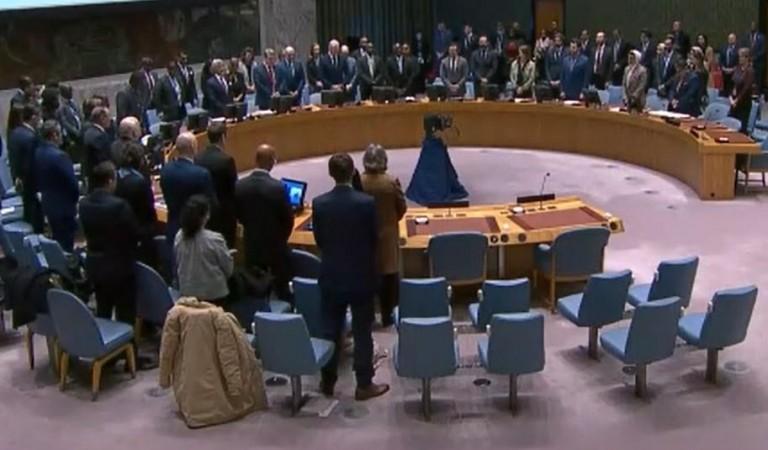
“Expansion of the UNSC warrants an amendment of the United Nations Charter. India strongly believes that it has all the credentials to be a permanent member of a reformed and expanded UNSC that reflects contemporary global realities,” Singh said.
He added, “India consistently highlights the need for expanding both permanent and non-permanent categories and greater representation of developing countries, with emphasis on the Global South, in an expanded and reformed UNSC.”
The minister further said India has also been advocating the early commencement of text-based negotiations with clearly laid-out timelines and milestones.