New Delhi. There’s significant relief for customers who haven’t been able to repay their bank loans on time. Financial difficulties or other reasons often prevent people from paying their personal, home, or car loan EMIs on time. Consequently, complaints of pressure from recovery agents have surfaced.
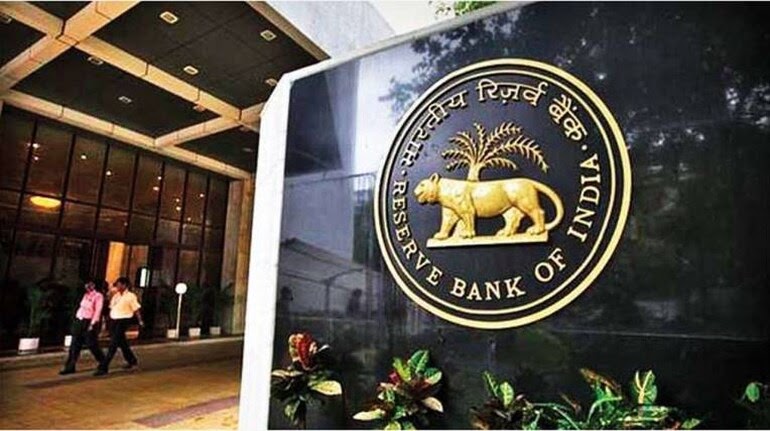
The Reserve Bank of India (RBI) has now issued strict guidelines regarding customer privacy and digital security during loan recovery. According to the new RBI regulations, banks or financial institutions will not be able to lock or disable a customer’s mobile phone, tablet, or laptop solely for loan recovery purposes. These new provisions will come into effect on January 1, 2027.
Banks will not be able to lock phones in case of loan default.
The most important part of the new rule relates to device locking. If a person has taken out a personal loan, home loan, or vehicle loan from a bank and, for some reason, is unable to pay their EMIs on time, their personal devices will not be turned off or locked solely to recover the outstanding amount. This means that for normal loan recovery, banks or recovery agencies cannot block a customer’s personal mobile phone or computer through any technical means.
RBI Takes Action Following Complaints
The RBI received numerous complaints related to loan recovery. These included complaints of repeated harassment of customers, inappropriate contact, pressure through social media, and the use of offensive language. Keeping these issues in mind, the central bank has formulated new rules to strengthen the protection of customers’ dignity, privacy, and digital rights in the recovery process.
Restrictions May Be Imposed Under Certain Circumstances
However, this does not mean that a bank cannot restrict a device under any circumstances. If a loan was taken from the same bank or financial institution to purchase a mobile phone, tablet, or laptop, there may be a provision to limit certain features of the device under certain conditions. However, even in such a situation, the bank must follow a prescribed process and a phased approach rather than simply shutting down the entire device.
Emergency Calls and Essential Services Will Remain Active
The RBI has also made important provisions related to customer safety. Even if certain features of the device are restricted under eligible circumstances, services such as incoming calls, important messages, and Emergency SOS will not be disrupted. This is intended to ensure that individuals can access necessary assistance from their phones in an emergency.
Recovery agents will not receive unnecessary personal information
The new guidelines also tighten the rules regarding customer personal information. Banks will be required to share only the information truly necessary for the recovery process with their recovery agents or external agencies. The prohibition on sharing unnecessary personal information of the defaulter or guarantor with agents is intended to strengthen customer privacy and data security.