For a cricket generation that grew up on the thrilling drama of the 50-over game, the highlight of any tournament used to be the multi-team contests. The sight of three teams battling it out under the lights, weighing up net run rates on a tie-breaker day, and whittling down the field to a showdown is burned into the memory of cricket fans.
India ODI captain Shubman Gill has ideas to bring the excitement back, and he has the support of the powers that be.
While on his recent tour of England, Shubman Gill called for the resurrection of classic triangular and quadrangular series as a cure for the ODI fatigue.
He strongly opposed any shortening of the game in favour of a 40-over match. Gill said that there was no need to alter the basics of the game in order to attract newer audiences. To him, a 50-over game was perfect. What was needed was a bit more spice in the narrative.
“If people feel that this format needs some changes, then instead of bilateral series we can have triangular or even quadrangular series,” said Gill, who spent his childhood watching India battle it out in the early triangular series against Australia and Sri Lanka.
“We used to play a lot of triangular series, and it was very exciting to watch them. We should do that again.”
Shubman Gill’s call has been heeded with enthusiasm in London as the chief executive of the England and Wales Cricket Board, Richard Gould, declared that the ECB was in favour of the idea. They have even scheduled a few multi-team events in the next 18-24 months. In doing so, he has already created political capital for Gill, without revealing any details of the cricket matches and teams that would follow in the years to come.
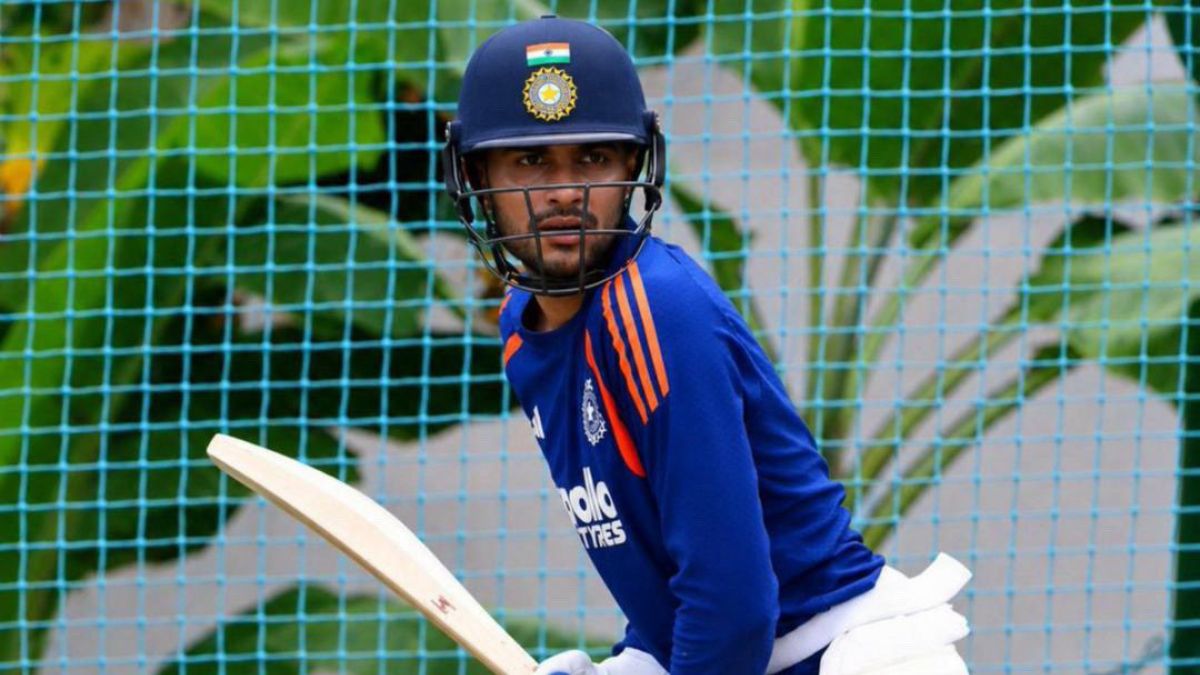
Shubman Gill in support of the triangular tournament
The rise of multi-team tournaments now makes perfect sense given the current climate around the fifty-over format. An entire generation has grown up watching far too many three- and five-match bilateral series that rarely provide much in the way of intrigue beyond World Cup Qualifier points.
Triangular tournaments offer immediate variety by forcing teams to immediately adapt to new conditions and opposition
They provide a tangible boost to the tournament’s profile with increased stakes and the narrative that comes from a points table that sees only one team leave at the end victorious, and they offer greater variety to the viewing public who can see completely different rivalries unfold across the course of the event.
The template has already been used with Pakistan hosting a three-team event featuring New Zealand and South Africa ahead of the 2025 Champions Trophy, with the logistical flexibility of the Future Tours Programme clearly open to more tournaments of this nature.
The problem with a full-scale revival is obvious; at present, the international fixture list is packed to the rafters, and shoehorning in more games can only be achieved by cutting into players’ domestic commitments.
By focusing on alternative forms of the game, rather than a rule change to make matches more attractive, Shubman Gill has managed to rally the support of the players and the ECB, with their clout in the international arena, to do just that.
Also read: Why Australia Are Looking Beyond Batting Averages: Andrew McDonald Explains a Changing Test Benchmark
50-over cricket was never likely to go away, but it has had its enthusiasts try to kill it in the crib. Now, with a star player promoting it and the ECB prepared to experiment, the form of cricket played in the World Cups may soon regain its appeal.
ODI cricket
triangular series
quadrangular series
Shubman Gill ODI
India ODI captain
ODI cricket revival
50-over cricket
bilateral ODI series
ODI format
England and Wales Cricket Board